In one of the most heartbreaking finishes to a postseason series in baseball history, the Philadelphia Phillies were eliminated from the playoffs on Thursday after a bizarre error by 24-year-old reliever Orion Kerkering, who had entered the game just one batter earlier in the bottom of the 11th inning.
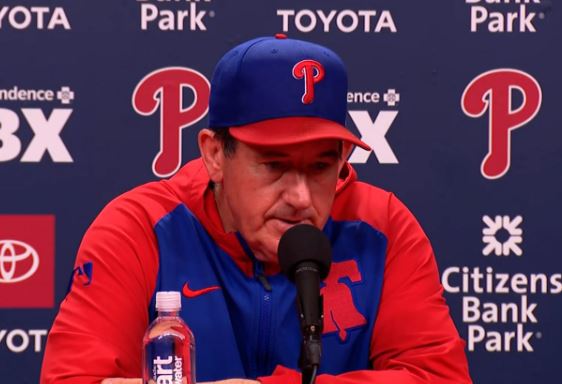
Yet the question remains — was it the third-year pitcher’s blunder that sent the Los Angeles Dodgers to their second straight National League Championship Series, and seventh in the last ten years? Or did the Phillies’ collapse trace back to a highly questionable decision made moments earlier by fourth-year manager Rob Thomson?
Kerkering came in to relieve seven-year veteran Jesús Luzardo, who had already recorded two outs in the 11th of a 1–1 game. Luzardo, a left-hander, had given up two singles that inning, and Thomson brought him in specifically to face Enrique “Kiké” Hernández.
After Max Muncy, who had the second hit off Luzardo, advanced to second on defensive indifference, Kerkering worked a full count against Hernández before missing low and away to load the bases.
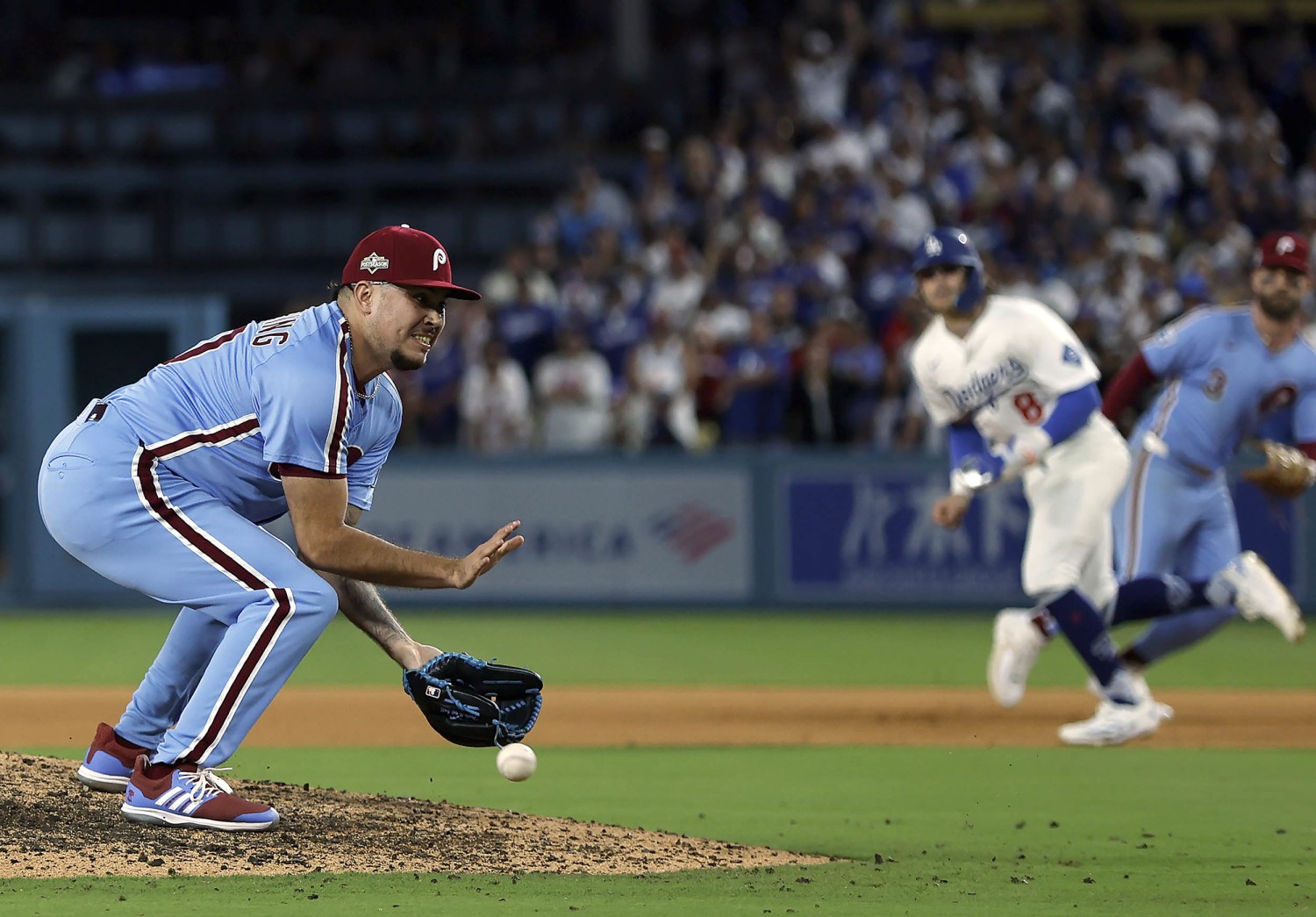
Still, Kerkering had a chance to escape the jam when Andy Pages hit a slow grounder back to the mound — a play that briefly seemed destined to end the inning.
Phillies Pitcher Experiences Brutal Meltdown
Unfortunately for Kerkering and the Phillies, that’s when everything unraveled.
Kerkering first bobbled the soft grounder, though he still had enough time to get the out at first. Instead, the young reliever made a costly mental mistake — choosing to throw home.
His throw was not only too late to stop Hyeseong Kim from scoring the walk-off run, but it also sailed wide of catcher J.T. Realmuto.
Just like that, the game — and a Phillies season that had seen them win 96 games, second only to the Milwaukee Brewers’ 97 — came to a crushing end.
But the question lingered: why was Kerkering even in that situation?
Luzardo had thrown 30 pitches, 21 of them for strikes, and was just one out away from escaping the inning. The 28-year-old, making a rare appearance out of the bullpen, had been one of Philadelphia’s most dependable starters throughout the season and clearly brought far more experience than the much younger Kerkering.
Luzardo had pitched in four prior postseason series — three with the Oakland Athletics and one with the Miami Marlins — and though his overall results weren’t stellar (a 4.84 ERA and an 0–4 record, including this postseason), he was at least familiar with the stage. Kerkering, meanwhile, admitted afterward that the moment got the better of him, saying, “that pressure got to me.”

Thomson Gives Rationale for Fateful Decision

So, what was Thomson’s reason for removing Luzardo?
“Just with the two righties, and (Luzardo) had 30 pitches against him with three days off. “I didn’t want to push him too far,” Thomson told The Sporting News. “Going into the game, I considered just one inning for him, because it’s kind of his off day. But he was so effective the first time, we decided to bring him back out for a second.”
Whether Thomson’s reasoning for not allowing Luzardo to finish that second inning of work holds up is something Phillies fans and media will debate until March 26, when Philadelphia opens its next season for the third World Series in franchise history — a history that dates back to 1883, just seven years after the National League’s inception — at home against the Texas Rangers.