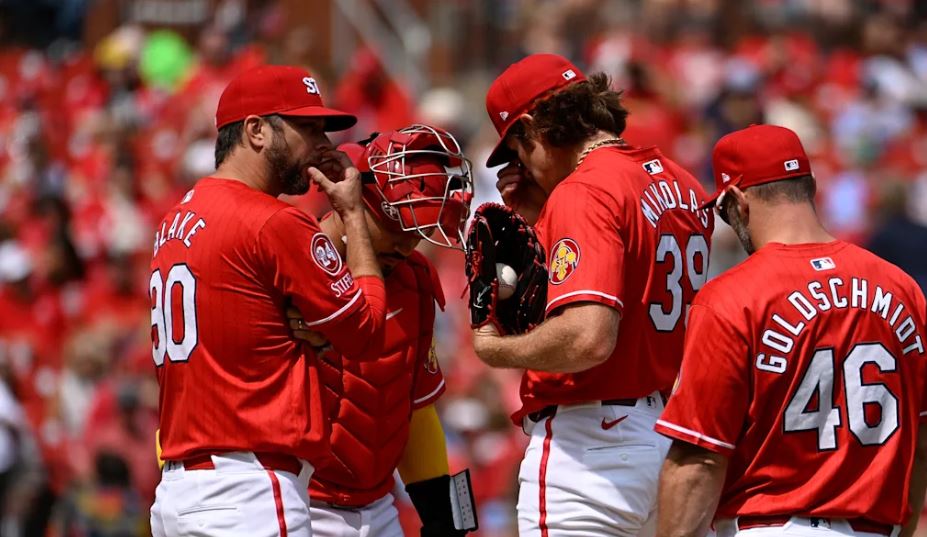
When the St. Louis Cardinals selected Luke Weaver in the first round of the 2014 MLB Draft, they envisioned him as Adam Wainwright’s natural successor as the ace of the starting rotation.
That strategy failed, as Weaver never lived up to his ranking as a Top 100 prospect in St. Louis. He spent three seasons with the Cardinals before being included in the Paul Goldschmidt deal. He subsequently bounced throughout the league, attempting to establish himself as a starter, but it wasn’t until the New York Yankees switched him to a reliever in 2024 that he became as the high-quality arm many expected.
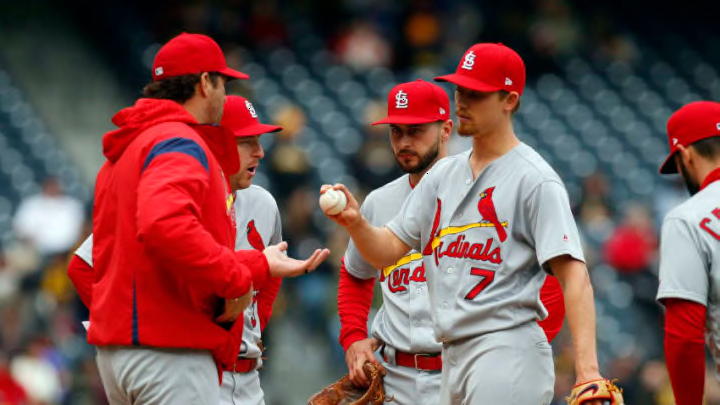
After two seasons of dominating out of the bullpen in the Bronx, Weaver is about to become a free agent, and he should be well compensated for his efforts as a reliever. However, as a 32-year-old who battled down the stretch in 2025, he could be compelled to accept a short-term contract.
If that happens, Jim Bowden of The Athletic believes Weaver would be a nice match as the Cardinals’ closer as they rebuild.

Weaver, like Kyle Finnegan and Brad Keller, two other free-agent relievers signed by Bowden, appears to be a sign-and-flip candidate if the Cardinals are seeking for a short-term senior replacement for Ryan Helsley.
He has a 3.21 ERA in 126 appearances over the last two seasons, including 12 saves. He’s earned 2.7 WAR in that time while striking out 29.5% of opposing batters.
His problem is that he had a 4.40 ERA in the second half of last season, which coincided with an increase in his walk rate and line-drive allowed rate.
However, there should be no concerns that his stuff has dropped off a cliff; his chase (32.8%) and whiff rates (31.0%) remain exceptional in 2025.
If the decline in productivity affects his market (Bowden predicts a two-year, $20 million contract for Weaver), the Cardinals should not hesitate to call him. There is no one on the roster who has proven themselves worthy of the closer position in the second half, and Weaver’s experience in that capacity (he had four saves in the postseason in 2024) would benefit the Cardinals greatly.
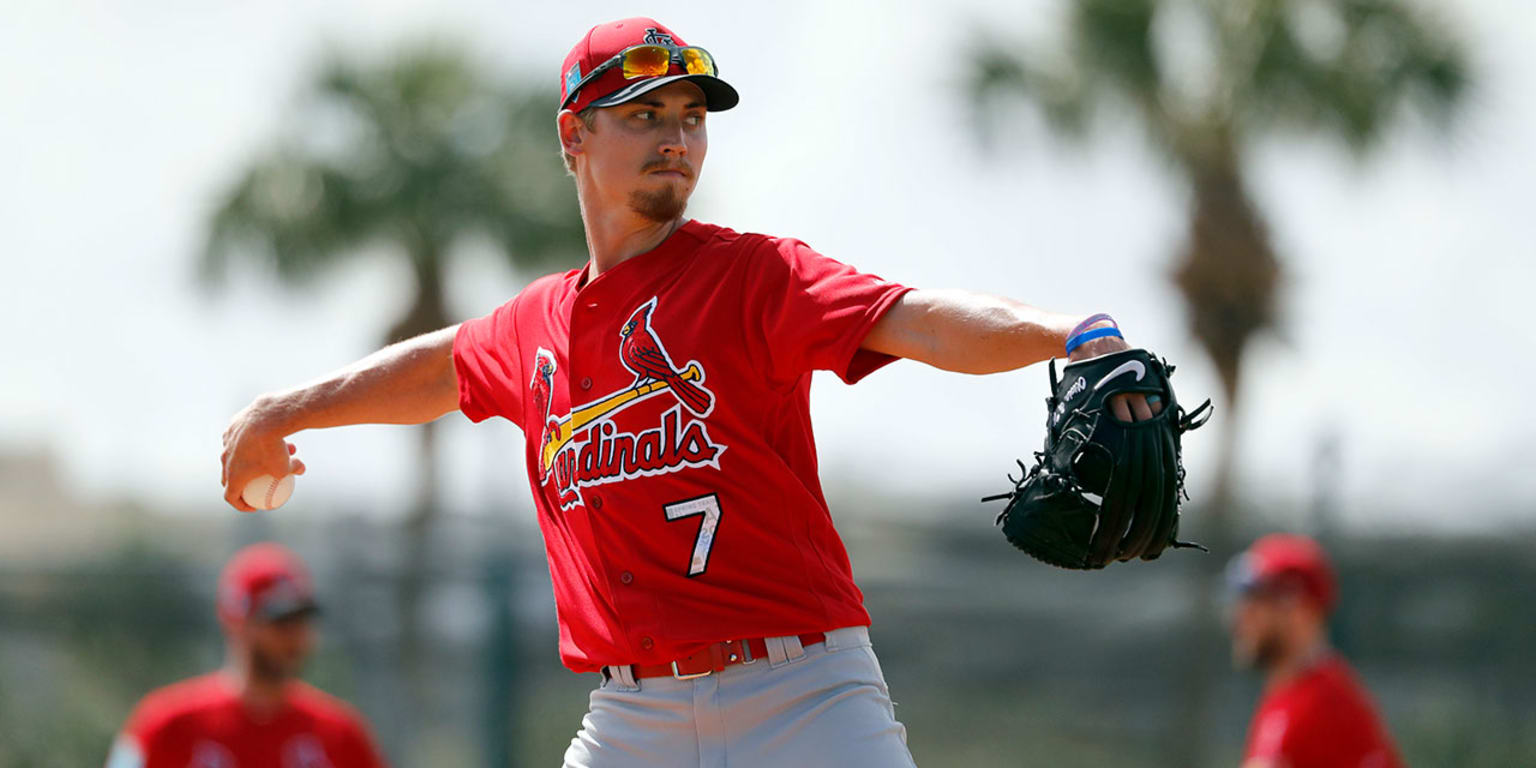
Returning to St. Louis would also provide an opportunity for redemption for the now-veteran pitcher, who failed to live up to the fanfare in the early stages of his career. He might be Oli Marmol’s top fireman during the team’s impending reconstruction, or he could emerge as a valuable trade piece that returns more prospect potential to the farm system.
In any case, as long as the money is available, St. Louis should seriously consider their 2014 first-round pick in free agency.