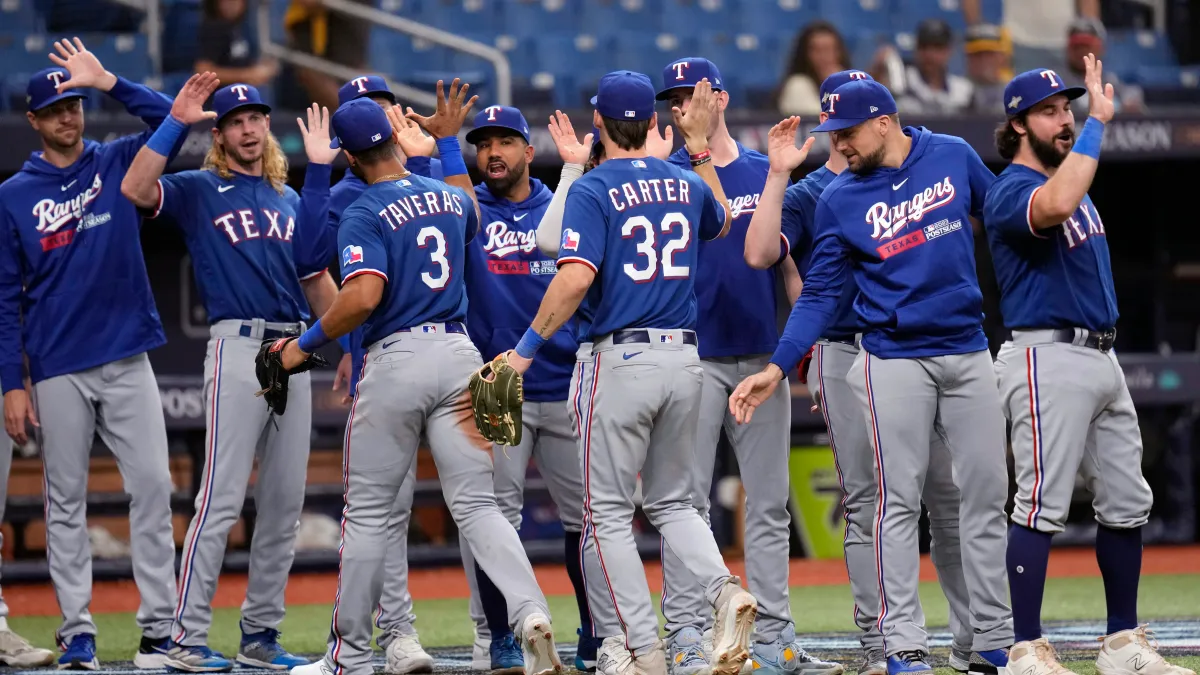
The team continue to feel the ripple effects of a complicated offseason, one marked by aggressive trade conversations but repeated misses on top-tier free agents. While the organization remains confident it can compete in the American League, the roster still shows clear areas of vulnerability particularly in the bullpen where familiar faces are now finding opportunities elsewhere.
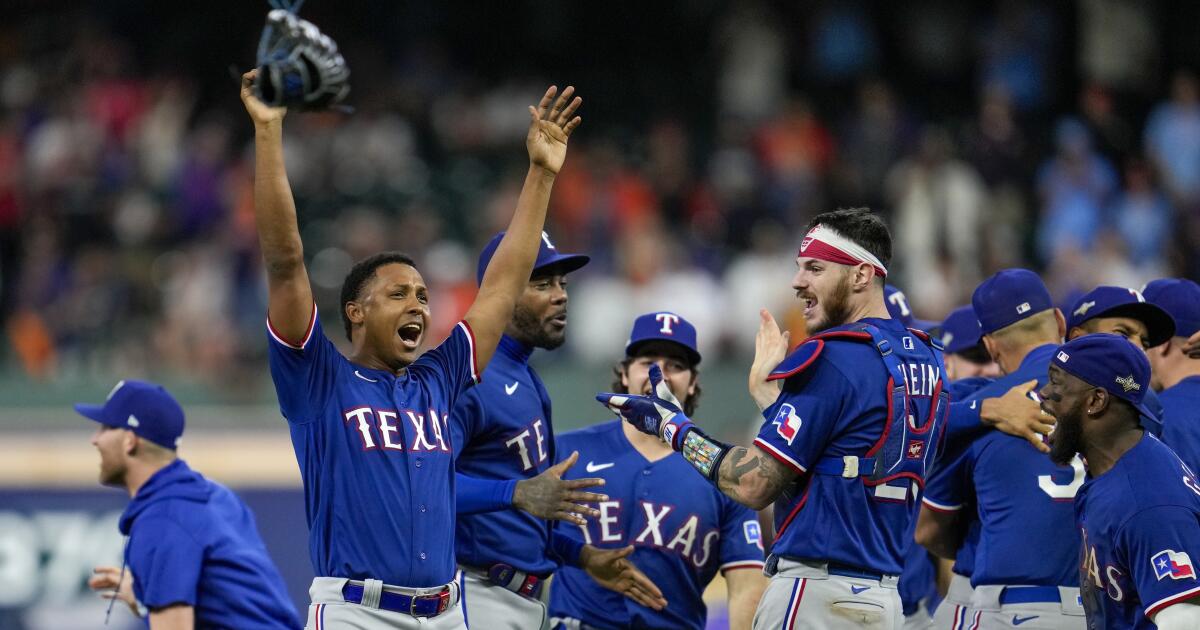
One of those familiar names is Ryan Brasier, a pivotal reliever from Boston’s dominant 2018 World Series team. After spending the 2025 season with the Chicago Cubs in a limited role, Brasier has agreed to a deal with the Texas Rangers, returning to his home state and the organization he grew up rooting for. The agreement is reportedly a minor-league contract, giving the veteran a chance to earn a bullpen spot during spring training.
Brasier’s career path has never followed a straight line. He made a brief major league debut with the Los Angeles Angels in 2013 before disappearing from the MLB landscape for several years. That all changed in 2018, when he resurfaced with the Red Sox and quickly became one of manager Alex Cora’s most trusted late-inning arms during Boston’s championship run.
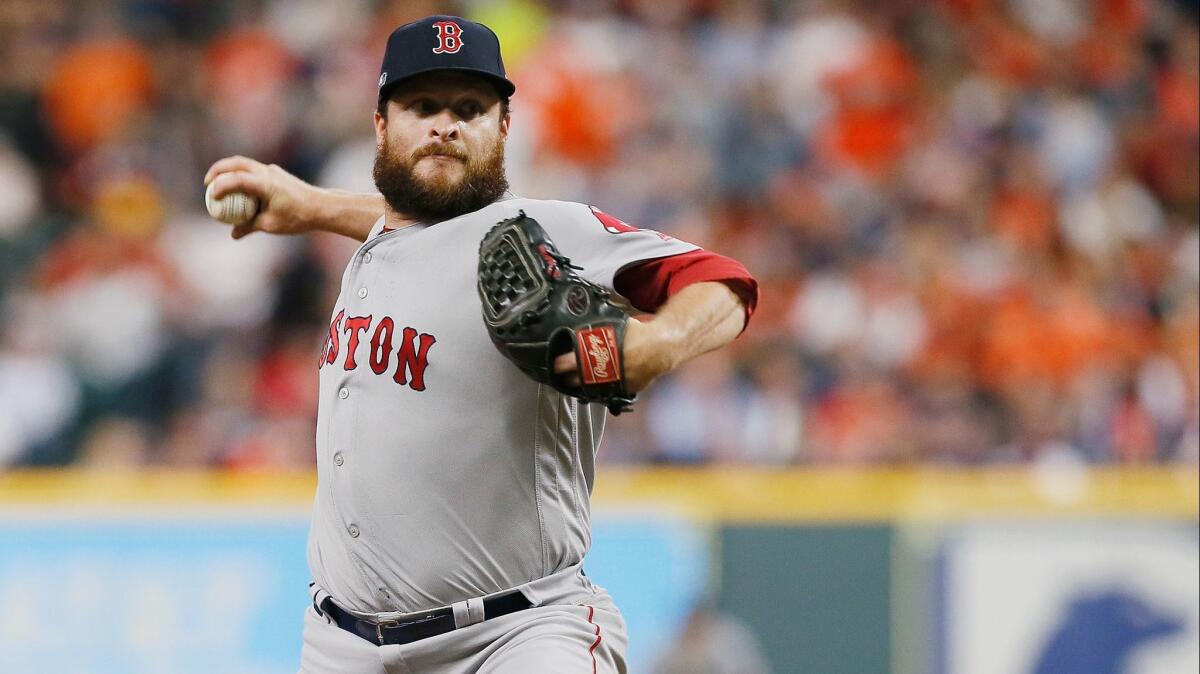
That season remains the high point of Brasier’s career. He posted a 1.60 ERA across 34 regular-season appearances, frequently entering games in high-leverage situations. His dominance carried into the postseason, where he delivered a 1.04 ERA in nine appearances and played a key role in helping Boston capture its most recent World Series title.
Since then, consistency has been harder to find. Brasier went on to win another championship with the Los Angeles Dodgers in 2024, but his overall performance has fluctuated. In 2025 with the Cubs, he logged just 26 innings, finishing with a 4.50 ERA despite posting a more encouraging 3.17 FIP, suggesting his underlying metrics were stronger than the surface results.
Now 37, Brasier will look to leverage his experience and postseason pedigree in Texas. When his command is sharp, he remains capable of overpowering hitters, but control issues have limited his ability to lock down a permanent high-leverage role in recent seasons. The Rangers will give him the opportunity to prove he still has value in late innings, especially as bullpen depth becomes increasingly important over a long season.
For Boston, Brasier’s move underscores lingering questions about roster construction. The Red Sox could still benefit from additional bullpen help—particularly a reliable left-handed reliever—and may need to rebalance a roster heavy on outfield talent to address infield needs. With spring training approaching and little indication of further major additions, the departure of a former postseason hero serves as another reminder of just how much has changed since the glory of 2018.