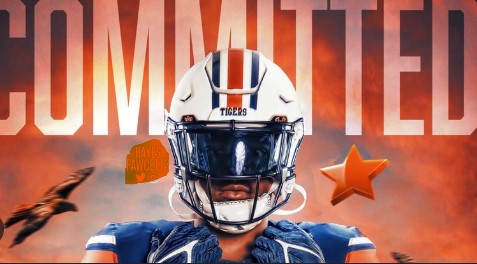
Former Auburn Tigers quarterback transferred to the UNLV Rebels to play for Dan Mullen in January, following a disappointing one-year run on the Plains and an underwhelming two-season stretch with the Oklahoma Sooners.
According to CBS Sports reporter Shehan Jeyarajah, he highlighted Mullen’s impact on former Virginia Cavaliers quarterback Anthony Colandrea, who enjoyed a breakout season in Las Vegas, improving by more than 1,300 passing yards and 10 touchdowns under Mullen’s guidance.
“Three years ago, Jackson Arnold was rated the No. 1 recruit in Texas. Now, he’s set to move on to his third school. However, Arnold made a wise choice by teaming up with quarterback whisperer Dan Mullen, who has a history of getting the most out of his signal-callers. Mullen helped turn Anthony Colandrea into one of the Mountain West’s top quarterbacks, and Arnold will fit right in,” Jeyarajah wrote.
Arnold was once a standout at Denton Guyer in the Dallas-Fort Worth Metroplex, and a strong season with UNLV could help reshape the narrative that followed him after his stops at Auburn and Oklahoma.

As a dual-threat quarterback who previously excelled both through the air and on the ground, Arnold may find the competition in the Mountain West more manageable than what he faced in the SEC. Early in 2025, particularly against the Baylor Bears, he flashed his mobility, though he struggled to consistently capitalize on elite receiving talent for reasons not entirely within his control.
With a revamped offensive line and Mullen’s track record of developing quarterbacks such as Dak Prescott and Alex Smith, along with mentoring Tim Tebow during his Heisman campaign, UNLV could provide Arnold a platform to reestablish himself as a legitimate NFL Draft prospect, especially with a strong showing at the NFL Combine.
Auburn didn’t give Jackson Arnold enough to succeed
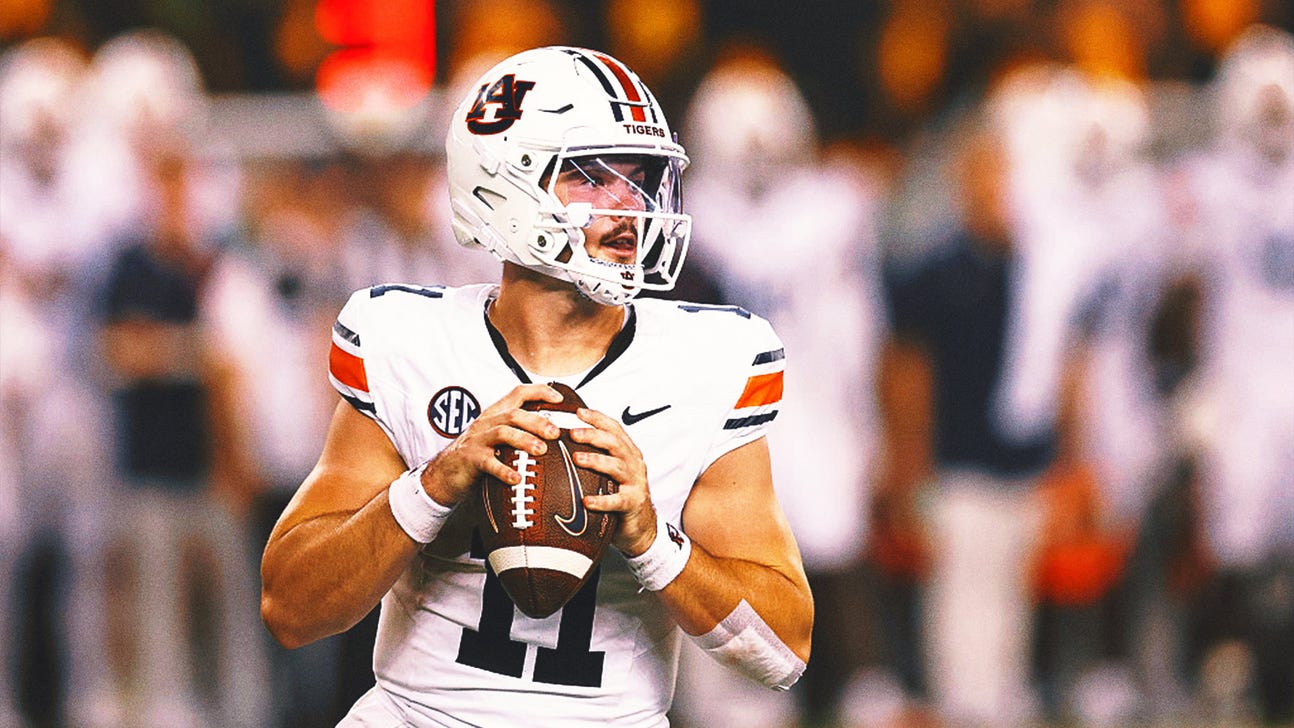
Head coach Hugh Freeze made bold promises but ultimately surrounded Arnold with a mixed supporting cast: talented yet inconsistent receivers, a running back group hampered by injuries, and an offensive line ill-equipped for the rigors of SEC play.
In truth, the situation in East Central Alabama appeared untenable not just for Arnold, but arguably for any quarterback. The locker room culture also suffered, as some of the team’s highest-paid players failed to set the tone in practice, relying on raw talent rather than consistent effort.