Kodi Burns is returning to the Plains after agreeing to join the first coaching staff assembled by Alex Golesh for the Auburn Tigers football ahead of the 2026 college football season. In many ways, his comeback feels fitting — almost like the lyrics from Mase’s “Welcome Back,” because for many Auburn fans, the program hasn’t quite felt the same since the former Gus Malzahn assistant left.
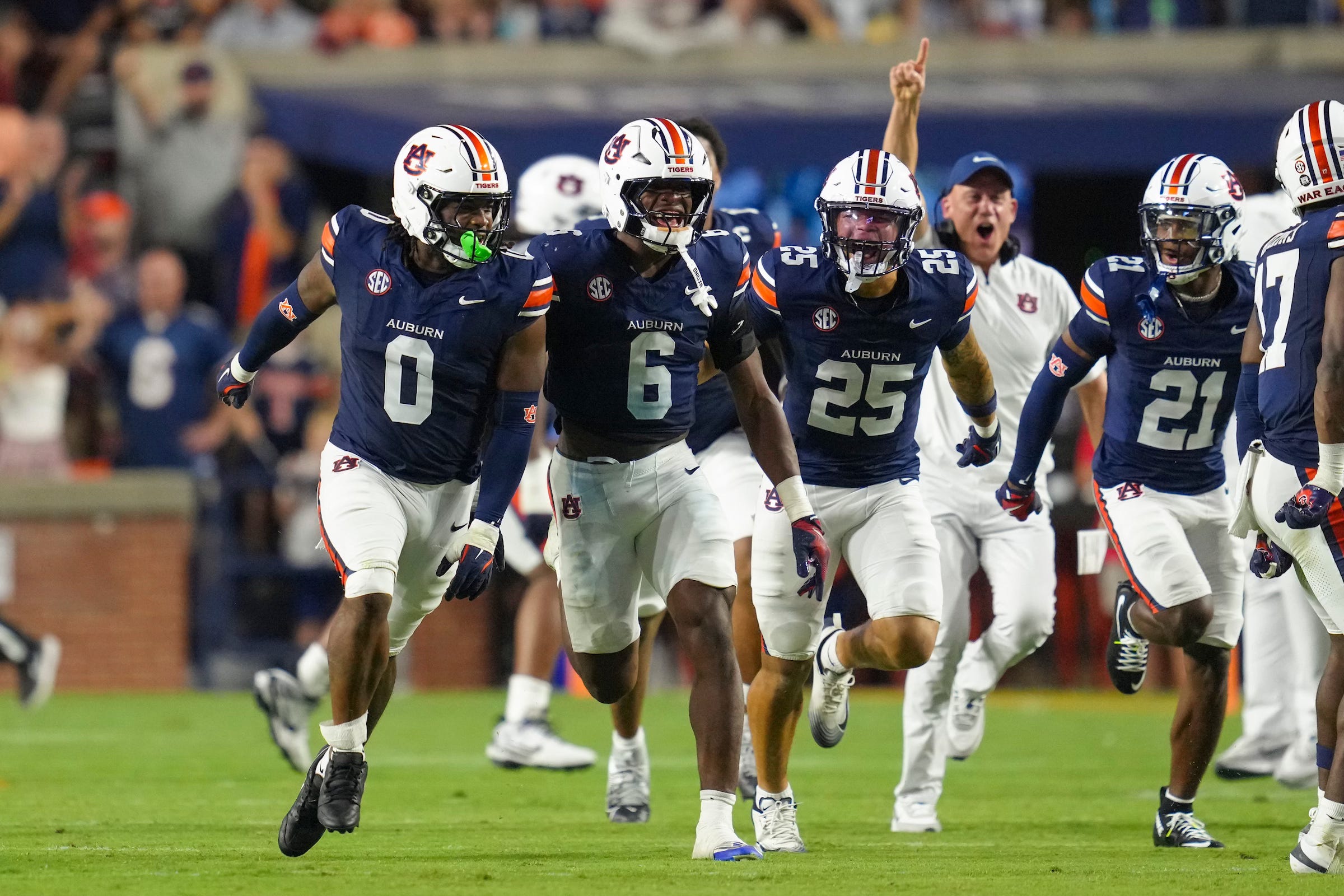
Over the past several seasons, Auburn football has gone through major changes under the leadership of Bryan Harsin and Hugh Freeze. The program has struggled to find the same identity and success it once had during earlier years, leaving fans longing for the stability and competitiveness that defined previous eras.
Burns departed Auburn in 2021 to join the coaching staff of the Tennessee Volunteers football, where he worked alongside Golesh, who was serving as offensive coordinator at the time. After that stop, Burns spent three seasons in the NFL with the New Orleans Saints under head coach Dennis Allen. He later reunited with Golesh in 2025 while coaching with the South Florida Bulls football. Now, the two are once again teaming up as they begin a new chapter together in Lee County.
For Auburn supporters, Burns’ return brings plenty of reasons for excitement.
One of the biggest advantages is his familiarity with both Golesh and the Auburn program. His background with the Tigers and experience working alongside Golesh should help ease the transition for the new head coach as he settles into life at Auburn. Burns has already been viewed as a valuable resource for Golesh and other members of the staff who are new to the program.

Burns is also expected to make a major impact on the recruiting trail. As a former Auburn player who caught passes from Cam Newton during the Tigers’ 2010 national championship season, he knows exactly what the program represents. His personal success at Auburn gives him credibility when pitching the program to recruits. In addition to his playing career, Burns also served as a graduate assistant during the Tigers’ 2013 season, meaning he has experience reaching the national title game from both the player and coaching perspectives. During his earlier coaching stint under Malzahn, Auburn consistently remained competitive on the national stage.
Beyond strategy and recruiting, Burns’ return also carries emotional significance for the fan base. For many supporters, he represents a connection to a more successful era of Auburn football. From 2016 to 2020, when Burns was a key member of the staff, the Tigers were a strong and competitive program in the modern college football landscape. Seeing a familiar face from those years return to the sidelines offers fans a sense of nostalgia — and perhaps hope that better days could be ahead once again.