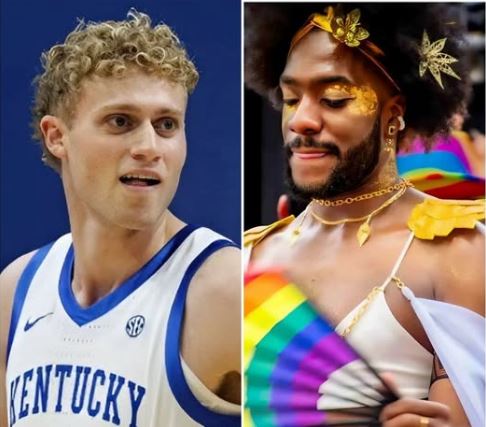
Rising basketball star Collin Chandler has become the center of a heated public discussion after reports emerged that he declined to wear a rainbow-themed game uniform meant to honor and support the LGBTQ community.
The story quickly went viral across sports media and social platforms, sparking debates about personal beliefs, athlete responsibility, and the increasing intersection of sports and social issues.
Chandler, a highly regarded young guard celebrated for his skill, athleticism, and leadership on the court, has drawn national attention as one of the most promising talents of his generation. With scouts and fans closely monitoring his performances, his actions off the court are also under scrutiny.
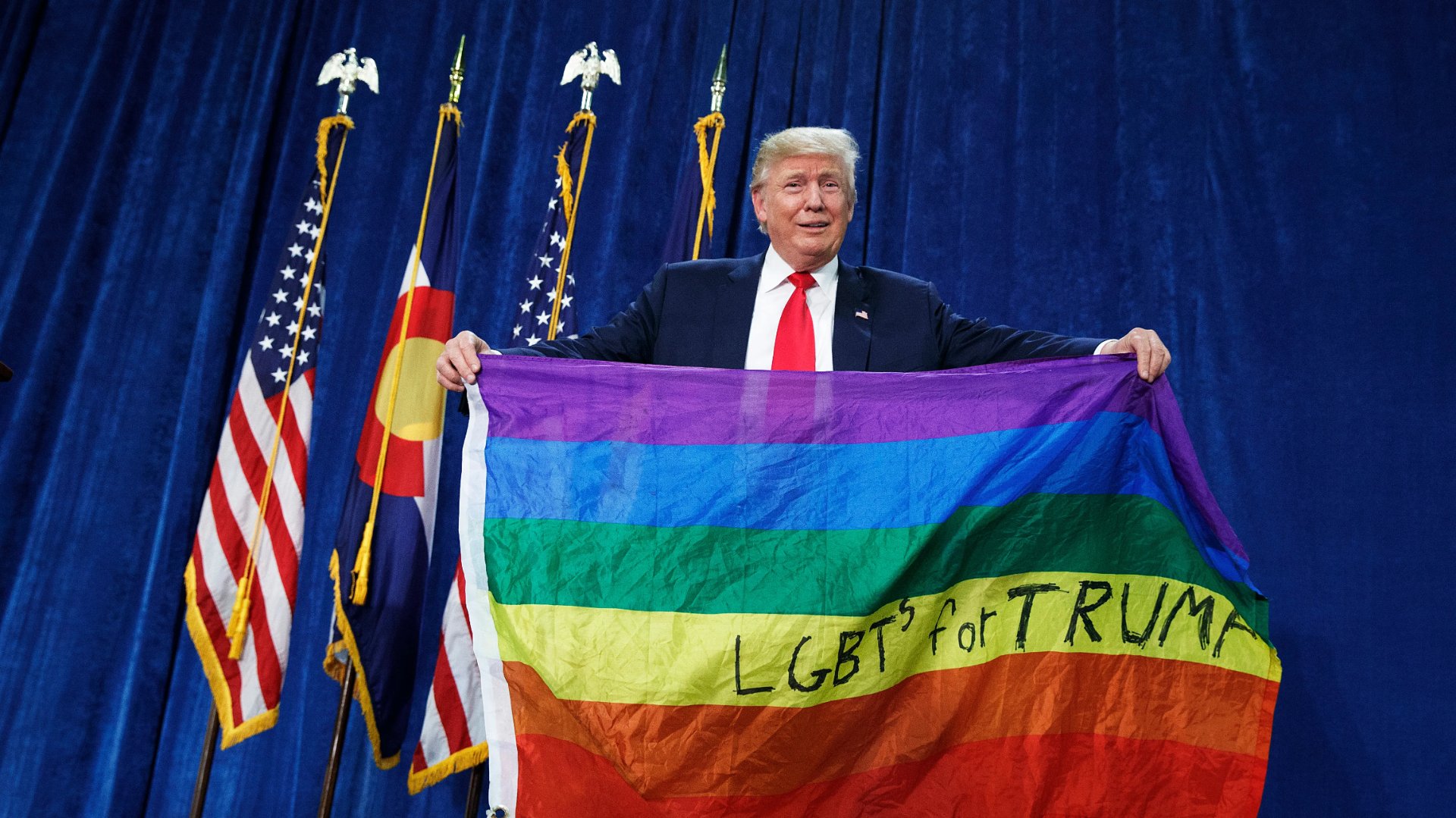
The controversy began when online discussions suggested Chandler opted out of a team initiative involving rainbow-themed uniforms, intended to symbolize support for diversity and inclusion, particularly for LGBTQ members. Over the past decade, sports organizations at all levels—from professional leagues to college and high school programs—have launched campaigns promoting equality and inclusivity. These initiatives often include themed uniforms, warm-up apparel, or symbolic colors to send a message of acceptance. Many athletes have embraced such campaigns as opportunities to highlight unity and respect across communities.
Supporters argue that when athletes participate in these initiatives, it sends a powerful message that resonates beyond the arena. However, participation is not always universal. Reports indicate Chandler declined the rainbow-themed jersey because he believed it conflicted with his personal values. Statements circulating online reportedly quote him saying:
“No amount of fame or sponsorships will ever make me betray my values. This is my stance, and I won’t back down.”
The comments triggered immediate reactions from fans and commentators, dividing opinions across social media. Some praised Chandler for demonstrating personal integrity and the courage to stand by his convictions, arguing athletes shouldn’t be compelled to join symbolic initiatives that contradict their beliefs.
Others criticized the decision, emphasizing that athletes with large public platforms have the opportunity to promote inclusion and acceptance. Advocates for LGBTQ representation in sports say visible support from athletes can have a meaningful impact on fans who may feel marginalized.
Sports analysts note that controversies like this highlight the increasingly complex role athletes play in modern society. In an era of social media and constant coverage, even personal choices can quickly become national conversations.
Chandler has largely maintained a reputation focused on basketball rather than public debate. Known for his competitiveness, scoring ability, and strong work ethic, he has earned praise from coaches and scouts who see him as a player with significant potential. With his rising profile, any controversy involving Chandler is likely to attract widespread attention.
At present, neither Chandler’s representatives nor the team involved have released official statements clarifying the situation. Much of the surrounding discussion has been driven by speculation and public reaction.
For many fans, however, the primary focus remains Chandler’s future on the court. Supporters are eager to see his career continue to develop, believing his talent and potential could make him a major figure in the sport in the coming years.
This episode also underscores a broader trend: over the past decade, athletes increasingly use their platforms to advocate for causes ranging from racial justice to mental health awareness, while others choose not to participate in certain campaigns due to personal beliefs. Such moments often ignite passionate discussion among fans, reflecting the wide range of perspectives within the sports community.
Whether the debate surrounding Chandler will fade quickly or continue to attract attention is uncertain and may depend on future statements from him, his representatives, or the organizations involved. What is clear is that the modern sports landscape now extends far beyond the game itself.
As Chandler’s basketball career unfolds, his on-court performance will remain central, but moments like this illustrate how athletes today frequently find themselves at the intersection of competition, identity, personal belief, and public influence.