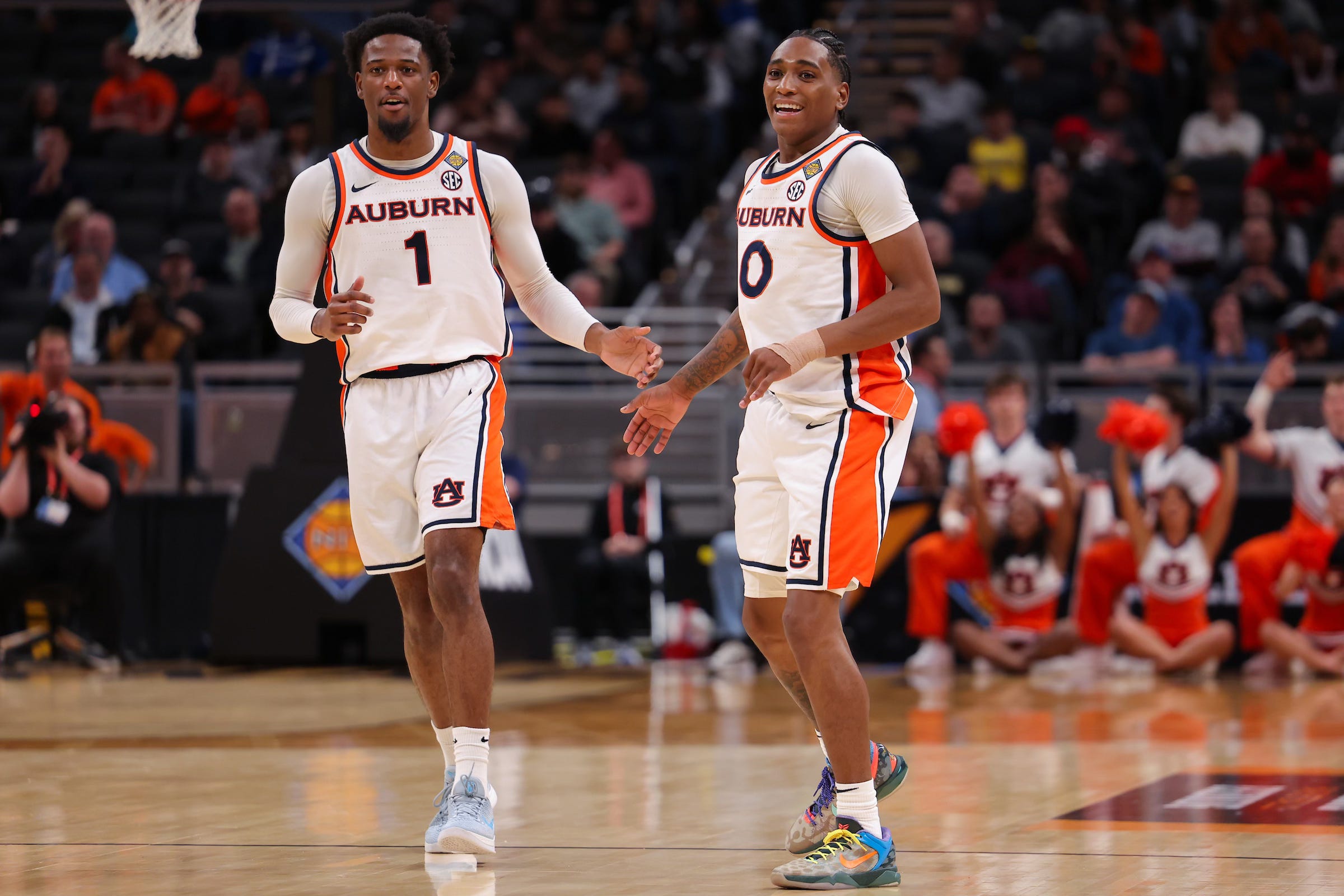
Auburn’s offseason momentum continued to build this week after another important roster decision gave the program added stability heading into the 2026–27 college basketball season. At a time when many programs across the SEC are still battling transfer portal uncertainty, Auburn has now secured another returning contributor whose decision immediately strengthens the Tigers’ depth, athletic profile, and internal continuity. With multiple roster questions still surrounding next season’s rotation, this latest announcement gives Bruce Pearl another proven option to build around as expectations begin rising again on the Plains.
The return carries added importance because Auburn’s staff has been working to preserve a competitive core while balancing portal additions and player development. Veteran leadership remains valuable, but Auburn also knows that keeping younger contributors with upward trajectory may be just as important for long-term success. The Tigers relied heavily last season on players who could defend multiple positions, rebound outside their natural role, and provide scoring without disrupting offensive rhythm. That is exactly why this latest decision is being viewed internally as another major offseason win rather than a routine eligibility update.
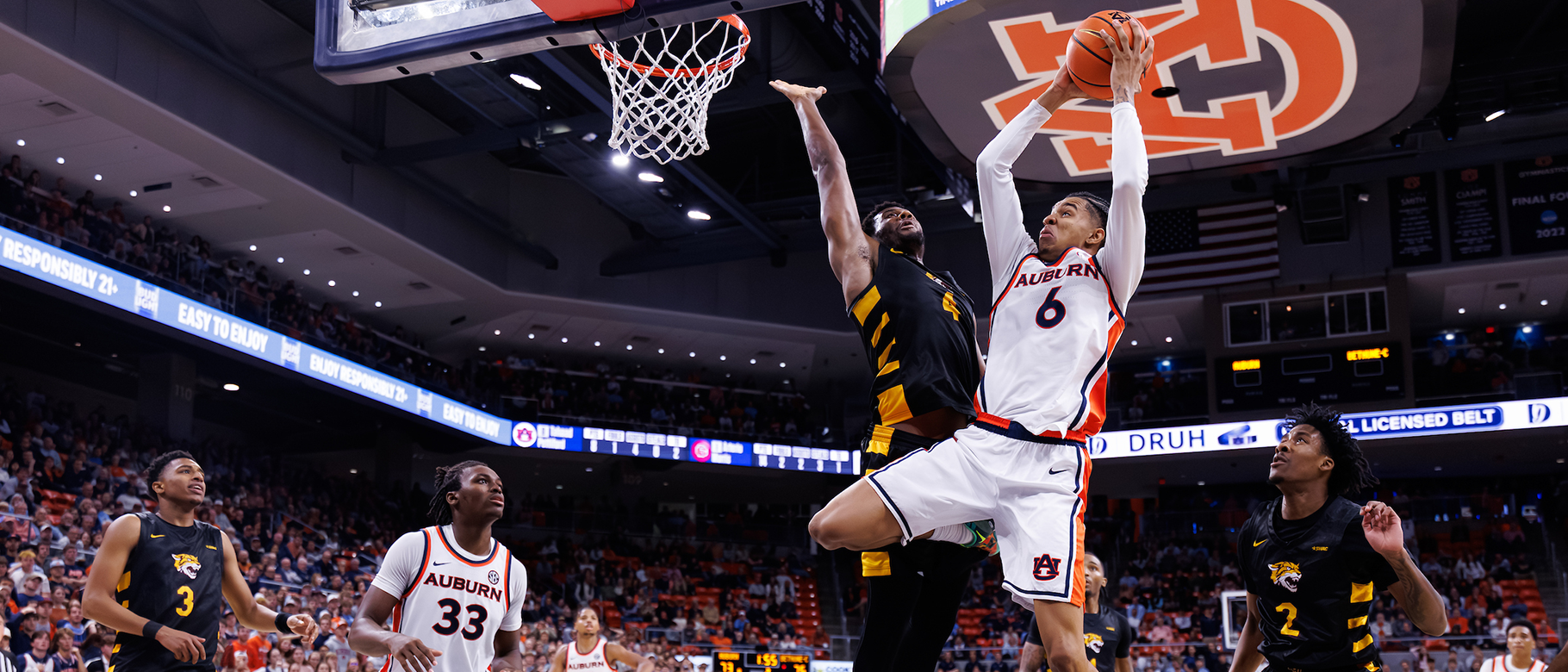
The player delivering that boost is Elyjah Freeman, who made his intentions clear when asked about next season by delivering the simple two-word message: “Locked in.” Those words quickly spread across Auburn circles because they ended immediate speculation about whether he could explore other options after a productive year in the Tigers’ rotation. Freeman averaged 9.2 points, 5.2 rebounds, 1.2 assists, and 1.3 steals last season, numbers that reflected how much trust he had already earned within Auburn’s system despite still developing into a larger offensive role.
Freeman’s impact often extended beyond the box score because his length, energy, and defensive range allowed Auburn to stay flexible against different matchups throughout the season. At key moments, he became one of Auburn’s most active rebounders from the wing while also helping disrupt opposing guards and forwards with his anticipation on passing lanes. Coaches consistently valued his ability to contribute in stretches where the Tigers needed activity rather than volume scoring, and his offensive confidence gradually improved as the season progressed. That development is one reason Auburn believes his ceiling remains significantly higher entering another year in the program.

His return also helps Auburn avoid placing too much pressure on incoming players to immediately handle major responsibilities. In a conference where physicality and experience often decide difficult winter games, having another proven rotation piece back gives Auburn more lineup flexibility before the season even begins. Bruce Pearl now has another athlete who understands defensive assignments, transition pace, and the demands of SEC-level possessions, all of which matter when building early-season chemistry. Freeman’s return effectively gives Auburn another player who can be trusted in both structured half-court moments and open-floor situations.
For Auburn supporters, the announcement adds to a growing belief that next season’s roster could retain more continuity than initially expected. With multiple return decisions now moving in Auburn’s favor, the program is beginning to look less like a team facing roster uncertainty and more like one assembling another serious SEC challenge. Freeman’s short statement may have been brief, but inside Auburn’s offseason picture it carried major weight, because every returning contributor reduces pressure elsewhere on the roster and strengthens the Tigers’ foundation for what comes next.