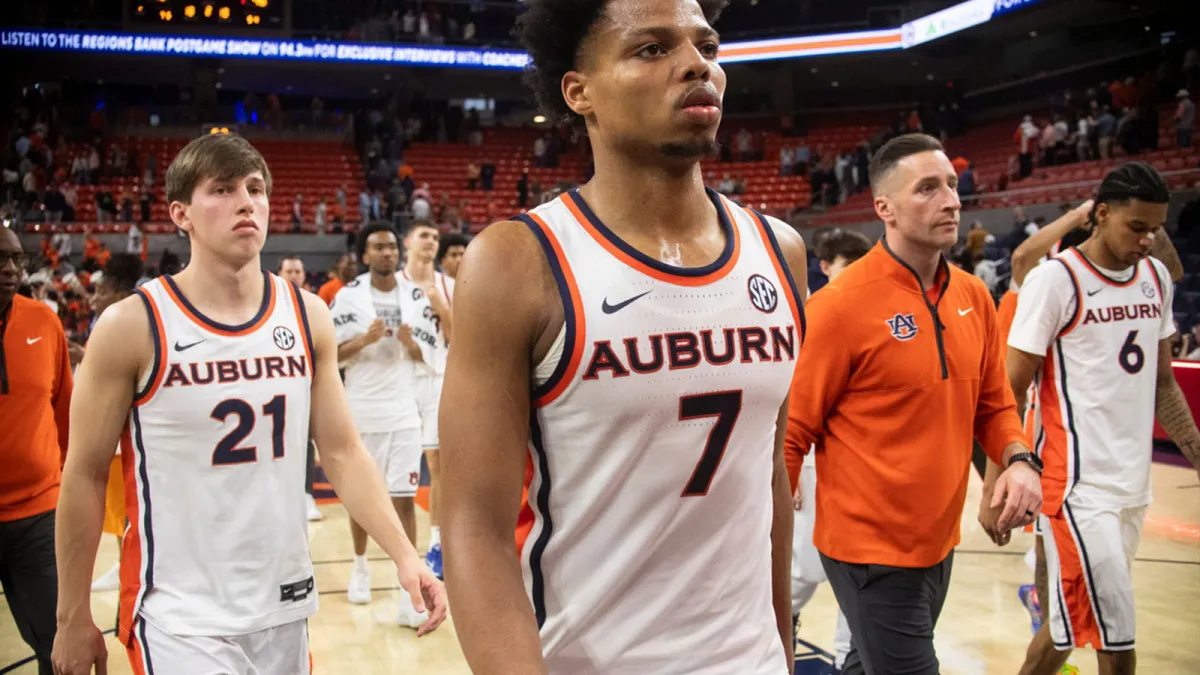
The offseason turbulence surrounding Auburn Tigers men’s basketball continues to build, as the program faces yet another significant roster development in the wake of its NIT Championship success. What initially looked like a momentum-filled spring for Auburn has quickly evolved into a period of transition, with departures beginning to reshape the roster. In today’s transfer portal era, even championship runs do not guarantee roster stability, and Auburn is now navigating the same wave of movement affecting top programs across the country. The latest decision underscores just how quickly things can change, even for teams coming off postseason success.

Auburn’s coaching staff, led by Bruce Pearl, has been preparing for a highly active offseason, knowing that roster construction now requires constant evaluation and adjustment. While the program has already been linked to multiple transfer targets and is reportedly willing to invest heavily in adding talent, outgoing moves like this highlight the delicate balance between retaining contributors and upgrading the roster. The Tigers are clearly aiming to build a team capable of returning to NCAA Tournament contention, but doing so means difficult roster turnover decisions are inevitable.
That reality became even more apparent when forward Filip Jović announced his intention to enter the NCAA transfer portal. His decision comes after a season in which he steadily carved out a role within Auburn’s rotation, particularly during the team’s late-season surge. Jović was not always the focal point offensively, but his ability to contribute in multiple areas made him a dependable option for the coaching staff when it mattered most.
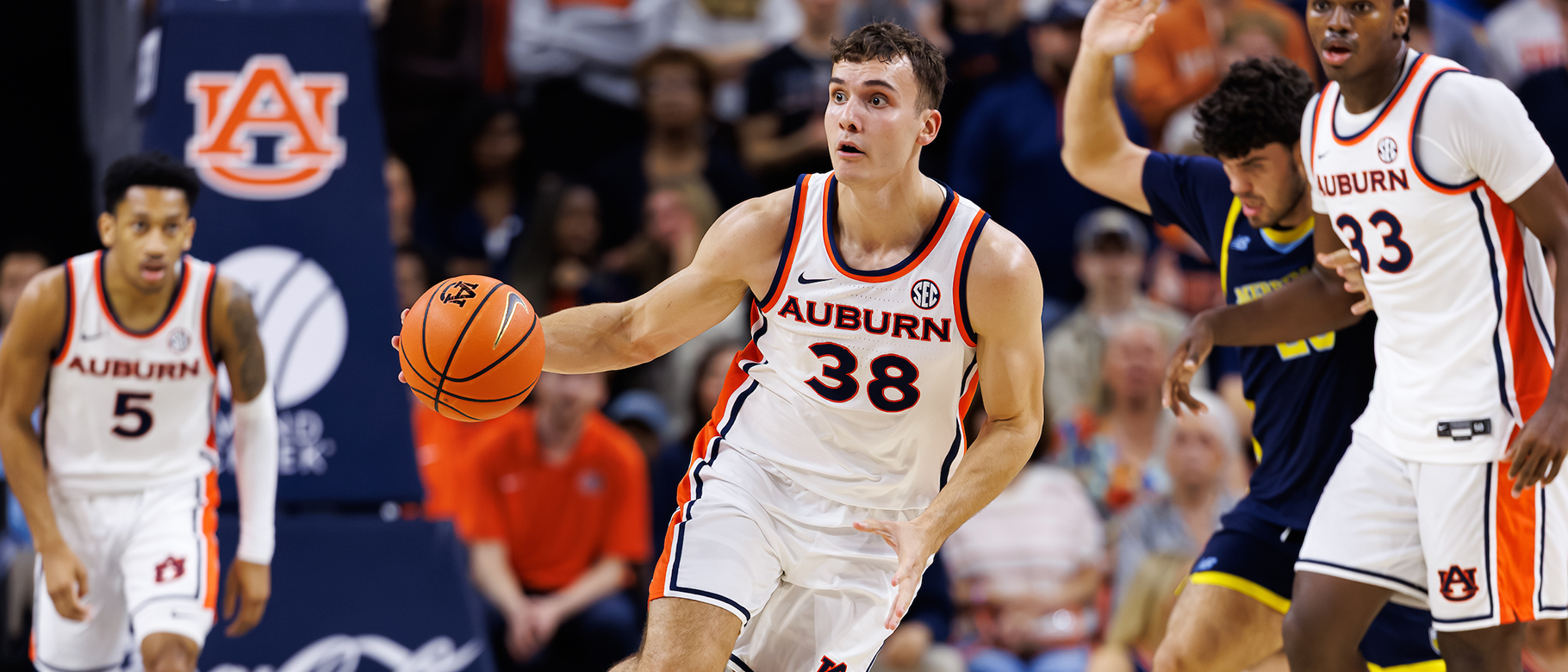
During the season, Jović averaged 5.9 points and 4.1 rebounds per game, numbers that only tell part of the story of his impact. As Auburn battled through its NIT run, he stepped into the starting lineup multiple times, providing energy, rebounding, and defensive versatility. His willingness to do the less glamorous work — contest shots, secure rebounds, and rotate defensively — allowed Auburn to maintain balance during high-pressure moments. Those contributions became especially valuable in tight games where effort and execution often determined the outcome.
Beyond his statistical production, Jović’s presence offered Auburn important frontcourt depth and lineup flexibility. His size and mobility allowed the Tigers to match up against different styles of opponents, whether facing physical interior teams or more perimeter-oriented lineups. Players like Jović often play a critical role in postseason success because they fill gaps that do not always appear on the stat sheet, making his departure one that could quietly impact Auburn’s rotation moving forward.

Now, attention shifts to how Auburn responds to this growing list of departures. With multiple roster spots opening and reports indicating the program could spend aggressively in the transfer portal, the Tigers are expected to pursue experienced replacements who can step in immediately. Jović’s exit is not just another name in the portal — it represents part of a broader transformation that Auburn is undergoing this offseason. As the weeks unfold, fans and analysts alike will be watching closely to see whether the Tigers can turn these departures into an opportunity to reload and build a roster capable of competing at the highest level once again.