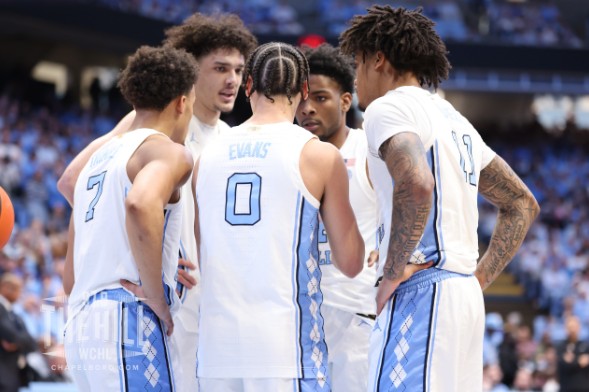
Roster decisions in college basketball often carry as much intrigue as the games themselves, especially in an era shaped heavily by transfer movement and coaching changes. Programs across the country have had to quickly adjust to shifting dynamics, and few situations highlight that better than what has unfolded in Chapel Hill this offseason. With leadership changes and uncertainty surrounding player roles, several members of the roster took time to evaluate their futures and consider new opportunities elsewhere.
For one experienced guard, the process became an opportunity for reflection rather than departure. After entering the transfer portal in the wake of the coaching transition, he took the necessary time to assess his options, weigh potential fits, and determine where he could best maximize his final year of eligibility. Ultimately, that journey led him right back to where it all started—choosing continuity, familiarity, and unfinished business over a fresh start.
The versatile backcourt piece has now made it official: he will return to Chapel Hill for his senior season.
While the transfer portal can sometimes create instability, it also gives student-athletes the freedom to explore their paths, especially when circumstances change. Following the dismissal of Hubert Davis, several players entered their names into the portal, including Jaydon Young, who understandably wanted to evaluate his fit under new head coach Michael Malone at University of North Carolina.
After going through that process, Young has decided to withdraw his name from the transfer portal, a move first reported by Joe Tipton. His decision confirms that he will remain with the Tar Heels for the 2026–2027 campaign.
During his first season in Chapel Hill, Young proved his versatility by contributing in multiple roles, primarily coming off the bench. At one point in the season, he earned four straight starts, though his overall playing time remained relatively steady. Compared to his previous stint at Virginia Tech, his statistical production dipped, but his value to the team extended beyond the box score.
Young carved out a role as a dependable contributor, often providing timely energy when the team needed it most. Whether stepping in during foul trouble or giving starters a break, he became a trusted option, particularly on the defensive end late in games.

With his return, Young becomes the second member of last season’s roster to confirm he’ll be back, joining Luka Bogavac. Meanwhile, other players such as Henri Veesaar and Jarin Stevenson have yet to announce their decisions.
Bringing back a player like Young is a meaningful step for Malone and the Tar Heels as they continue shaping next season’s roster. While he may not be the headline star, his experience, defensive presence, and willingness to embrace a supporting role make him a valuable piece moving forward.
In the end, while the portal offers new possibilities, it also reinforces an important truth: sometimes the best place to be is right where you started. For Young, Chapel Hill remains home—and his return could set the tone for others to follow.