In today’s college basketball landscape, roster movement has become almost expected. Between the transfer portal and rapidly growing NIL opportunities, players now have more freedom than ever to switch programs, reset their careers, or chase bigger financial packages elsewhere. Because of that, programs across the country are constantly fighting not just to recruit talent, but to actually keep it. Against that backdrop, any decision that goes against the trend instantly becomes a major talking point.
That is exactly what has happened surrounding the Auburn Tigers men’s basketball, where the offseason buzz has taken an unexpected turn. While most headlines in college basketball this time of year revolve around departures and recruiting battles, Auburn is now dealing with a very different kind of storyline—one centered around retention, loyalty, and a surprising commitment from one of its key young players.
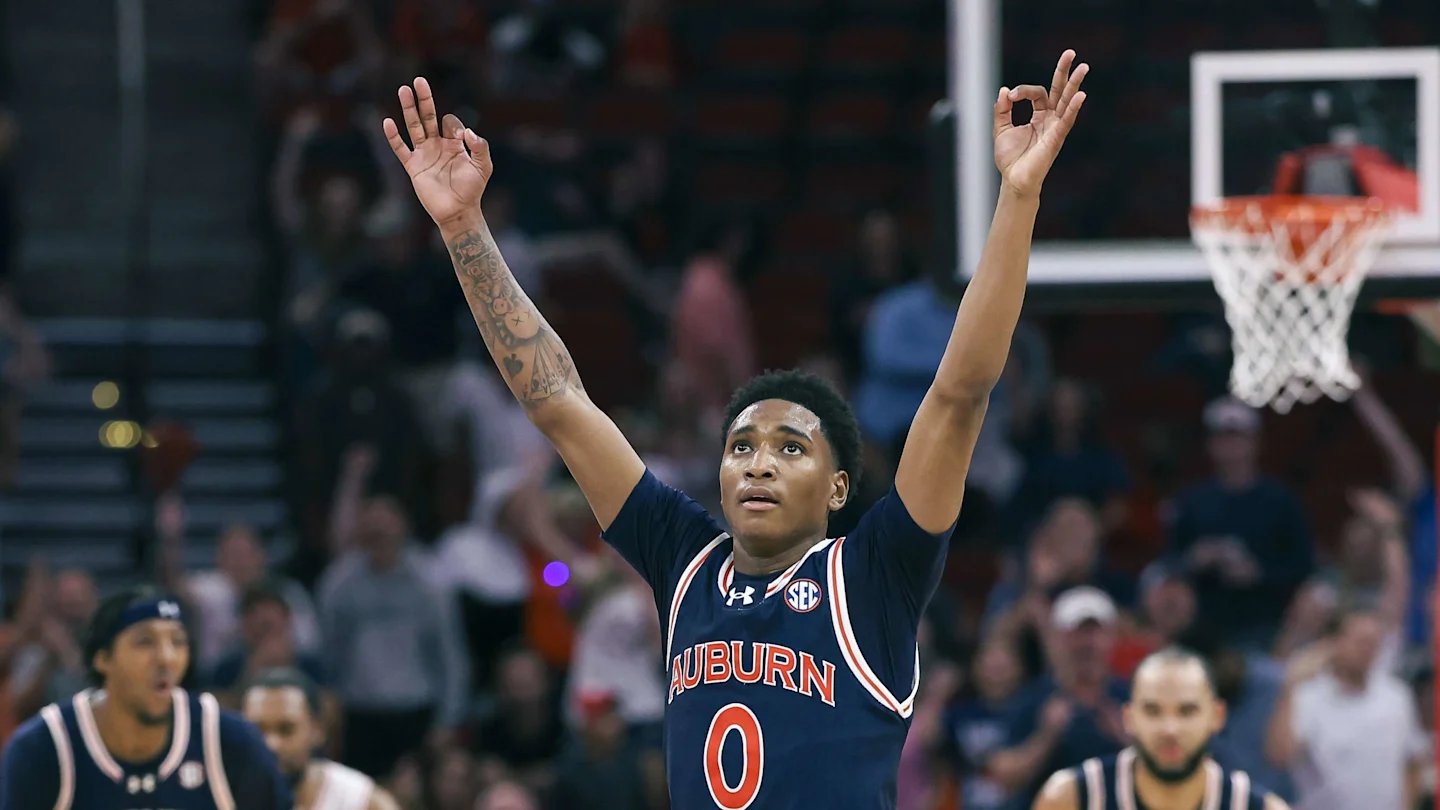
The situation reportedly began when Tahaad Pettiford started drawing significant interest from outside programs. In today’s environment, that alone is not unusual, as talented young guards are often targeted aggressively through the transfer portal and NIL-driven pitches. What made this case stand out, however, was the level of attention he received and the strength of the opportunities that were placed in front of him.
Pettiford, who has quickly become one of Auburn’s more dynamic backcourt pieces, was reportedly presented with NIL packages and transfer interest that could have easily changed his path. Known for his quick first step, scoring ability, and ability to create offense under pressure, he fits the profile of the kind of player programs try to build around in the modern game. Despite that, he ultimately chose not to explore a move away from Auburn.
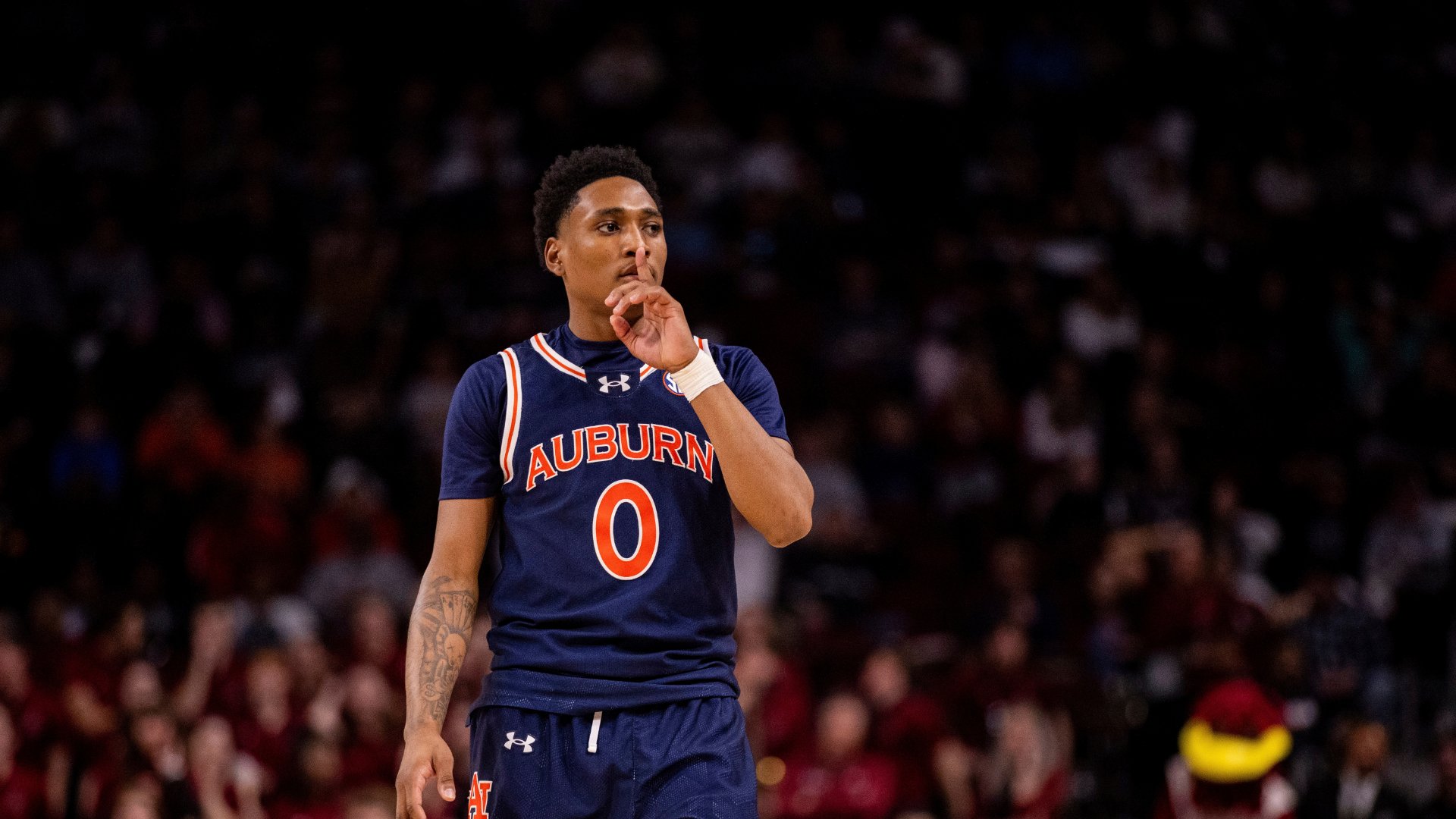
Instead, Pettiford reportedly made the decision to remain with the Tigers, turning down those external opportunities in favor of staying in the system he is already part of. Those close to the situation suggest his focus is on development, consistency, and continuing to grow within the structure of the program rather than resetting somewhere new. In an era where quick decisions for bigger deals are becoming more common, that choice immediately stood out.
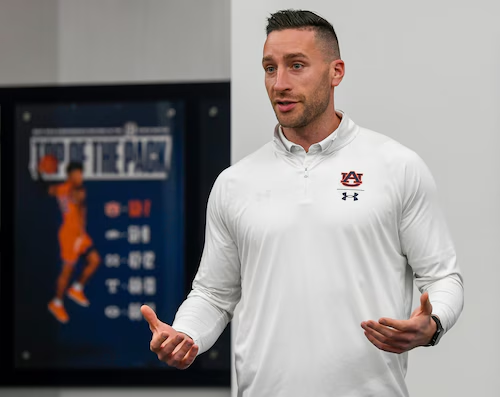
The impact of that decision was felt even more strongly internally when head coach Steven Pearl addressed the situation. Rather than treating it as just another roster update, Pearl reportedly used the moment to reinforce the foundation and direction of the program, emphasizing the importance of commitment and long-term belief in what Auburn is building.
His message, according to sources around the program, focused on unity and trust—highlighting that success is not built through constant turnover, but through players developing together and staying locked into a shared identity. In a time when NIL and transfers can easily disrupt continuity, that message carried even more weight inside the locker room.
For Auburn, Pettiford’s decision is being viewed as more than just keeping a talented player on the roster. It represents stability in a system where stability is becoming increasingly rare. His presence gives the team not only production and upside on the court, but also a sense of continuity that can influence future roster decisions.

It also sends a message beyond the program itself. Across college basketball, teams are constantly navigating the challenge of convincing players that long-term development can still matter just as much as short-term financial gain. When a player with Pettiford’s profile chooses to stay, it naturally draws attention from fans, analysts, and opposing programs alike.
As the offseason continues, Auburn will still have work to do in shaping its roster and preparing for the challenges ahead. But for now, this moment stands out as one of the more significant internal wins of the cycle. In a sport defined by movement and uncertainty, retaining a key young guard in the face of strong external interest is the kind of development that can quietly shape an entire season—and possibly set the tone for the future of the program.