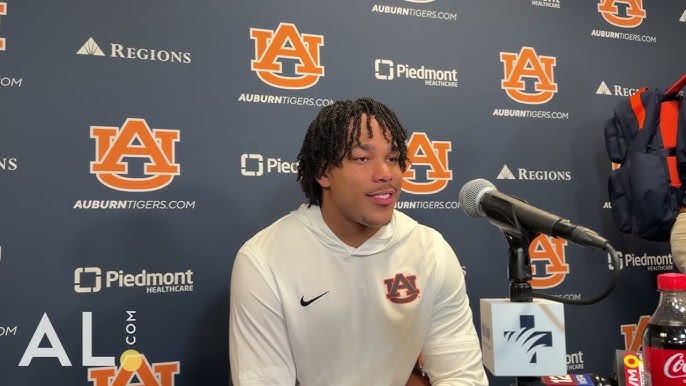
Spring games often create narratives that stick far longer than they should, and this year’s A-Day was no different. All eyes were locked on Byrum Brown, with fans eager to see explosive plays, sharp timing, and a dominant showing that would fuel offseason hype. Instead, the outing felt controlled, measured, and at times uneven, sparking conversation about rhythm, tempo, and how much of the playbook was truly available. But inside the program, the perspective appeared far different. Coaches emphasized situational work, roster evaluation, and installing pieces of the offense rather than chasing highlight-reel moments. The environment itself — limited contact, restricted pass rush, and rotating personnel — made it difficult for any quarterback to fully settle in. Still, the expectation surrounding Brown meant every throw was scrutinized, every drive dissected, and every pause interpreted as something bigger.
Beyond the surface-level reaction, the broader takeaway from spring centered on growth rather than one afternoon. Teammates pointed to improved communication, quicker decision-making, and a stronger understanding of the system compared to the early practices. The offense reportedly expanded as spring progressed, with timing routes sharpening and protections becoming more consistent. Meanwhile, the defense forced competitive reps that challenged Brown throughout camp, creating a back-and-forth environment that prioritized development over dominance. Special teams also saw adjustments, contributing to what players described as a more complete team identity forming by the end of practice 15. By the time A-Day arrived, the focus had shifted from individual numbers to cohesion, with the staff seemingly content using the scrimmage as a checkpoint rather than a final verdict.

“Hard to get in a rhythm when you’re not fully live. So that’s a part of it, but I’ll be fine. Looking forward to the first game, to be honest,” Brown said. “We grew a lot from practice one to practice 15. Tremendously different offense, defense and special teams. Everyone’s bought in and continuing to buy in. So I think it’s going to be a really good 2026 season.”
That statement quickly reframed the conversation, shifting attention from spring performance to opening week expectations. Brown’s tone suggested confidence not just in himself, but in the collective progress made across the roster. Rather than treating A-Day as a missed opportunity, he positioned it as part of a longer buildup toward meaningful football. The emphasis on growth from the first practice to the last also hinted at a team still evolving, one that expects sharper execution once the playbook fully opens and game-planning becomes opponent-specific. His comments echoed a belief that timing, rhythm, and aggressiveness will look different when everything is live and the stakes are real.
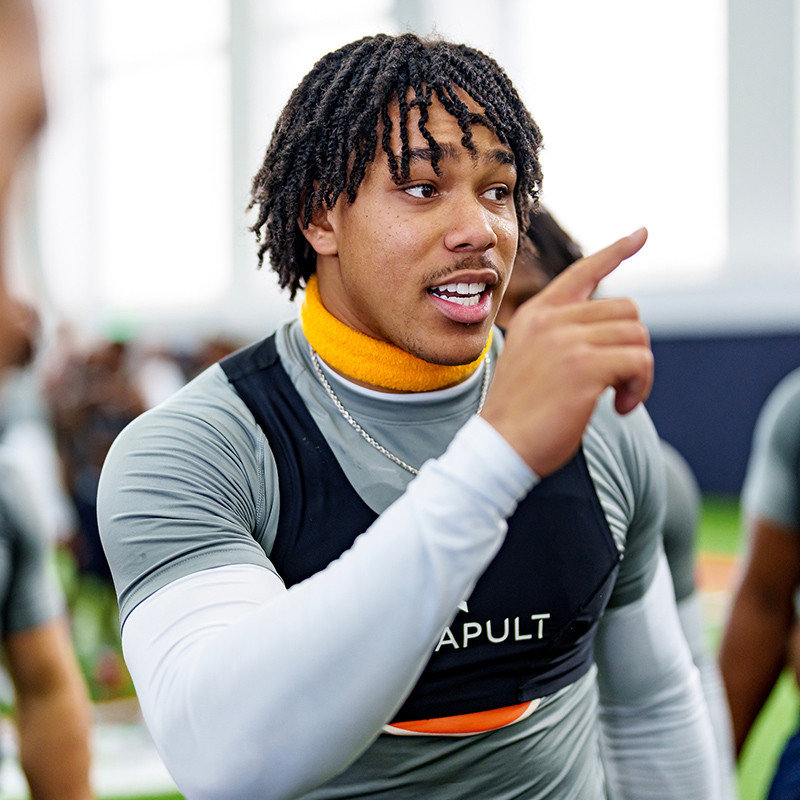
Internally, that mindset appears to be spreading. Players have continued to reference buy-in, competition, and a noticeable jump in intensity as spring unfolded. Coaches have reportedly pushed situational football, late-drive execution, and red-zone efficiency, all areas that don’t always translate to flashy spring stats but often define regular-season success. Brown’s leadership within that structure has also been a talking point, with teammates noting his command in huddles and growing comfort directing adjustments. The result is a quarterback who seems less concerned with spring headlines and more focused on building toward a cohesive offensive identity heading into fall camp.

With months still separating A-Day from kickoff, Brown’s message serves as both reassurance and warning. He isn’t measuring progress by spring applause — he’s measuring it by what happens when the lights come on in Week 1. If the development he described carries into the season, the quieter spring performance may end up being forgotten entirely. For now, Brown has made his stance clear: the real evaluation hasn’t happened yet, and when it does, he expects to make a statement that speaks far louder than anything seen on A-Day.