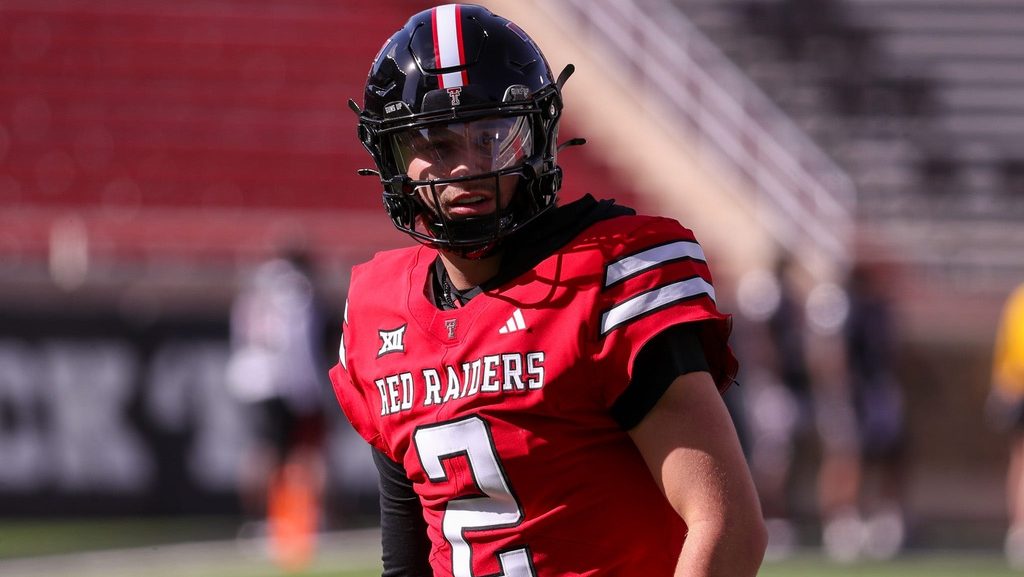
Many within college football voiced frustration on Monday after a judge granted Brendan Sorsby, the Texas Tech quarterback, an injunction that restores his eligibility for the upcoming season — despite his admission that he wagered on multiple college football games involving his own team.

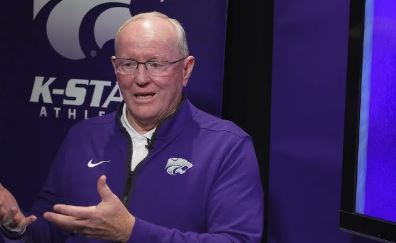
Few reactions were as strong as that of Gene Taylor, the athletic director at Kansas State Wildcats. Speaking candidly, Taylor made it clear he was deeply unhappy with the ruling, calling it fundamentally unfair. Sorsby acknowledged in court filings that he placed dozens of bets on games connected to his teams during his time at Cincinnati and Indiana. As a result, the NCAA declared him permanently ineligible before the court decision reversed that outcome.
Taylor said he sympathizes with the player’s personal struggles but believes that should not override the principle of competitive integrity. In his view, athletes at every level of sports face severe consequences for betting on their own teams, and allowing Sorsby to return sets a dangerous precedent. He added that schools within the Big 12 Conference have already held serious discussions about potentially refusing to play Texas Tech Red Raiders while Sorsby remains on the active roster, even though Kansas State and Texas Tech are not scheduled to meet this season.
“This is bigger than one conference,” Taylor said, emphasizing that the issue affects the credibility of college football as a whole.
Concern extended beyond the Big 12. Mark Harlan, the athletics director at Utah Utes, said he was disheartened by the injunction. While reaffirming support for student-athlete well-being, Harlan stressed the need for clear standards that protect fairness and ethical competition across the sport.
Big 12 commissioner Brett Yormark also weighed in, warning that the ruling could have sweeping consequences throughout college athletics. He noted that the decision has sparked widespread concern among conference members and confirmed that meetings with athletic directors and the league’s executive board are already scheduled. Yormark added that the Big 12 has been in contact with NCAA leadership and expects an appeal to be filed within the next 24 to 48 hours.
As the legal process continues, the case has ignited a broader debate about gambling, enforcement, and the future of integrity in college sports — one that may shape policy decisions well beyond this single situation.