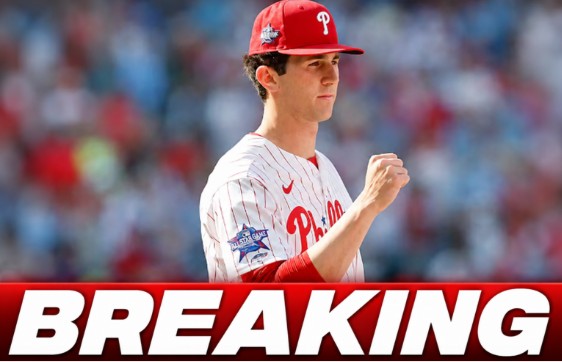
The Philadelphia Phillies suffered an ugly defeat on Wednesday, and much of the blame fell on Andrew Painter. Once viewed as one of baseball’s most untouchable prospects, the young right-hander has endured a difficult introduction to the major leagues, leaving the organization in a complicated position. The Phillies cannot realistically move on from him, nor can they afford to trade him at his current value. Instead, they are left hoping he eventually turns things around.
Selected 13th overall in the 2021 MLB Draft, Painter arrived with enormous expectations. The Florida native quickly elevated his status by recording a stellar 1.56 ERA across three levels of the minor leagues during his first professional campaign. At the time, many believed he was on track to make a significant impact in Philadelphia as a 20-year-old during the 2023 season.
Those plans were derailed when Tommy John surgery sidelined him, costing him both the 2023 and 2024 minor league seasons. He finally reached Triple-A last year, but his return was far from dominant, as he posted a 5.40 ERA over 22 starts.
Despite those concerns, the Phillies entrusted Painter with the fifth spot in their starting rotation entering this season. Combined with the declining performance of Aaron Nola and veteran Taijuan Walker, Philadelphia was asking a lot from the back end of its rotation.
The results have unfolded much as many feared. Nola has struggled to a 5.86 ERA, while Walker posted a troubling 9.13 ERA before ultimately being released. While the struggles of two veterans were disappointing, they were not entirely surprising. Painter’s issues, however, sting more because of the immense potential that still surrounds him.
Andrew Painter Is Hurting the Phillies, and Only He Can Change That
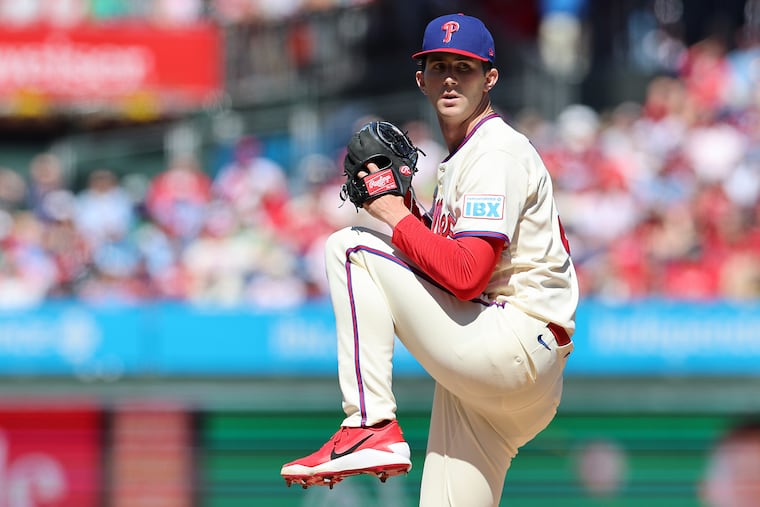
Through 14 appearances this season, Painter has shown only occasional flashes of promise. Aside from a gritty outing against the Arizona Diamondbacks while battling migraines, there has been little evidence that he is ready to consistently compete at the major league level.
Across 65 innings, the 23-year-old has allowed 51 earned runs while giving up 84 hits, including 14 home runs. He has walked 24 batters and struck out 53.
The electric arsenal that once made him one of baseball’s most coveted prospects has not looked the same since Tommy John surgery. The overpowering stuff that once overwhelmed hitters has been replaced by a collection of pitches that have struggled to miss bats and finish at-bats.
His latest setback came Wednesday when he surrendered six earned runs in only two innings. The outing proved costly, as the Phillies decided to option him back to Triple-A later that day, raising immediate questions about who will take over his spot in the rotation.
As Phillies insider Matt Gelb reported:
“Phillies optioned Andrew Painter after the game. They’ll bring an extra reliever for Thursday, then try something different next week with No. 5 spot in rotation.”
Philadelphia’s internal options are hardly inspiring. Pitchers such as Alan Rangel, Tucker Davidson, and Bryse Wilson are available at Triple-A, but none project as long-term solutions. Meanwhile, 2025 first-round pick Gage Wood has generated excitement at Double-A, though his limited professional experience makes a rapid promotion unlikely.
The Phillies could explore the trade market for help, but with more than a month remaining before the deadline, finding an affordable and effective fifth starter may prove difficult.
Trade speculation has also surfaced around Painter himself. Some believe he could still be used as a centerpiece in a deal for major league reinforcements. Given the Phillies’ thin farm system, he remains one of the organization’s most valuable assets. However, his difficult rookie campaign has significantly damaged his market value, making now perhaps the worst possible time to move him.
The challenge is obvious. The best way for Painter to rebuild his value would be by succeeding in the major leagues. Yet the Phillies are in the middle of a playoff race and cannot afford to continue sacrificing games while he tries to find his footing.
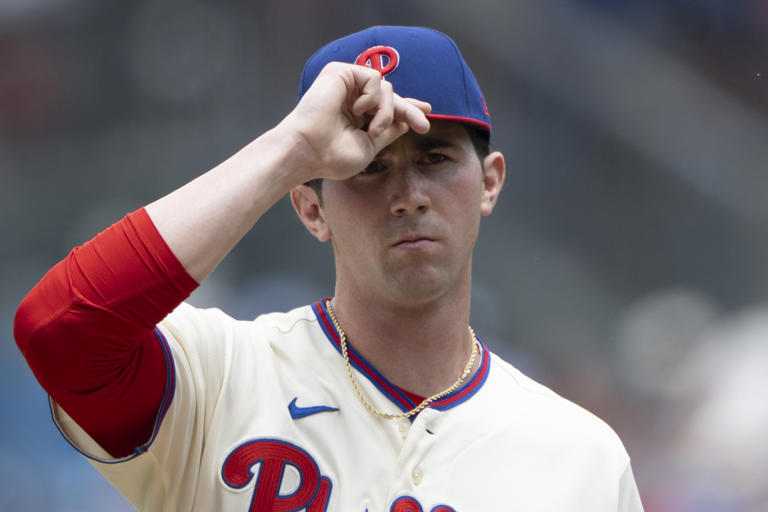
At the same time, giving him an extended stay in the minors creates another problem: there is no clear replacement. Whether it’s Rangel, Davidson, Wilson, or another depth arm, the alternatives may not represent a meaningful improvement.
That is the heart of Philadelphia’s Andrew Painter dilemma. Trading him now would mean selling low on a player who was once viewed as a future ace. Keeping him in the majors risks costing the team valuable wins. Sending him to the minors may help his development, but it does little to solve the rotation issue.
For now, the Phillies have temporarily paused the Andrew Painter experiment at the major league level. Yet the underlying problem remains. The organization cannot solve it through trades, roster moves, or quick fixes. Ultimately, the path forward depends on Painter rediscovering the form that made him one of baseball’s brightest young pitching prospects. Only he can change the trajectory of his future—and the Phillies’ plans with him.