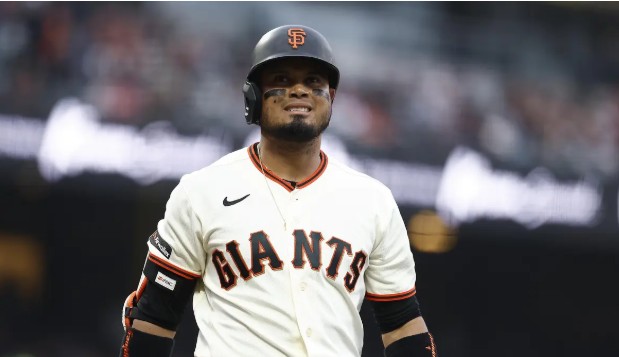
San Francisco Giants second baseman Luis Arraez is emerging as a player to watch ahead of this year’s trade deadline, with the club increasingly expected to move veterans on expiring deals.
Arraez, who is set to hit free agency after the season, stands out as one of the Giants’ most valuable trade chips. If San Francisco ultimately commits to selling, it would make little sense to keep the three-time batting champion without at least exploring what he could bring back in return.
At first glance, Arraez is putting together another impressive season offensively. The left-handed hitter continues to do what he has done throughout his career: put the bat on the ball, avoid strikeouts, and consistently rack up hits. Still, not everyone is convinced his current production will hold at the same level for the rest of the year.
Bleacher Report’s Kerry Miller pointed to one concern that could shape how rival teams view Arraez on the market.
“However, he [Arraez] is defying his expected numbers like never before in his career, and a new team might be left holding the bag if he starts to regress in a big way,” Miller wrote.
That concern centers around the gap between Arraez’s actual production and what the underlying metrics suggest. While his traditional numbers remain strong, some evaluators may wonder if regression is coming.
“Arraez is batting .321, but his expected batting average is .285,” Miller added. “Granted, that is still doggone good by today’s .240-ish standards, but a not-insignificant divide all the same.”
So should interested teams expect Arraez to keep hitting above .300 for the rest of the season? Maybe not. His current pace may be difficult to sustain, especially if the expected numbers prove more accurate over time.
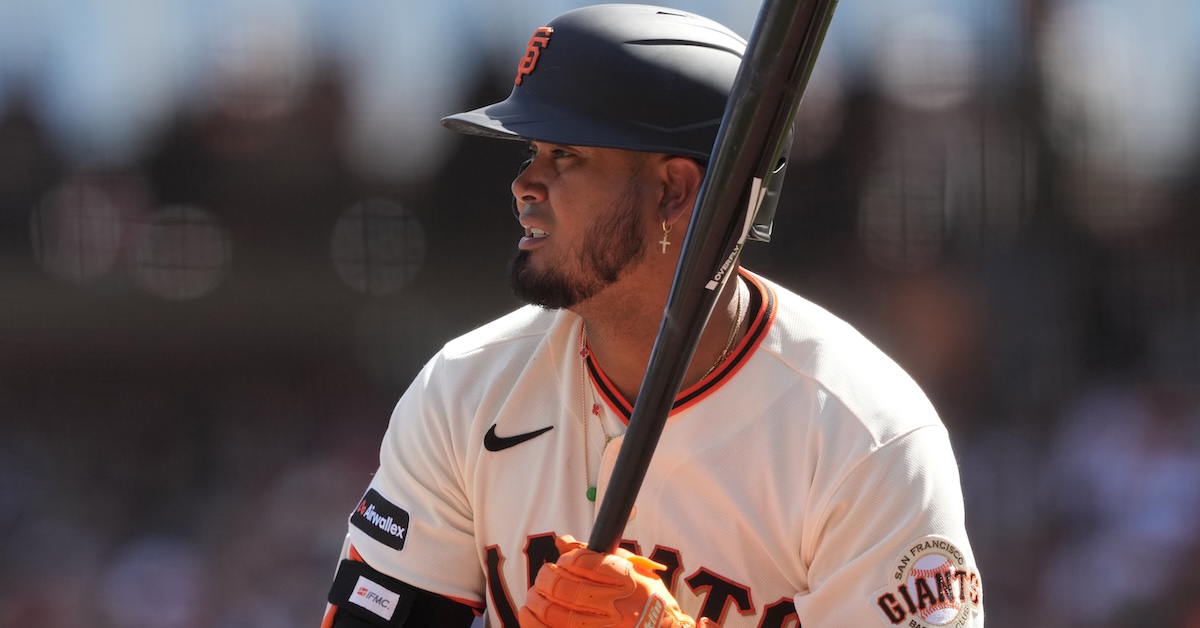
Even so, Arraez has built a career on proving he can outperform projections. He has finished with a batting average of at least .314 in five of his first seven MLB seasons, which makes betting against him a risky move.
For the Giants, that debate may come up in trade talks, but it likely won’t be enough to seriously damage his market.