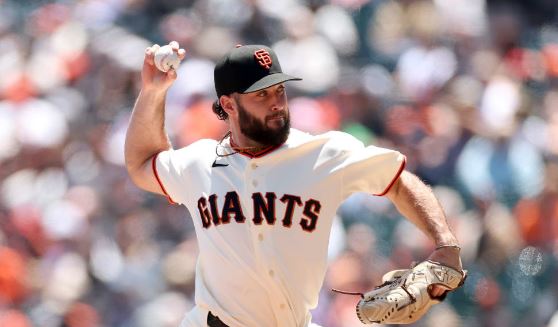
Trevor McDonald delivered one of the biggest bright spots of the San Francisco Giants’ season just a week ago, helping the club finally snap its miserable nine-game losing streak against the Arizona Diamondbacks with six outstanding innings. The rookie looked poised to build on that breakthrough, but baseball can be brutally unforgiving, and Tuesday night at Oracle Park served as a harsh reminder.
Facing a dangerous Toronto Blue Jays lineup, McDonald endured the toughest outing of his young major league career as the Giants fell 9-3. The right-hander was unable to escape the third inning, surrendering an astonishing 11 hits over just 2⅓ innings while struggling to keep any of his pitches out of the heart of the strike zone.
The performance landed McDonald in an unfortunate place in Giants history. No San Francisco pitcher had allowed at least 11 hits in 2⅓ innings or fewer since Mark Gardner suffered a similar fate against the Montreal Expos in 1998. Before Gardner, only Hall of Fame legend Gaylord Perry had experienced the same statistical nightmare, giving up 11 hits in 2⅓ innings against the Chicago Cubs back in 1966.
While sharing a record book with a Hall of Famer is usually a badge of honor, this was one milestone McDonald would certainly prefer to forget.
The Blue Jays wasted little time attacking the rookie. Rather than waiting for walks or deep counts, Toronto consistently put balls in play and turned nearly every mistake into another baserunner. Whether it was sharply hit line drives or well-placed singles, the Blue Jays kept the pressure on from the opening inning and never allowed McDonald to settle into a rhythm.
McDonald leaned heavily on his sinker throughout the outing, throwing the pitch 37 times among his 58 total offerings. However, the sinker repeatedly stayed elevated instead of diving beneath opposing bats, while his secondary pitches also lacked their usual movement and command. Toronto’s disciplined hitters capitalized on nearly every mistake, refusing to let hittable pitches escape unpunished.
The outing was especially disappointing considering the confidence McDonald had built after his impressive start against Arizona. That performance showcased the poise and command that convinced the Giants he could provide meaningful innings during the second half of the season. Just seven days later, however, he experienced the type of adversity nearly every young pitcher encounters during their first extended opportunity in the majors.
Despite the disappointing result, McDonald sent a clear message afterward that reflected both accountability and determination.
“I’ve just got to be better,” McDonald said after the loss. “They made me pay for my mistakes tonight. I’ll learn from it, get back to work, and be ready for my next opportunity.”
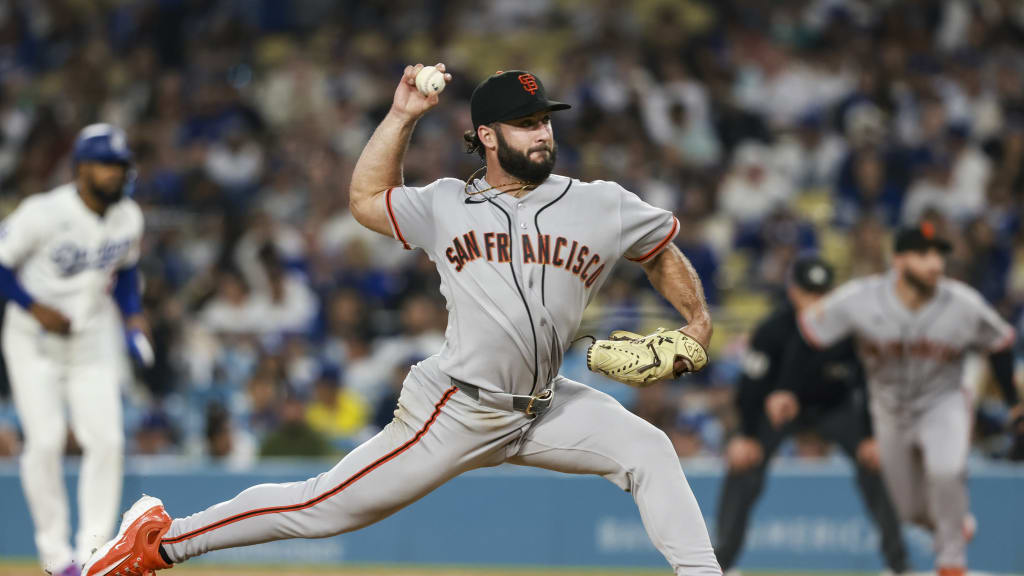
His response underscored the mindset the Giants hope will allow the rookie to bounce back quickly. Rather than making excuses, McDonald acknowledged his command issues and emphasized his commitment to improving.
For San Francisco, the defeat was another frustrating reminder of how thin the margin for error can be against one of baseball’s most dangerous offenses. The Giants had entered the game with momentum after a strong pitching performance the night before, but Toronto’s relentless attack quickly shifted the series.
Every young pitcher experiences growing pains, and McDonald now faces perhaps the biggest test of his rookie campaign. His ability to respond after one of the roughest starts by a Giants pitcher in nearly three decades could reveal just as much about his future as the dominant outing that ended the club’s lengthy drought against Arizona.
The Giants remain confident that Tuesday’s struggles will become a learning experience rather than a defining moment. For McDonald, the focus has already shifted toward making adjustments, regaining his command, and proving that one difficult night will not overshadow the promise he displayed only a week earlier.