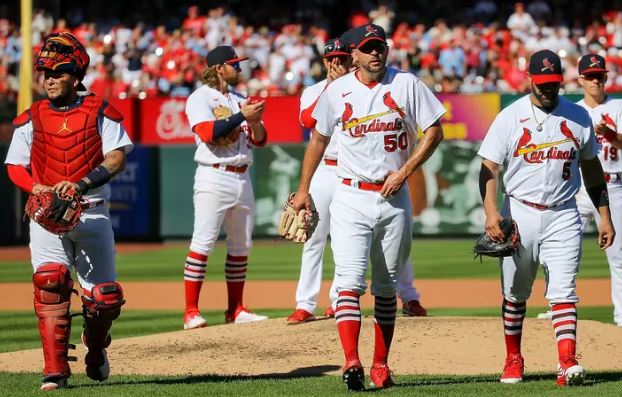
The St. Louis Cardinals have reached one of the most pivotal moments of their 2026 season, and the timing couldn’t be more critical. With the MLB trade deadline only weeks away, the organization finds itself caught between two very different paths. After exceeding expectations for much of the first half, the Cardinals are no longer viewed as a clear playoff contender, leaving president of baseball operations Chaim Bloom with a difficult decision that could shape the franchise for years to come.
Just a few weeks ago, St. Louis appeared to be one of the National League’s biggest surprises. The Cardinals had positioned themselves firmly in the Wild Card race thanks to timely hitting, solid starting pitching, and the emergence of several young contributors. Despite entering the season with modest expectations as the club embraced a new organizational direction, they consistently found ways to remain competitive against some of baseball’s strongest teams.
However, momentum has quickly shifted. A recent four-game losing streak proved costly, knocking the Cardinals out of a coveted Wild Card spot and exposing several weaknesses that have lingered beneath the surface all season. While the team remains within striking distance of postseason contention, every loss has intensified the pressure on the front office as the July 31 trade deadline rapidly approaches.
The biggest concern continues to be the starting rotation. Although the Cardinals have received encouraging performances from several starters throughout the season, they still lack the type of frontline ace capable of matching up with the National League’s elite clubs in a potential playoff series. The bullpen has also endured stretches of inconsistency, forcing the starting staff to shoulder an even greater burden during crucial games.
Those issues have naturally fueled speculation that St. Louis could pursue pitching upgrades before the deadline. Yet the current trade market presents a harsh reality. Quality starting pitchers, particularly those under team control beyond this season, have become some of the most valuable assets in Major League Baseball. Rival executives are demanding premium prospect packages, making it increasingly difficult for contenders to improve without sacrificing key pieces of their future.
That reality has prompted discussion about whether the Cardinals should capitalize on one of their deepest organizational strengths—their catching depth—to acquire much-needed pitching. However, longtime Cardinals broadcaster Randy Karraker recently poured cold water on that possibility, suggesting that simply trading from a position of surplus would likely not be enough. According to Karraker, landing a controllable impact starter would almost certainly require St. Louis to part with young players the organization considers foundational building blocks rather than expendable assets.
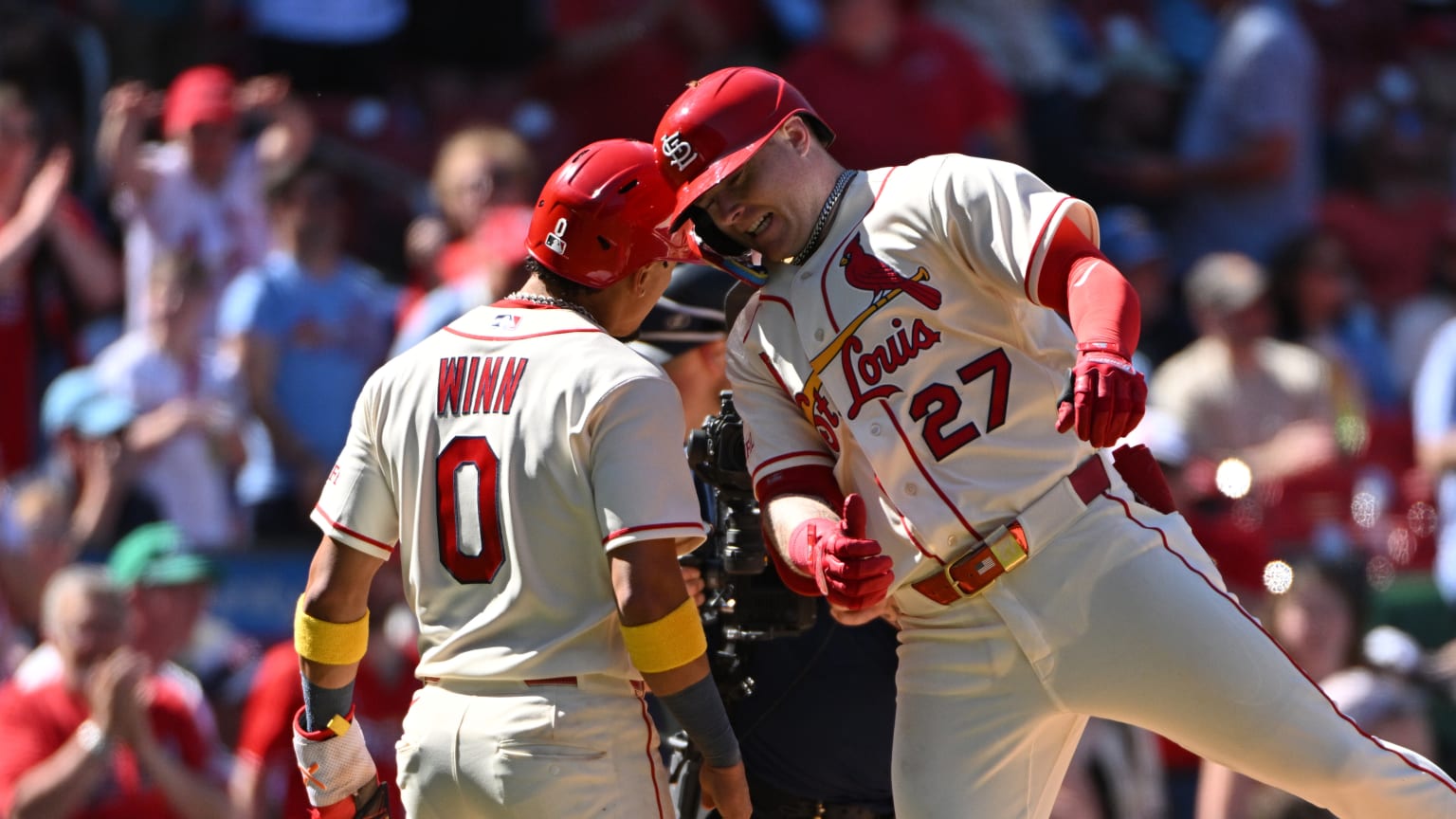
It is a difficult dilemma for Bloom, who has spent the past year carefully reshaping the Cardinals’ long-term vision. After taking over baseball operations, Bloom emphasized sustainable success through player development while remaining competitive at the major-league level. That strategy has already begun to pay dividends, with several young players making meaningful contributions throughout the season and helping keep the Cardinals relevant in the playoff race far longer than many preseason projections anticipated.
The strength of St. Louis’ farm system only complicates matters further. The Cardinals possess one of baseball’s deeper collections of young talent, giving the organization flexibility that many competitors lack. Highly regarded prospects have generated significant excitement within the system, offering hope that the next core of Cardinals baseball is already developing. Those same prospects, however, also represent the club’s greatest trade currency if management decides to aggressively pursue immediate upgrades.
As a result, every remaining game before the deadline carries enormous significance. A strong run over the next few weeks could convince the front office that this roster deserves reinforcements for a legitimate postseason push. Conversely, another disappointing stretch could persuade Bloom to remain patient, preserve the organization’s top prospects, and continue building toward sustained success in future seasons rather than risking valuable long-term assets for a short-term gamble.
The uncertainty surrounding St. Louis has also captured the attention of rival executives across baseball. Teams around the league recognize that the Cardinals possess enough attractive trade pieces to influence the entire deadline market, whether they ultimately decide to buy, sell, or pursue a hybrid approach. That unique position gives Bloom flexibility, but it also increases the pressure to make the right call.
Perhaps the most encouraging aspect for Cardinals fans is that this team has repeatedly demonstrated resilience throughout the season. Whenever expectations have started to fade, the club has responded with impressive stretches of baseball that reignited playoff hopes. That resilience could once again prove decisive as the deadline approaches, especially with plenty of games still remaining against fellow National League contenders.
Ultimately, the Cardinals have arrived at a defining crossroads. The recent slump has revealed that the roster still has meaningful flaws, but it has not completely eliminated the possibility of reaching October. The front office must now determine whether this surprising season deserves further investment or whether remaining committed to the organization’s long-term blueprint is the wiser course.
One thing has become increasingly clear: improving this roster will not come cheaply. If the Cardinals hope to acquire the kind of impact pitching capable of transforming them into a legitimate playoff threat, they will almost certainly have to sacrifice players they had hoped would help shape the franchise’s future. That bitter truth now hangs over every decision as the countdown to the trade deadline continues.
For Bloom and the Cardinals, the coming weeks may ultimately define far more than the remainder of the 2026 season. They could determine the direction of the franchise for years to come.