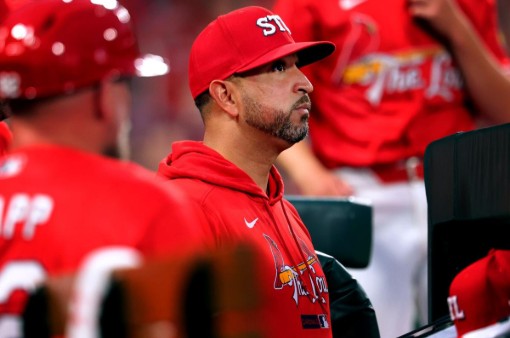
The St. Louis Cardinals approached the trade deadline with one eye on the future while still leaving the door open for the present. They dealt two impending free-agent pitchers, moved a controllable outfielder in exchange for prospects, and then added a veteran reliever who is eligible for free agency after the season.
That final move stood out as the most puzzling decision of their deadline activity.
Acquiring Caleb Ferguson from the Cincinnati Reds in exchange for international bonus pool money is unlikely to define Chaim Bloom’s tenure as president of baseball operations. The acquisition came at a relatively modest cost, and Ferguson has the experience to help reinforce a bullpen that has been stretched thin. Even so, the move seemed inconsistent with the broader strategy the Cardinals followed throughout the deadline. For a 56-57 club balancing the present with the future, spending a long-term asset on a short-term rental felt like an unnecessary compromise.
St. Louis accurately assessed where it stands. Despite Alec Burleson’s three two-run home runs leading the Cardinals to a 13-7 victory over the New York Yankees, the club remains fourth in the National League Central, 13.5 games behind the Milwaukee Brewers. They also sit four games behind the final National League Wild Card spot, with several teams standing between them and a postseason berth.
That leaves the Cardinals close enough to remain competitive but not in a position where sacrificing future assets for limited upgrades makes much sense.
Why Caleb Ferguson Was a Questionable Addition

Ferguson, 30, posted a 4.01 ERA in 26 appearances, including one start, for Cincinnati. After signing a one-year, $4.5 million contract before the season, he is set to become a free agent this offseason. Reports indicated the Cardinals sent $250,000 in international bonus pool money to complete the trade.
While St. Louis did not give up a prospect, international bonus money still carries value. It can be used to sign promising amateur talent, create flexibility during the international signing period, or facilitate future trades. Those options seem more aligned with an organization focused on rebuilding its pitching depth and strengthening its long-term outlook.
The Cardinals’ Deadline Strategy Suggested a Different Direction

Bloom’s other moves reflected that long-term vision. The Cardinals traded Dustin May and JoJo Romero, both pending free agents, to the Milwaukee Brewers for outfield prospects Alexander Frias and Josiah Ragsdale. They also dealt Lars Nootbaar to the Arizona Diamondbacks for pitching prospects Daniel Eagen and Sandro Santana, along with a player to be named later.
Those trades converted current assets into players who could contribute for years. The Ferguson acquisition moved in the opposite direction.
Supporters of the deal could argue that a team sitting four games out of a playoff spot should not completely give up, especially when it can acquire an experienced left-handed reliever without parting with a prospect. With May and Romero gone, Ferguson provides manager Oli Marmol another reliable major league option while allowing the organization to continue promoting younger players. International bonus money also offers no guarantee of producing a future contributor, unlike a proven reliever capable of helping immediately.
That argument has merit, but it overlooks the bigger picture.
Why the Cardinals’ Middle Ground Is Difficult to Justify

Bullpen performance can fluctuate dramatically, and one rental reliever is unlikely to significantly improve the Cardinals’ playoff chances. Ferguson was not acquired as a dominant late-inning arm, while the departures of May and Romero weakened both the rotation and bullpen. If the front office believed the team was still in position to buy, it needed an addition with either greater impact or long-term value. If it believed selling was the right course, preserving every future asset would have better matched that strategy.
Instead, the Ferguson trade landed somewhere in between. It neither substantially improved the current roster nor meaningfully strengthened the organization beyond this season.
Trading Nootbaar also raises questions, considering he remained under team control through 2027 despite returning from surgery on both heels and batting .234 with a .688 OPS over 48 games. However, the Cardinals received a strong package of pitching talent in return. Eagen, ranked fifth in Arizona’s farm system by MLB Pipeline before the trade, recorded 109 strikeouts across 87⅓ Double-A innings despite a 4.95 ERA. Santana and the player to be named later add further value to the deal, making its long-term logic easier to understand.
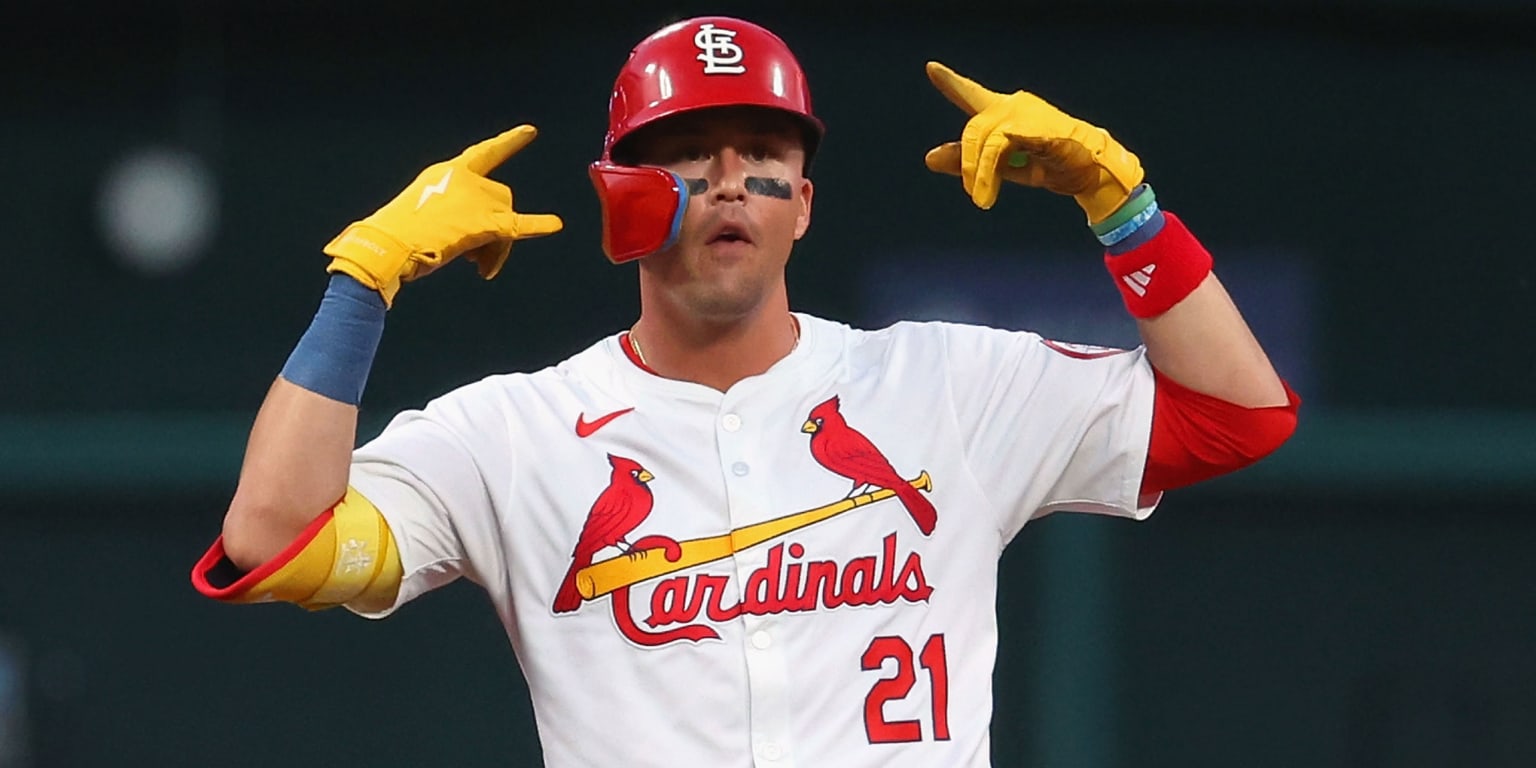
The same case is harder to make for Ferguson. The trade was not an expensive mistake, nor was it a franchise-altering error. It simply represented the move that least aligned with the Cardinals’ stated direction.
For Bloom, building the next successful Cardinals team is about more than collecting talent. It also requires maintaining a consistent strategy during a transition that has already included the departures of veterans such as Nolan Arenado and Sonny Gray. Every move should contribute toward creating a sustainable contender.
Ferguson could certainly help St. Louis win games over the final two months. But unless those victories spark an unlikely postseason run, the Cardinals will have spent a future asset on a short-term addition that does not fit the long-term approach reflected in the rest of their deadline decisions.