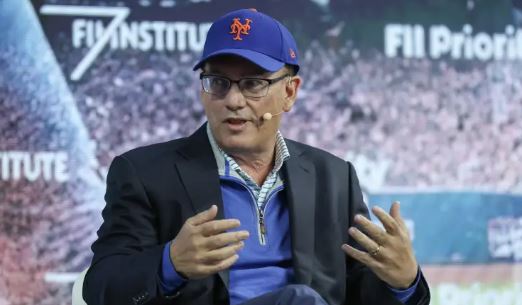
New York Mets owner Steve Cohen has finally addressed the team’s stunning collapse after entering the 2026 season with championship expectations. Once viewed as the favorite to capture the National League East, the Mets have instead found themselves at the bottom of the division standings, raising serious questions about the direction of the franchise.
While Cohen continues to stand behind president of baseball operations David Stearns, the billionaire owner admitted that the organization may have taken too many risks during its aggressive roster overhaul.
Speaking with reporters ahead of the Mets’ August 19 matchup against the San Diego Padres, Cohen acknowledged that the constant changes across the roster and coaching staff may have prevented the team from finding the chemistry needed to succeed.
“We might have taken too much risk as far as when you think about all the changes that were made,” Cohen said. “Whenever there are significant changes, sometimes it takes a while to integrate. Those are the things I’m looking at. It’s an example of where we can be better.”
Cohen compared the Mets’ approach to managing an investment portfolio, explaining that bigger risks can create bigger rewards but also lead to greater setbacks.
“The more risk you take in a portfolio — yeah, it can have major upside, but also your downside can be bigger,” Cohen explained. “And so you can have bigger variance in results. I think that’s what happened here.”
The Mets’ struggles have sparked frustration throughout the organization. The team not only rebuilt major parts of its roster but also made significant coaching changes, including the decision to move on from manager Carlos Mendoza earlier in the season.
Mets’ Expensive Roster Gamble Has Turned Into a Major Disappointment
The biggest criticism surrounding New York’s disappointing campaign has centered on the decisions made during the offseason.
The Mets entered 2026 with one of the highest payrolls in baseball, but several major moves have failed to deliver the expected results. The organization moved on from franchise cornerstone Pete Alonso and star closer Edwin Díaz, while also parting ways with longtime contributors Jeff McNeil and Brandon Nimmo.
Stearns attempted to reshape the roster with veteran replacements, but many of those moves have not produced the desired impact.
Jorge Polanco, brought in as a replacement for Alonso’s offensive production, struggled badly before a season-ending ankle injury ended his year. The veteran infielder managed only a .148 batting average in 37 games before being sidelined.
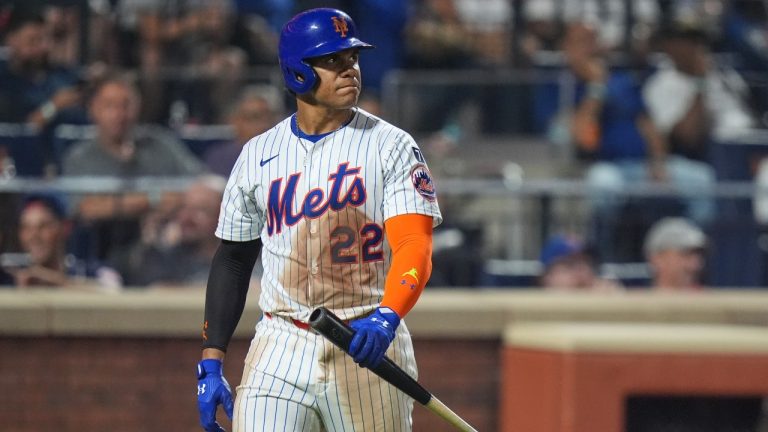
The Mets also moved McNeil and Nimmo, decisions that have received heavy criticism as both players have provided value with their new teams. Meanwhile, Marcus Semien, signed to replace McNeil at second base, has struggled to find consistency, posting disappointing offensive numbers while carrying a massive contract.
With one of baseball’s largest payrolls, expectations were extremely high. Instead, the Mets’ expensive experiment has become one of the biggest disappointments of the season.
Cohen Still Believes in Stearns, But Mets’ Future Could Look Different
Despite the frustration surrounding the franchise, Cohen does not appear ready to make another dramatic front-office change. Stearns remains under contract through the 2028 season, and ownership appears willing to give him more time to rebuild the team.
However, the Mets’ next offseason could bring a major philosophical shift.
Rather than continuing to make aggressive blockbuster moves, New York may focus on developing young talent and building around its rising prospects.
Several young players have already provided encouraging signs, including Carson Benge, A.J. Ewing, Nolan McLean and Zac Thornton, who have impressed when given opportunities at the major league level.
For a franchise that has spent heavily in pursuit of immediate success, the Mets may now have to embrace patience.
The lesson from Cohen’s own words is clear: the organization believes the problem was not ambition — it was taking too many risks at once.
Now, the Mets must decide whether their next chapter will be built around another spending spree or a youth movement designed to create long-term stability.