Voluntary offseason workouts are underway across the NFL, and for some teams, that means navigating around unresolved contract situations—like the one brewing in Buffalo with star running back James Cook.
The 25-year-old Georgia alum is entering the final year of his rookie deal, which pays him $6 million, and he’s reportedly seeking a significant raise. Cook is aiming for a new contract that would pay him an average of $15 million or more annually—a figure that would place him among the league’s highest-paid backs.
That price tag could put the Bills in a tough spot. General manager Brandon Beane has historically favored drafting and developing running backs rather than making big-money commitments at the position. With that in mind, the team faces three potential paths: meet Cook’s asking price, explore a trade, or let things play out and revisit negotiations down the line. None of those options are without risk, and whichever way Buffalo goes, this situation is likely to come with some offseason drama.
Cook has emerged as a central figure in the Bills’ offense, and whether they pay up or pivot could say a lot about their direction moving forward—especially in a year where expectations remain high.
As voluntary workouts begin across the league, the Buffalo Bills are already feeling the tension of a contract standoff—star running back James Cook is notably absent.
According to ESPN’s Adam Schefter, Cook did not report to the start of the team’s offseason program, making his intentions clear as he enters the final year of his rookie deal. The 25-year-old has been highly productive, surpassing 1,000 rushing yards in back-to-back seasons and proving to be a vital complement to quarterback Josh Allen in the Bills’ offense. Still, he’s looking for a substantial payday—reportedly north of $15 million annually.
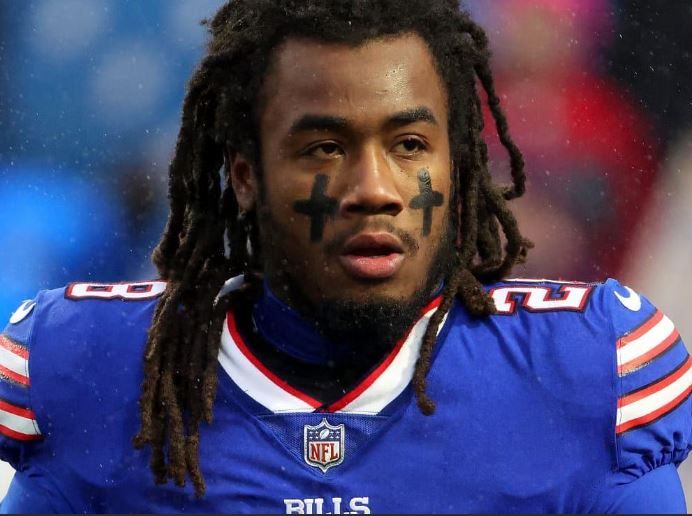
The Bills, however, may be hesitant to commit big money to the position. Historically, GM Brandon Beane has leaned toward drafting rather than paying running backs, and Buffalo appears to be allocating cap space toward other needs on the roster. The situation echoes what happened with the New York Giants and Saquon Barkley—only the Philadelphia Eagles swooped in, gave Barkley the deal he wanted, and rode his production to a Super Bowl victory.
Cook may not have the résumé Barkley brought to the table, but he’s been a consistent difference-maker and has grown into a key offensive weapon. His absence from voluntary workouts isn’t just a minor footnote—it’s a calculated signal to the organization that he’s serious about getting paid.
The big question now: Will Buffalo risk losing a top-tier back and potentially follow the Giants’ fate, or will they give Cook the deal he’s looking for and solidify the backfield heading into 2025? Either way, this standoff could shape the Bills’ season—and their long-term future.