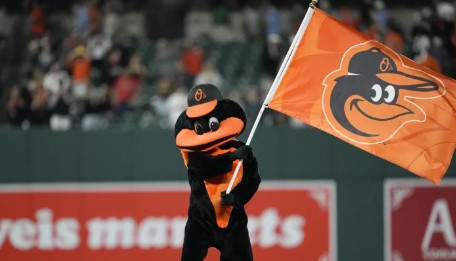
The Baltimore Orioles wrapped up Day 1 of the 2025 MLB Draft by making three key selections in the second round, Competitive Balance Round B, and third round. With those picks, the Orioles added a pair of pitchers and an outfielder to their growing prospect pool:
Top star made history as the highest-drafted pitcher during Mike Elias’ time as Orioles general manager — marking the first time Baltimore has used a second-round or earlier pick on a pitcher. The 6’8” lefty drew attention immediately, with MLB Network describing him as “a weird, strike-throwing lefty,” referencing his low arm slot and success without overpowering velocity. Baseball America notes that his fastball tops out at 95 mph, and while the Orioles passed on arms with more immediate upside, the telecast suggested they may have a plan to increase his velocity over time.
MLB Pipeline, which ranked veteran star No. 74 overall, praised his ability to hide the ball and throw consistent strikes thanks to his size and delivery. Known for his command and deception, he projects as a high-floor starter with mid-rotation potential if he can sharpen his breaking stuff. In his junior year, he fanned 104 batters in 91.2 innings with just 22 walks and only four home runs allowed — impressive stats that eclipse previous Elias-era pitching selections like Jackson Baumeister.
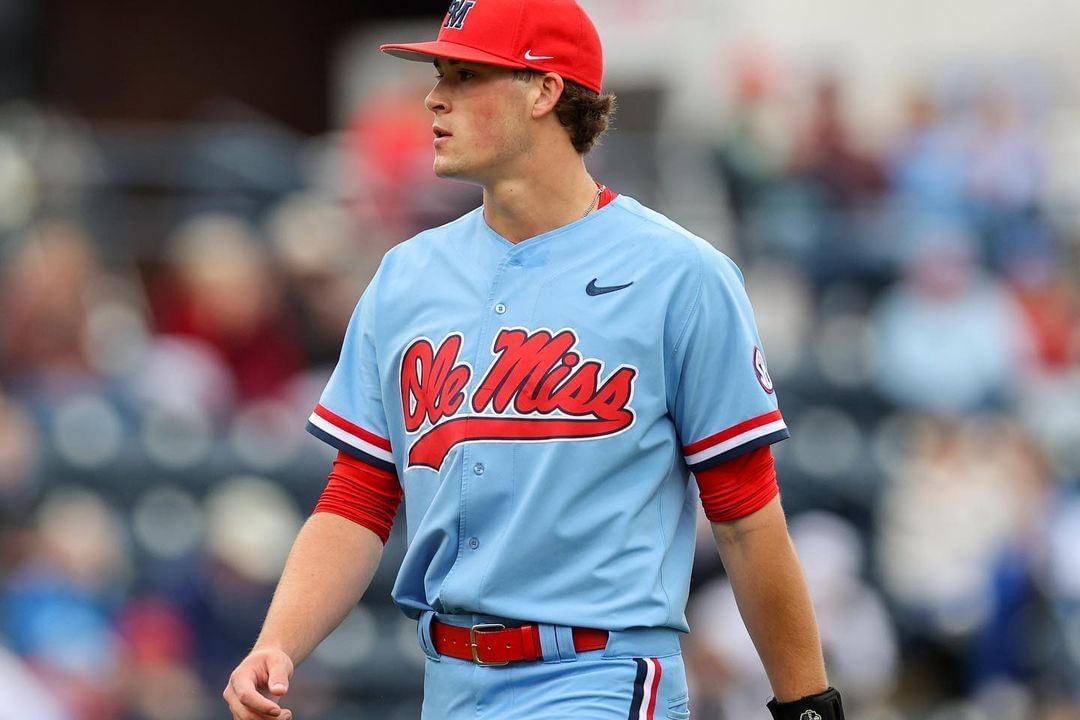
With the Competitive Balance Round B pick, the Orioles doubled down on pitching by selecting JT Quinn, making it back-to-back arms taken early. While higher-ranked pitchers like LSU’s Anthony Eyanson and high schooler Jack Bauer (yes, named after the 24 character) were still available, Baltimore opted for Quinn’s upside. Despite struggling with command during his first two seasons at Ole Miss, Quinn found his footing after transferring to Georgia. There, he tossed 36 innings in mixed roles, tallying 49 strikeouts to 16 walks, and added another strong showing in the Cape Cod League with 25 strikeouts in 14 innings — solidifying his case as a rising arm with developmental intrigue.
The 6-foot-6, 210-pound right-hander has consistently captured scouts’ attention thanks to his size, arm strength, and unconventional mechanics on the mound. He pitches from a high, over-the-top arm slot with an unorthodox delivery that adds deception, enhancing the effectiveness of his power arsenal. While control and command remain areas of concern—he tends to be erratic with his strike-throwing—his velocity, sharp breaking ball, and deceptive release angle make him a compelling upside play.
With Joseph Dzierwa being described as “weird” due to his arm slot and Quinn having a “unique operation,” it’s clear the Orioles made a conscious decision to go after tall pitchers with unconventional mechanics when finally investing high draft picks into arms. It’s a refreshing change in strategy that shows a willingness to take risks on pitchers who don’t fit the typical mold but have already shown success. There’s also speculation that one or both of these picks, particularly Quinn, could come at an underslot price to help free up bonus pool money for earlier selections like Ike Irish or Wehiwa Aloy.
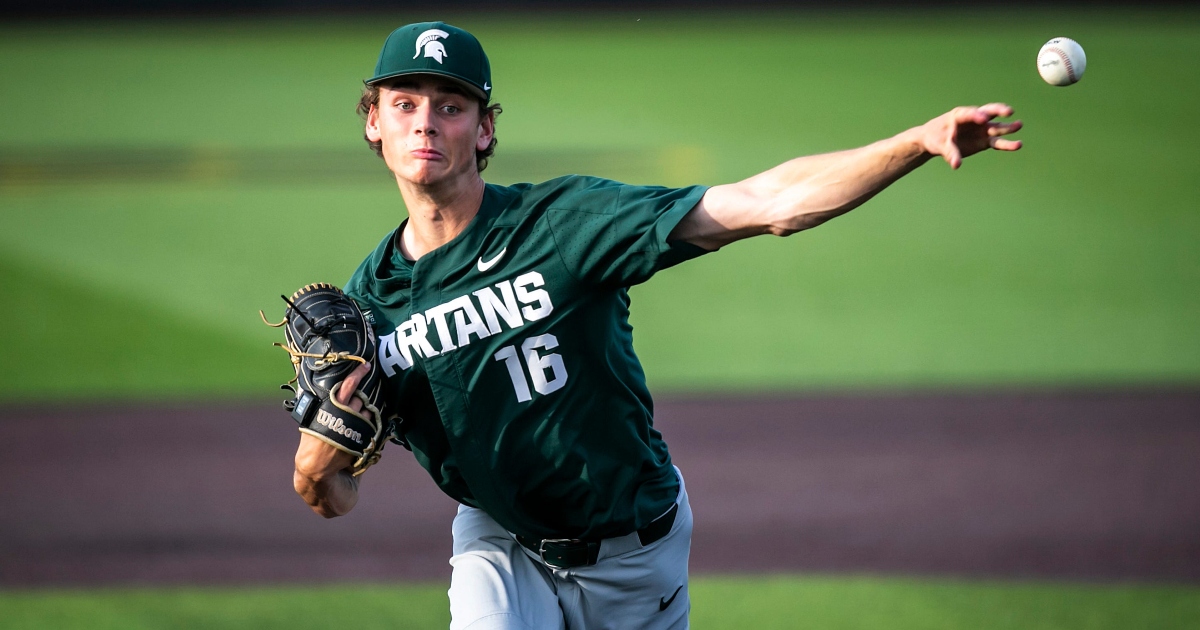
RJ Austin, meanwhile, comes from powerhouse Vanderbilt and enters the pros following a solid but unspectacular junior season, slashing .257/.353/.383 over 59 games. Unlike the Orioles’ earlier picks in this year’s draft, Austin doesn’t project as an immediate offensive standout, which is common for third-round or later selections. Still, his tools are intriguing, especially when viewed through an analytical lens.
According to FanGraphs, who didn’t rank Austin among their top prospects but still provided a scouting report, the Vanderbilt product boasts lightning-fast hands and an aggressive swing that maximizes every ounce of his smaller frame. He recorded a 90% in-zone contact rate and a 105 mph EV90 over the past two seasons—both metrics well above average for college hitters. Defensively, he’s a versatile athlete who spent most of 2025 in center field and held his own. Though he profiles as more of a speedy utility type, Austin is another example of Baltimore targeting high-contact hitters—continuing a trend seen in picks like last year’s Vance Honeycutt. Whether it pays off remains to be seen, but it certainly shows the O’s are exploring new approaches.