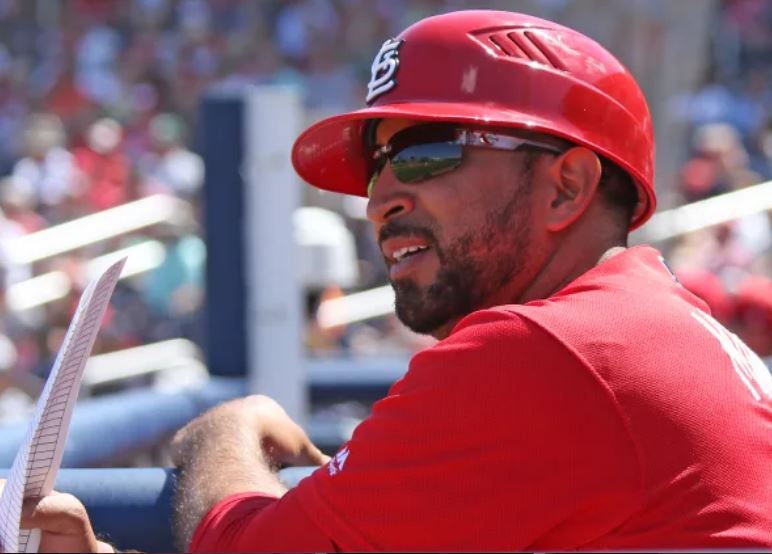
There’s no easy path forward for veteran star. The St. Louis Cardinals have outperformed expectations this season, and much of that success can be credited to his steady approach. He’s avoided publicly criticizing players despite several mistakes that may have warranted it, showing a level of composure that contrasts with his past behavior—and it’s clearly had a positive effect. Still, with a leadership transition looming, he has reason to feel uneasy, even if the team manages to make the playoffs this October.
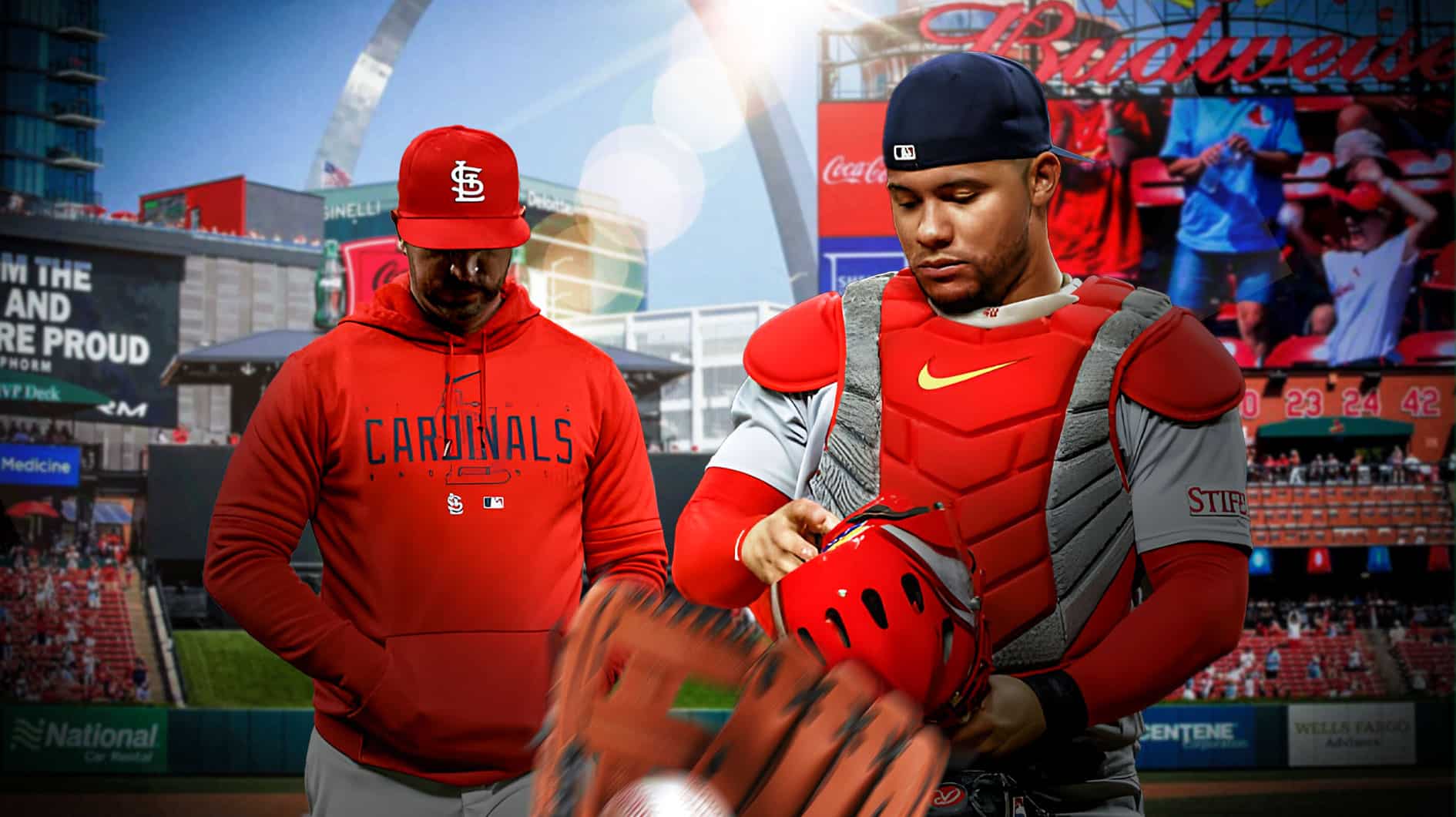
Much like how he was brought in after Mike Shildt led the Cardinals to the postseason, he could face a similar exit, albeit under different circumstances. While I wouldn’t call myself a staunch supporter of veteran star—he’s certainly not without his faults, many of which I’ve highlighted before—it’s hard to argue that he hasn’t done a solid job this year. The front office signaled during the offseason that 2025 would be a step-back year, yet the team has managed to exceed those expectations.
Much like their trade deadline approach, the Cardinals’ long-term direction remains a mystery — largely due to the power dynamic between John Mozeliak and Chaim Bloom. There’s no personal conflict between the two, but Mozeliak is unlikely to make any significant moves without Bloom’s approval, especially if those moves would have implications beyond this season. That dynamic creates a kind of organizational gridlock with limited flexibility.
As a result, the Cardinals could entertain offers for players like Nolan Arenado or Ryan Helsley. However, Brendan Donovan is essentially untouchable for now, as Bloom wants to be the one to determine his future with the club. Donovan’s All-Star selection — and his status as the only NL player with two hits in the game — only reinforces his value and importance to the organization.
Different front office executives tend to operate differently at each stop in their careers, but at the end of the day, they all answer to ownership. And in St. Louis, the DeWitt family has made it clear that they intend to reduce payroll in the coming years. Even with the team surpassing expectations this season, ownership doesn’t view the current roster as a legitimate contender — and, to be fair, they’re not wrong. But the solution they seem to favor — cutting costs rather than retooling aggressively — is undeniably frustrating for fans and possibly for the front office as well.

Oli Marmol doesn’t fit the Cardinals long-term vision
That’s where Oli Marmol becomes a central figure. The key question is whether the Cardinals see him as the right manager to guide a younger, possibly rebuilding roster in the coming years. While he’s certainly exceeded expectations in 2025, it’s important to note that he’s had the benefit of veteran leadership in the clubhouse — players like Nolan Arenado, Miles Mikolas, and others who help set the tone. If those veterans are traded or phased out, can Marmol maintain the same positive culture and cohesion? It’s a tough — and arguably unfair — burden to place on him, but it may be exactly what’s expected moving forward.
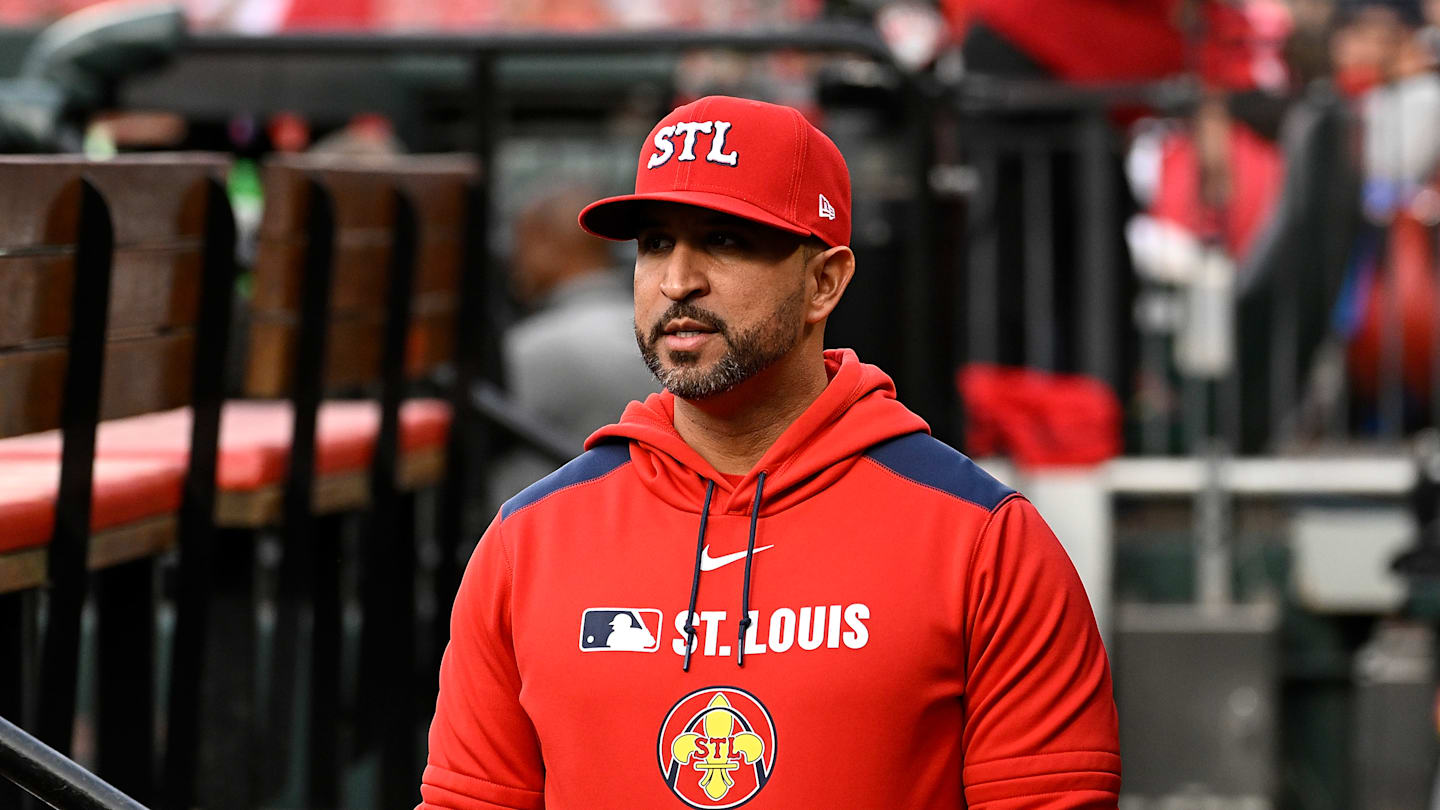
Chaim Bloom, meanwhile, has a reputation for making bold and often polarizing decisions, particularly in Boston, where many of those moves were influenced by ownership’s directives. If Bloom wants to succeed in St. Louis, he’ll need to strike a more careful balance between long-term planning and clubhouse chemistry. As for where Marmol fits into that vision — whether Bloom sees him as part of the solution or a remnant of a fading era — that remains uncertain.