Dylan Beavers was more than just a name on a prospect list for Baltimore Orioles fans; he was the team’s starting pitcher for the most of the 2025 season. The hitter-in-waiting’s bat was too loud to ignore. So, when the Orioles eventually brought up their top outfield prospect on August 16, there was no fanfare or grand announcement. It was welcomed with a tired eye roll and a collective “About time.”
After all, by mid-August, the Orioles had been out of the playoff picture for longer than your group chat had been planning your beach vacation. The outfield depth had already been depleted; Ramon Laureano, Cedric Mullins, and Ryan O’Hearn were all traded.

And there sat Dylan Beavers, still tearing up Triple-A pitching with a.304 average and.934 OPS in 94 games, waiting for a phone call that seemed like it would never come.
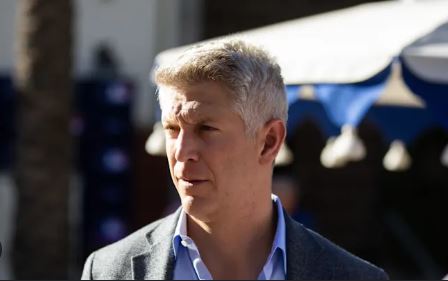
Mike Elias faces the music as Orioles rookie Dylan Beavers shines

The fanbase’s ire was not limited to Beavers being left in Norfolk. It was about what the delay signified — another example of front office maneuvering that seemed more interested with maximizing service time than fielding the greatest possible team.
General Manager Mike Elias, who was formerly praised for revitalizing the Orioles’ development system, was now facing criticism on Reddit threads and fan radio call-ins. Fans were outraged that he chose service time gamesmanship over providing a depleted roster the energy it urgently needed.

To be fair, it was not a mystery. Fans knew Beavers was prepared. Analysts believed he was prepared. Beavers has now made it clearly plain who he was.
In just 17 games, Beavers has looked like he belongs. He’s slicing. 302/.431/.434 with 144 OPS+, one home run, six RBIs, and sixteen hits. To add to the pandemonium, he swiped a bag. But it’s not just the numbers; it’s how he does them.
Yes, the 27.7 percent strikeout rate is surprising, but it is not uncommon for rookies adjusting to major-league arms. What makes up for it is his remarkable 18.5 percent walk rate, which demonstrates advanced plate discipline and pitch detection far beyond most players with “rookie” in their profile.
He isn’t floundering. He is not overwhelmed. He’s not looking for answers. He’s carrying out a plan, and that level of maturity leaves fans wondering why he wasn’t here sooner.
What if he got promoted in June? Or just after the All-Star break? Could the Orioles have broken out of their season-long slump sooner? Could they have salvaged their position in a rather weak Wild Card race? We’ll never know, and the ambiguity will torment Elias for far longer than any service-time advantage could.
So, this isn’t just a hot streak or a feel-good rookie story. This is about accountability, and the fans are right. They saw what Elias didn’t, or at least tried not to see, and now they’re seeing Beavers deliver on their expectations.