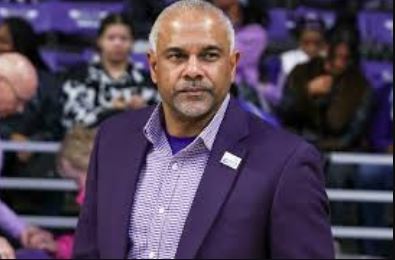
Jerome Tang has publicly and forcefully pushed back against the circumstances surrounding his dismissal at Kansas State University, delivering a pointed message that challenges the narrative attached to his abrupt exit.

Speaking in a statement to ESPN, Tang described his time in Manhattan, Kansas, as one of the defining chapters of his life, calling the opportunity to serve as head coach an “extraordinary honor.” But while his tone reflected deep appreciation for the program and its supporters, it also carried unmistakable frustration. Tang made it clear he does not agree—strongly—with how his termination has been characterized, signaling that the official explanation does not align with his experience or performance.
Tang arrived at Kansas State with high expectations and quickly became a respected figure within the Kansas State Wildcats men’s basketball program. Known for his energy, leadership, and player-first approach, he helped restore national relevance to a team navigating the unforgiving landscape of the Big 12 Conference. His tenure was marked not only by wins and postseason moments, but also by a culture shift that emphasized belief, accountability, and resilience.

That is why the manner of his departure has left many within the college basketball community stunned. Tang’s statement stopped short of detailing every point of disagreement, but the message was unmistakable: he believes the reasoning behind his firing misrepresents both his intentions and his impact. By going public, Tang chose not to quietly accept a narrative he feels is unfair—an uncommon but powerful move in a profession where coaches often retreat into silence.
“I poured my heart into this program,” Tang said in essence through his remarks, underscoring the emotional weight of the decision. He acknowledged the relationships built with players, staff, and fans, noting that those bonds will endure beyond any job title. At the same time, his words suggested a desire for accountability and truth, not just closure.
The fallout from Tang’s comments continues to ripple across the sport, sparking debate about transparency, expectations, and the growing pressures placed on coaches in today’s results-driven era. For Kansas State, the focus now turns to the future and the search for new leadership. For Tang, the message was clear: his story in Manhattan is not defined by how it ended, and he refuses to let his legacy be rewritten without his voice being heard.
One thing is certain—Jerome Tang’s response ensured that this coaching change will not be remembered as a routine transaction, but as a moment that reignited broader conversations about respect, narrative, and the human cost behind headline decisions in college basketball.