The Chicago Cubs came up short in their pursuit of Japanese starter Tatsuya Imai, and it is easy to imagine the front office now scrambling to reinforce the rotation. There are still several free agent pitchers available, but missing out on a second major target after also failing to land Dylan Cease has to sting. Pitching has clearly been the priority this winter, yet there are signs the Cubs’ focus could be shifting. In fact, Bo Bichette may now emerge as the most significant free agent possibility on their radar.
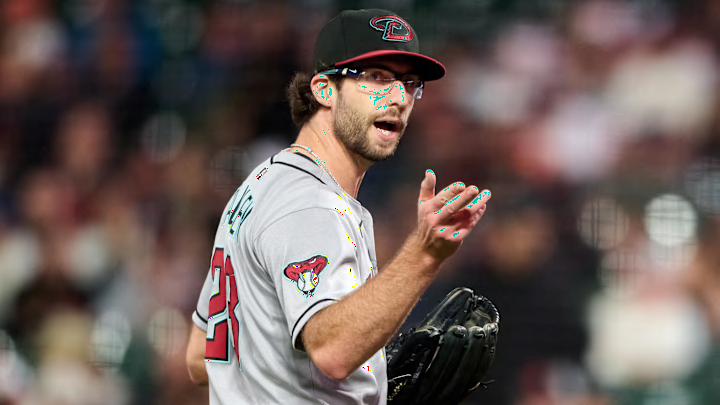
Among the remaining top-tier starters, Ranger Suárez and Framber Valdez stand out, though there has been little recent buzz connecting either left-hander to Chicago. That said, surprises do happen. The Houston Astros were barely mentioned in Imai rumors before ultimately signing him, so nothing can be ruled out. Zac Gallen also remains unsigned, despite Bob Nightengale’s early December report that prematurely linked him to the Cubs. Chicago has shown interest in Gallen before, so a deal there is still conceivable.

If the Cubs decide Gallen is not worth a contract north of $20 million per year and instead turn to the trade market for a controllable starter, their payroll would stay comfortably below the luxury tax threshold. That scenario could make a splashy offensive addition like Bichette far more realistic. For a team that finally snapped its playoff drought in 2025 but still needs lineup upgrades, the appeal is obvious.
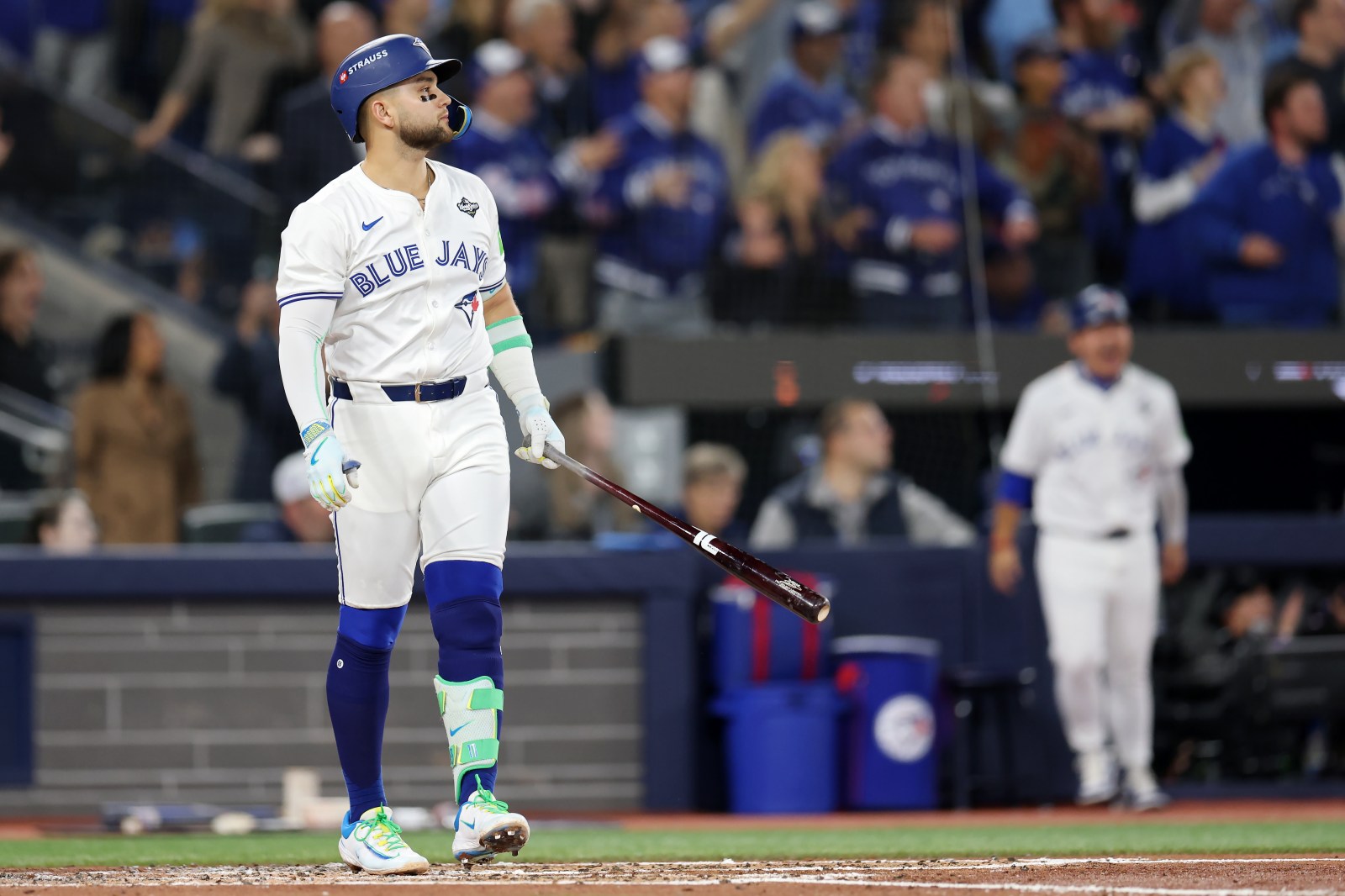
Recent Bichette buzz comes from Jon Heyman, who reported that the free agent shortstop has drawn interest from several heavyweight teams. Bichette reportedly told clubs earlier in the offseason that he is open to moving off shortstop and playing second base. Heyman later added that three previously unreported teams have checked in on Bichette: the Yankees, Dodgers and Cubs.
Naturally, questions arise about how Bichette would fit in Chicago’s infield. Dansby Swanson is entrenched at shortstop, Nico Hoerner has excelled at second base, and Matt Shaw showed promising development after the All-Star break. Still, there is a plausible path. Hoerner has one year remaining on his extension and is set to hit free agency after the 2026 season. While the Cubs are not actively shopping him, they have reportedly taken calls from teams eager to acquire his services.
If Hoerner were moved, Bichette could slide into second base, giving the Cubs a 27-year-old middle infielder still firmly in his prime and coming off the best full season of his career. His defense would not match Hoerner’s elite level, but his bat could more than compensate.
The larger question is whether the Cubs are willing to commit long term. They did so with Swanson, an imperfect free agent due to offensive inconsistency, and Bichette could represent a similar leap of faith, albeit with a far more established track record at the plate.
Loose connections between the Cubs and Bichette date back to the 2022–23 offseason, though nothing materialized at the time. Now that Bichette is a free agent, the noise has grown louder. Jon Morosi of MLB Network noted that teams with established shortstops are still showing interest in Bichette because of his willingness to move positions. That description easily applies to Chicago.
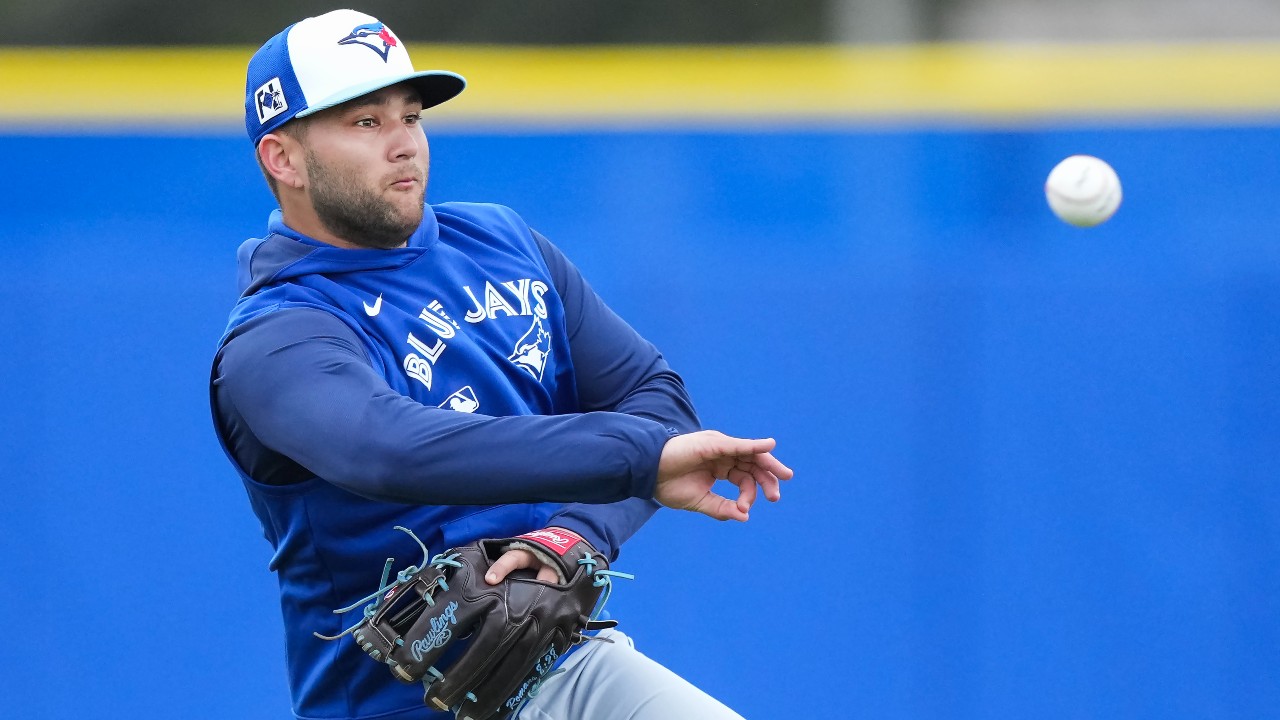
Bichette has already demonstrated some versatility, returning from injury in the World Series against the Dodgers and logging time at second base. At 28, he is now drawing interest from teams beyond his natural shortstop role. While it is still early in free agency and no concrete Cubs-Bichette link has emerged this winter, the storyline bears watching as the offseason unfolds.
Part of the intrigue stems from Bichette’s consistent offensive production. Aside from an injury-plagued 2024 season, he has hit at a high level every year of his career. In 2025, he posted a career-best 134 wRC+ with a .311/.357/.483 slash line and 18 home runs in 138 games. Even after missing the final weeks of the regular season with a knee sprain, he returned for Game 1 of the World Series and reestablished his value.
Year by year, Bichette’s offensive resume speaks for itself. In 2019, he hit .311/.358/.571 with a 143 wRC+ in 46 games. He followed with a 120 wRC+ in 2020, then posted marks of 122, 129 and 124 from 2021 through 2023. His down 2024 season came in just 81 games, while 2025 reaffirmed his status as one of the league’s better right-handed bats.
Defensively, however, concerns are unavoidable. Bichette has graded as one of the weakest defensive shortstops in baseball, finishing last among the position in defensive runs saved and outs above average in 2025. That reality makes a full-time move away from shortstop almost certain, whether to second or third base.

Ultimately, the biggest hurdle may be financial. Bichette is expected to be paid like a shortstop, regardless of where he plays, and that premium could give the Cubs pause. Jim Bowden has projected a seven-year, $189 million deal, a significant commitment for a team that has prioritized defense and roster balance in recent years.
Still, the idea is undeniably intriguing. Previous rumors linking Bichette to Chicago give fans something to consider, even if the odds remain long. As free agency progresses, the Cubs’ next move will reveal whether this is merely offseason speculation or the beginning of a bold new direction.