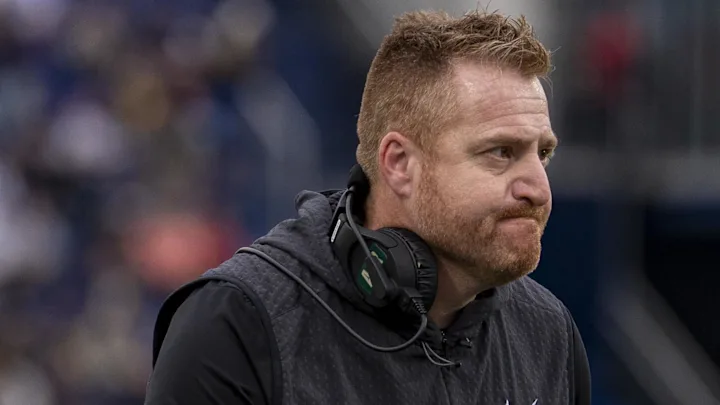
The offseason at Auburn Tigers football has taken on a noticeably different tone since the arrival of new head coach Alex Golesh, and that shift is already being felt inside the program. After a stretch of uneven performances in recent years, Auburn entered the new era searching not just for roster improvement, but for a complete cultural reset. The early signs suggest that change is being driven less by words of comfort and more by a demand for accountability from the very beginning.
Across the building, the message has been consistent: standards are being raised immediately, and there will be little room for hesitation or comfort. Auburn’s roster is in a transitional phase, with players adjusting to new expectations, new systems, and a new level of intensity. In modern college football, where roster movement and quick fixes are common, Golesh appears intent on building something that lasts—something rooted in toughness rather than shortcuts.
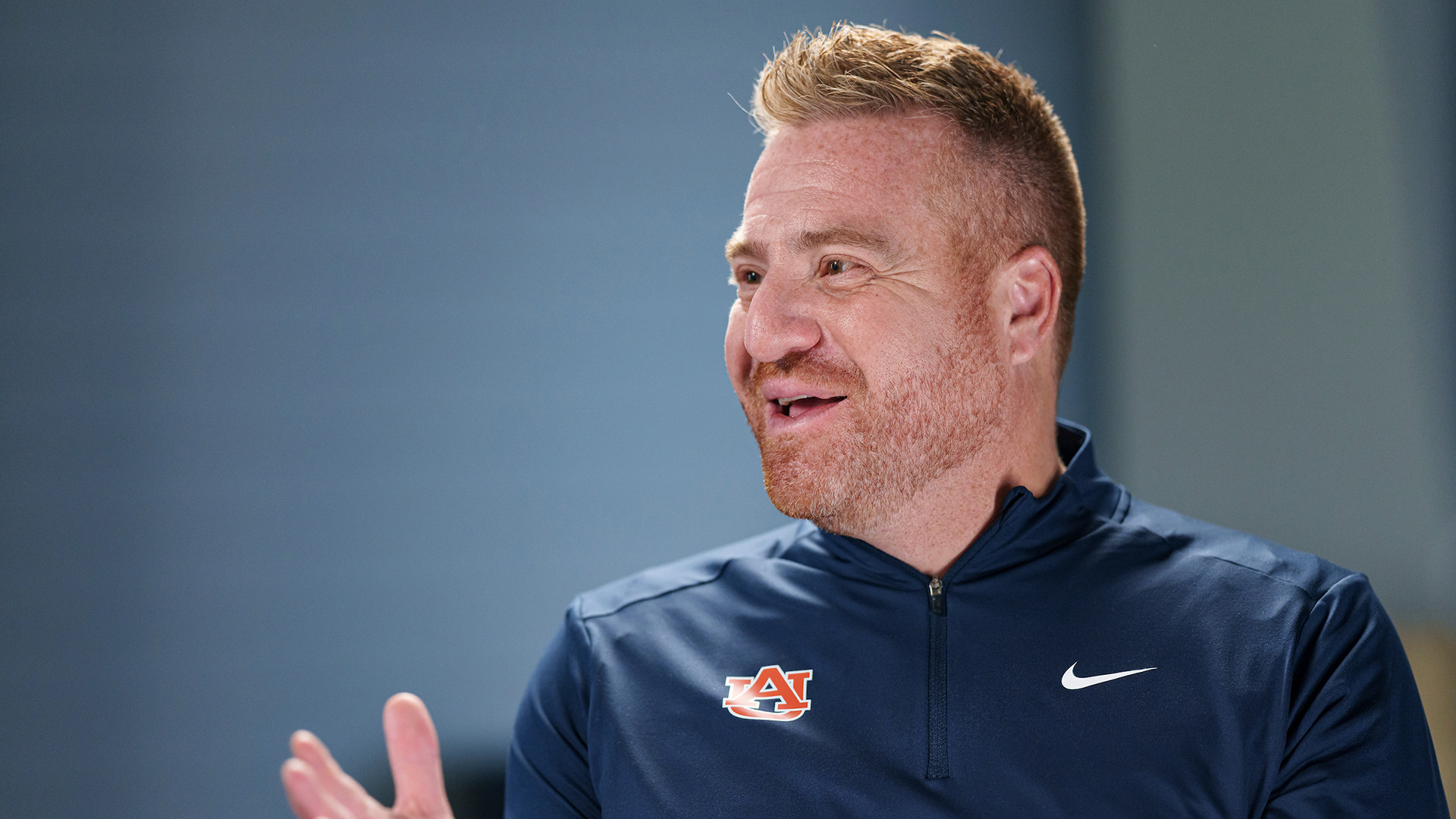
That mindset became crystal clear when Alex Golesh addressed players with a brutally honest assessment of what was ahead. Rather than easing into the role or offering gradual transition language, he made it clear from the start that the process would be demanding in every sense. His message was direct, intentional, and designed to separate those willing to buy in from those who might struggle with the level of pressure to come.
“There were certain kids that you knew were going to try to run away from it because I didn’t hide what it was about to be,” Golesh said. “I went into it very upfront with them, that this is about to be the hardest thing you have ever gone through in your life — physically, mentally and emotionally — and we’re going to make it so hard that when you come out of it, you’re going to be uber confident that we can win football games.”
That statement has quickly circulated as one of the defining early moments of his tenure, setting the tone for what Auburn football is expected to become under his leadership. It reflects a philosophy centered on pushing players beyond their perceived limits, not just in strength and conditioning, but in mental resilience and competitive edge. For returning players, it signals that past standards will not be enough moving forward.
Within the program, that kind of messaging often has an immediate impact on how offseason workouts, meetings, and evaluations are approached. Players are being challenged to respond not just physically, but mentally, with consistency and effort becoming key evaluation points. While some may find the adjustment difficult, the staff’s belief is that sustained pressure is what ultimately builds cohesion and trust in high-pressure moments during the season.
For Auburn, the broader goal is clear: transform a team that has shown flashes of potential into one that can sustain success through discipline and identity. The early phase of Golesh’s tenure is less about comfort and more about establishing a foundation that can withstand adversity later in the year. If the message holds, the Tigers’ offseason won’t just be about preparation—it will be about redefining what the program is willing to endure in order to win.