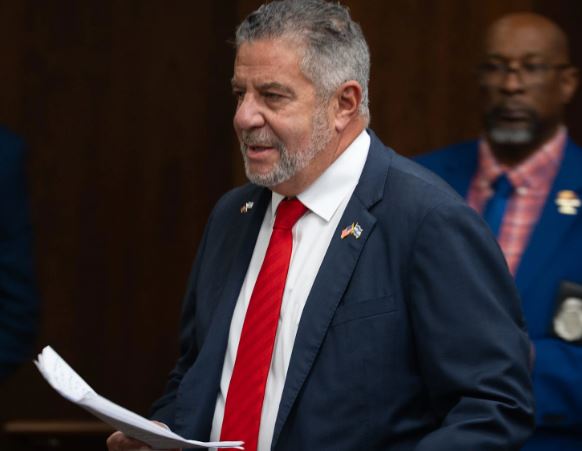
Legendary retired Auburn Tigers head basketball coach Bruce Pearl has been one of the most talked-about voices of March Madness this year in his role as an analyst for CBS Sports. That attention intensified after his comments suggesting that Hubert Davis deserved more loyalty from the North Carolina Tar Heels before being fired—remarks that many initially interpreted as a subtle jab at Auburn and the circumstances surrounding Pearl’s own coaching exit.

Pearl moved to clear the air Friday during an appearance on The Next Round Live, explaining that his comments were actually directed at Tennessee, not Auburn. With that clarification, the situation made far more sense. Had the story ended there, it likely would not have drawn much additional attention. Instead, Pearl escalated matters by revealing he had created a personal media “blackout list” and would no longer engage with outlets he believed used clickbait to misrepresent his words.
That decision prompted a sharp response from Awful Announcing writer Sam Neumann, who acknowledged the validity of Pearl’s broader point while strongly criticizing him as the messenger. Neumann also took issue with the idea of a blacklist, noting that some outlets were simply quoting Pearl’s remarks verbatim.
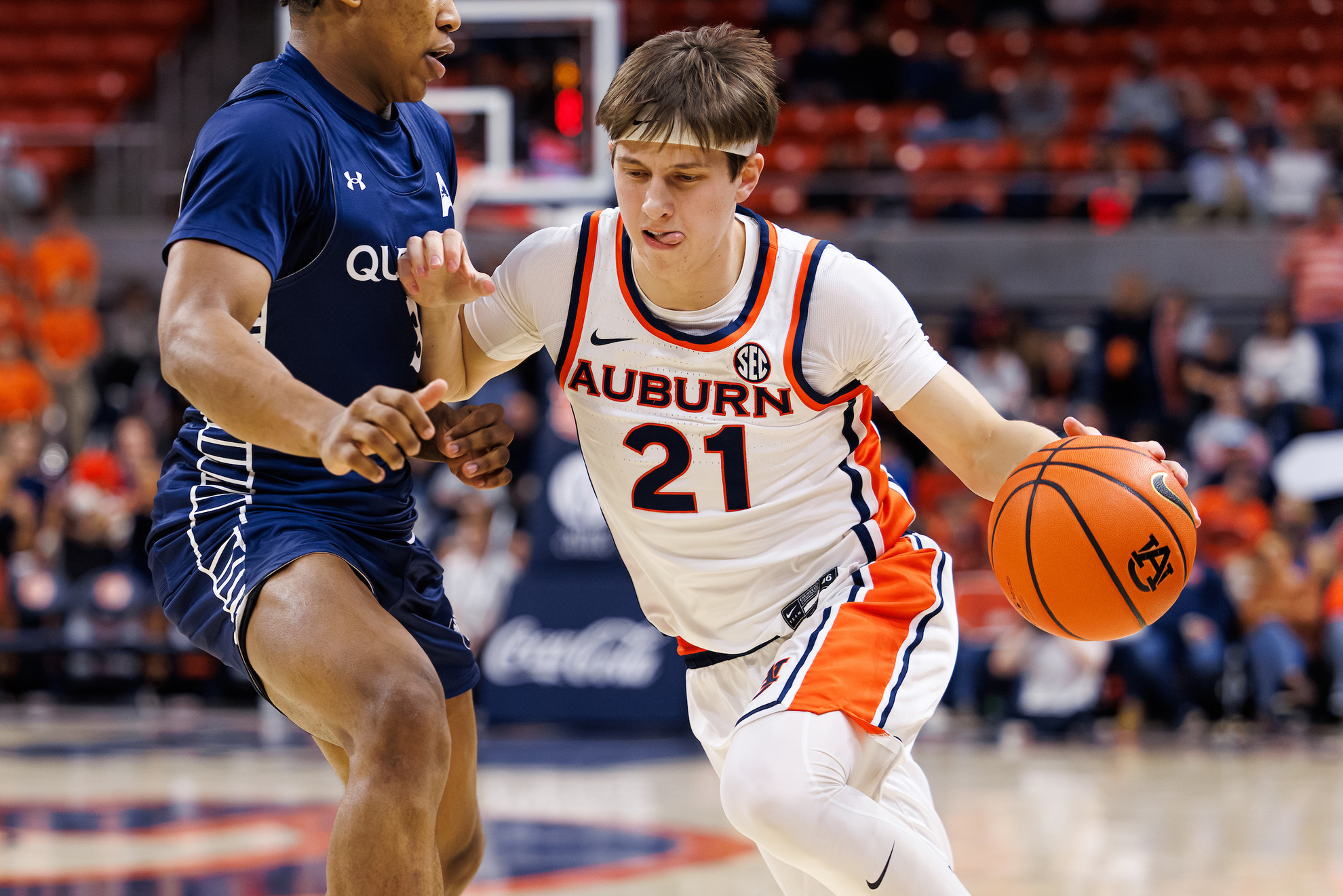
Neumann argued that Pearl’s observations about the NIL era were fair, emphasizing that it has fundamentally reshaped the relationship between coaches, players, and programs in ways few could have predicted. From that perspective, Davis—an alumnus who gave years to North Carolina before returning as head coach—could reasonably have been afforded more patience. Still, Neumann contended that those arguments land differently when delivered by someone whose most prominent coaching exit followed admissions of misleading NCAA investigators, and who responds to predictable media coverage by publicly tracking perceived slights.
What remains undeniable is Pearl’s effectiveness as a television personality. He commands attention, and nearly every soundbite he delivers during prime-time NCAA Tournament broadcasts is quickly amplified. Whether intentional or not, the controversy keeps him firmly in the spotlight.
In many ways, it feels calculated. By absorbing the criticism himself, Pearl diverts attention away from others connected to him while ensuring he remains the focal point of the conversation. His willingness to be polarizing—advocating fiercely one moment, then speaking vaguely enough to fuel headlines the next—keeps the media cycle spinning and cements his relevance.
At this point, it seems less like coincidence and more like strategy. Pearl has mastered the art of modern sports commentary, where controversy equals currency. The fact that the basketball world still reacts so strongly to his words proves his influence has not faded. While figures like Mike Krzyzewski and Roy Williams have largely stepped away from the spotlight, Pearl remains omnipresent. Whether he ever returns to coaching or transitions into another high-profile leadership role, one thing is clear: Bruce Pearl has become exceptionally good at this new phase of his career.