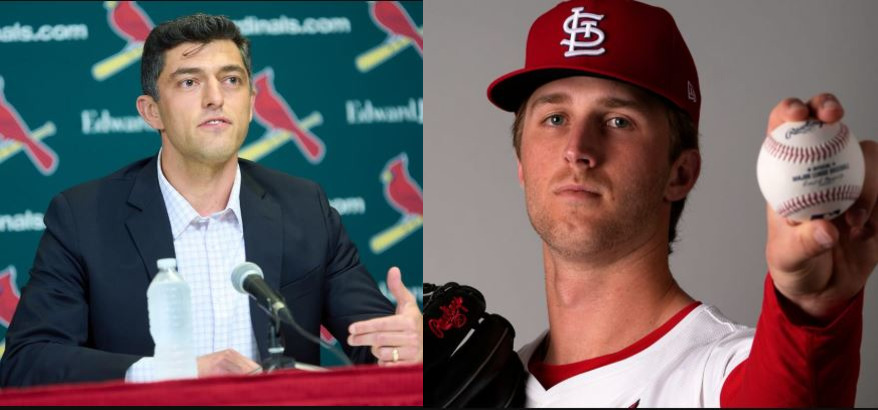
The St. Louis Cardinals appear to be emerging from the rut that defined the final years of John Mozeliak’s leadership. With Chaim Bloom now providing a clearer long-term vision aimed at restoring the club’s competitiveness within the next few seasons, there is a growing sense of optimism as the organization continues its rebuild.
As the franchise leans further into youth development and emphasizes building its next foundational core through scouting and player progression, the spotlight will remain on the farm system. Expectations were high for Quinn Mathews, one of the organization’s most promising young arms heading into 2025, especially after he posted a 2.76 ERA across four minor league levels in 2024. However, his follow-up season did not unfold as hoped. After missing more than a month with shoulder soreness, Mathews finished last year with a 3.73 ERA at Triple A Memphis and struggled significantly with his command, issuing 74 walks in 99 innings.
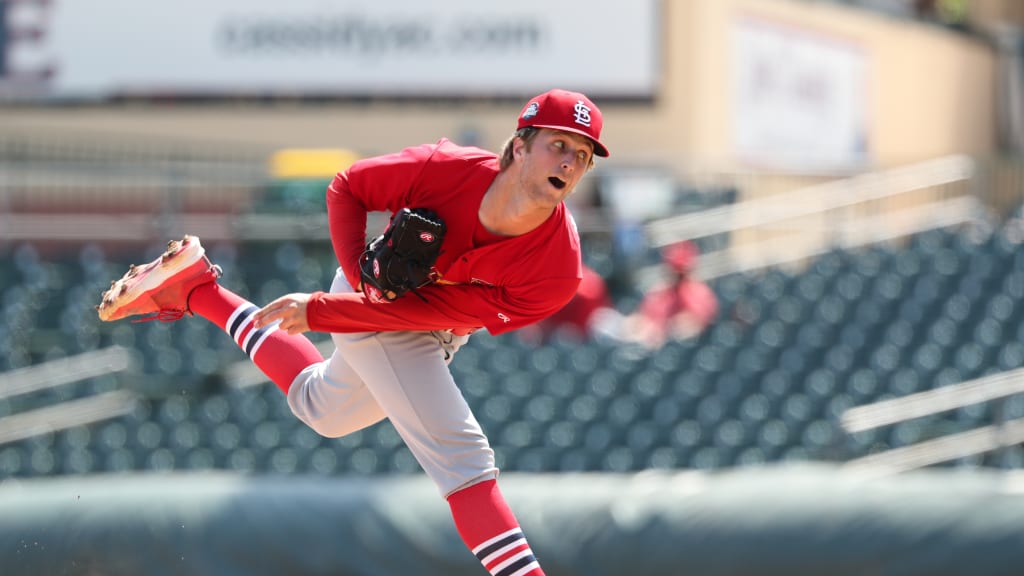
Bloom views those challenges as an opportunity for growth rather than a setback.
During an interview with KSDK, Bloom was asked how he evaluates Mathews at this stage of his development. The new president of baseball operations acknowledged the inconsistencies but emphasized that the difficulties could ultimately benefit the young pitcher.
“It’s not the worst thing in the world for a young player to bleed a little bit in the minor leagues. They are going to fail at some point in their careers. Very few guys get to the big leagues without experiencing some form of failure, and a lot of those who do then experience failure for the first time in the big leagues. The question is always ‘How do you respond? How do you learn from it?’ I think he learned some tough lessons in 2025.”

Even though Mathews advanced quickly through the system in 2024, there is no certainty that Bloom views him as a long-term rotation mainstay. Mathews was drafted under Mozeliak’s traditional approach, which often favored pitchers with strong command but lower ceilings who projected more as back-end starters. Bloom may evaluate Mathews differently, and if he concludes that the left-hander is not the type of arm likely to thrive, he could explore moving Mathews in a trade.
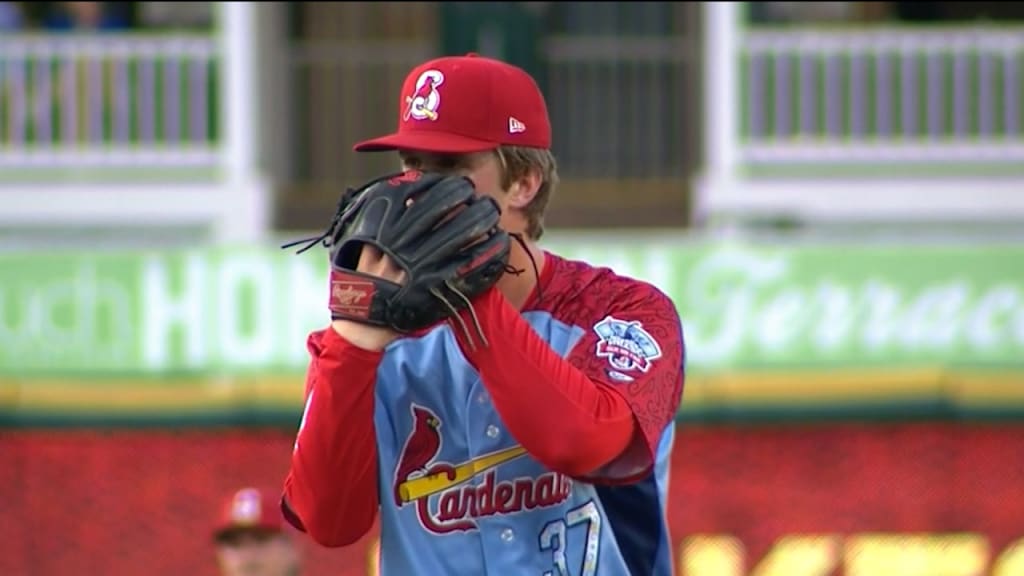
If Bloom chooses to keep him and Mathews ultimately reaches St. Louis in 2026, the lefty could become an important part of what will likely be a makeshift starting rotation. Provided he stays healthy, the coming season will reveal how he responds to the setbacks he encountered in 2025 and whether those lessons help him develop into a more refined and effective pitcher.