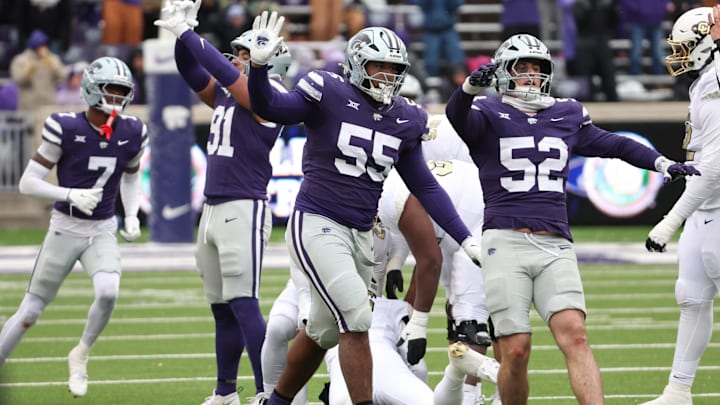
For years, the spring game served as a symbolic bridge between seasons for college football programs across the country. It was more than just a scrimmage. It was a celebration of progress, a glimpse into the future, and a chance for fans to reconnect with their team after months away from the stadium. At Kansas State, the annual spring game once carried that same energy, drawing loyal supporters eager to see rising stars, position battles, and the early identity of a new roster.
But times have changed.
Across college football, many programs have begun rethinking the traditional spring game model. Concerns about roster depth, injury risk, and the overall value of a public scrimmage have reshaped how coaches approach the offseason. Some schools now host controlled showcases or skills competitions. Others have eliminated public spring events altogether in favor of closed practices that maximize development while minimizing exposure.
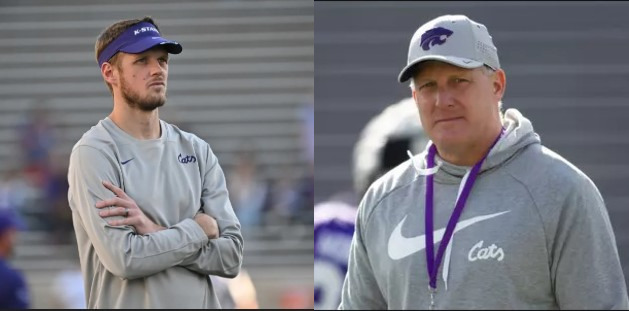
Kansas State quietly joined that shift under former head coach Chris Klieman, who discontinued the Wildcats’ annual spring game during his tenure. And now, with Collin Klein stepping in as the program’s new leader, it appears that decision will remain in place — at least for the foreseeable future.
When asked whether he would consider reviving the spring game — the same event he once participated in as a quarterback at Kansas State from 2008 to 2012 — Klein offered a direct response.
“I really don’t think so,” Klein said in an exclusive interview. “I’m leaning away from that right now.”
His reasoning centers on practicality and long-term development.
“From a depth standpoint and from a potential injury standpoint, I don’t think it’s in our best interests,” Klein explained. “We’re also at a point right now where I’m trying to take advantage of every practice opportunity we have to get better.”
Instead of staging a public scrimmage, Klein confirmed that Kansas State will conduct 15 full spring practices. That marks a noticeable shift from last year, when Klieman elected to hold only 10 spring sessions. At the time, Klieman prioritized additional strength and conditioning work as the Wildcats prepared for the 2025 campaign. His unexpected retirement in December accelerated the transition, with Klein quickly hired to guide the next era of the program.

The broader trend across college football suggests Kansas State is not alone. Programs nationwide have reduced or eliminated spring games, favoring formats that limit contact and protect roster health. For teams navigating depth concerns or rebuilding phases, every healthy rep matters.
Still, the idea of a spring game hasn’t completely faded from conversation in Manhattan. Each year, speculation resurfaces among fans who hope the tradition might return. Klein’s own background adds intrigue to that discussion. He once coached in spring games as a young assistant under Bill Snyder and even called plays in recent spring contests at Texas A&M.
Those experiences naturally prompted some to wonder whether he might bring the event back to Kansas State.
It may not be off the table forever. But for now, Klein’s focus is clear. Development, depth management, and player health take priority over pageantry. And at least this spring, fans should not expect the return of a traditional spring game in Manhattan.