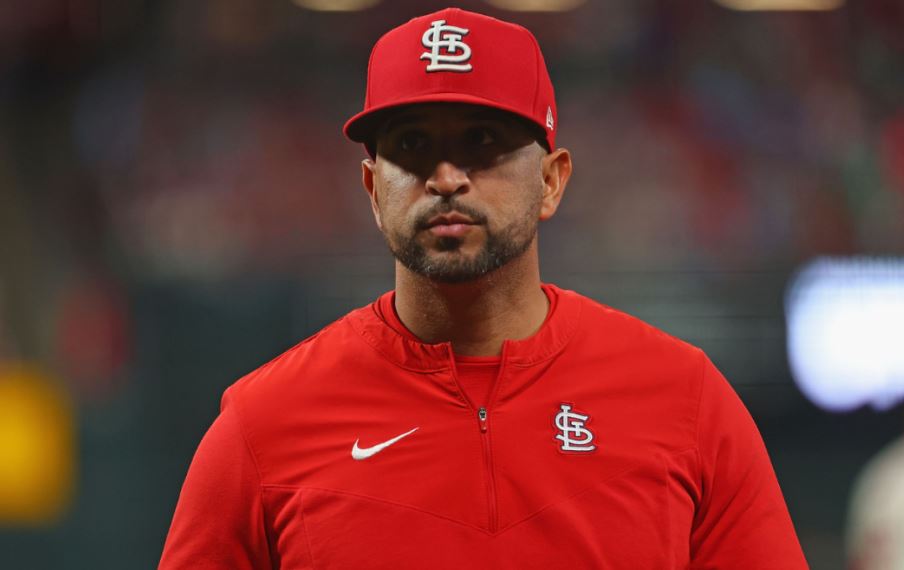
Skip Schumaker’s Texas Triumph
The recent signing of Skip Schumaker by the Texas Rangers creates serious concerns for the St. Louis Cardinals. After parting company with longtime manager Bruce Bochy, the Rangers quickly turned their attention to Schumaker, a former Cardinals infielder who most recently managed the Miami Marlins. His hiring ushers in a new era for the Rangers, as he becomes the franchise’s 21st manager.
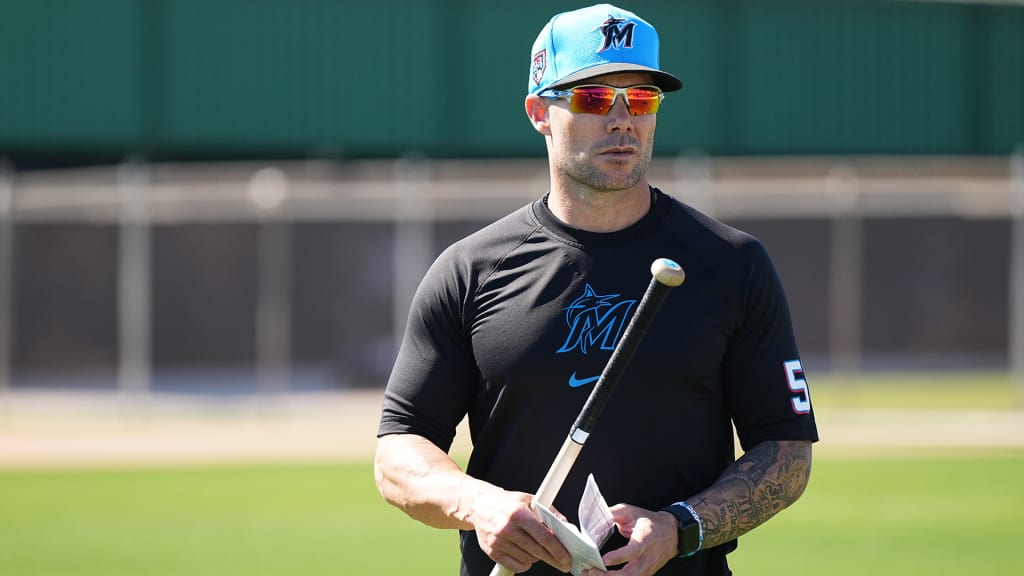
A New Era for Schumaker
Schumacher’s trip has been spectacular. After being chosen by the Cardinals in 2001, he had eight successful seasons as a player. Following his playing career, he moved into coaching, serving as the Cardinals’ bench coach from 2021 to 2022, when the club made the playoffs both seasons. His recent job as a senior counselor in the Rangers’ front office provided him with important insights into the company.

Schumaker indicated enthusiasm for taking over in Texas when he was hired. “I am honored and excited for this opportunity to manage the Rangers,” he told me. He stressed the depth of his expertise of the organization from his previous post, citing productive meetings with Rangers leadership that sparked his interest in leading the team.

Strategic oversight, or a missed opportunity?
Schumaker’s resignation is an important period of reflection for the Cardinals. While current manager Oliver Marmol has received both criticism and admiration in his four years in charge, many fans and pundits question if the Cardinals missed an opportunity to bring back a familiar face who has shown his worth.
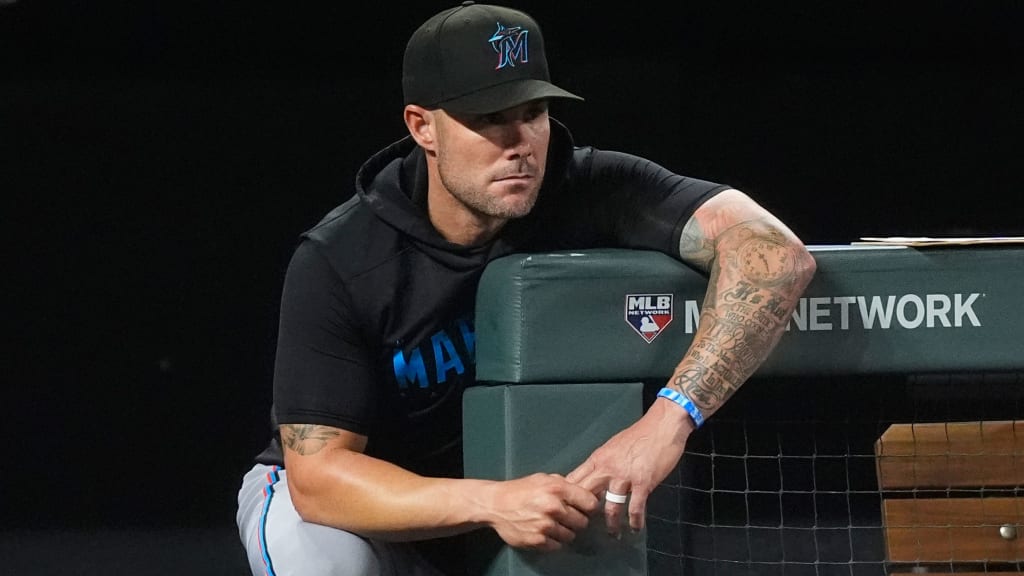
Schumaker’s accomplishment with the Marlins is significant; he guided a club that many considered mediocre to the postseason in 2023. However, his tenure ended suddenly in 2024, amid a contentious front-office sell-off, raising questions about his future. Had the Cardinals pursued Schumaker more actively, he could have welcomed the opportunity to head his old team, especially given their present direction.
/cdn.vox-cdn.com/uploads/chorus_image/image/71542709/1407577661.0.jpg)
Now that Schumaker has signed a four-year contract with the Rangers, it is doubtful that he will return to St. Louis anytime soon. This circumstance puts the Cardinals in a perilous position, especially as they prepare for a rebuild. The choice not to sign Schumaker might be a long-term regret for the organization, particularly if they decide to break ways with Marmol in the future.

Looking forward.
As the dust settles on Schumaker’s hire, the consequences will be felt across the Cardinals organization. The organization will have to consider its future orientation, particularly if it wants to recover its competitive status in Major League Baseball. The issue of whether they squandered a wonderful chance with Schumaker persists, forcing supporters to debate their actions and the path ahead.

In baseball’s ever-changing environment, decisions taken today will determine the storylines of tomorrow, both in Texas and St. Louis. The stakes are huge, and only time will tell the full extent of this management transformation.