
In a season filled with highs and unpredictable challenges, one of the most gut-wrenching moments for the North Carolina Tar Heels men’s basketball team came in the ACC Tournament quarterfinal loss to Clemson, a game that saw the Tar Heels fight all the way back only to fall short by a single point. In the aftermath of that defeat — one that felt especially devastating given the effort, the late surge, and the final shot that just didn’t fall — junior big man Henri Veesaar delivered an emotional and candid message to the UNC fan base that resonated beyond the final score.
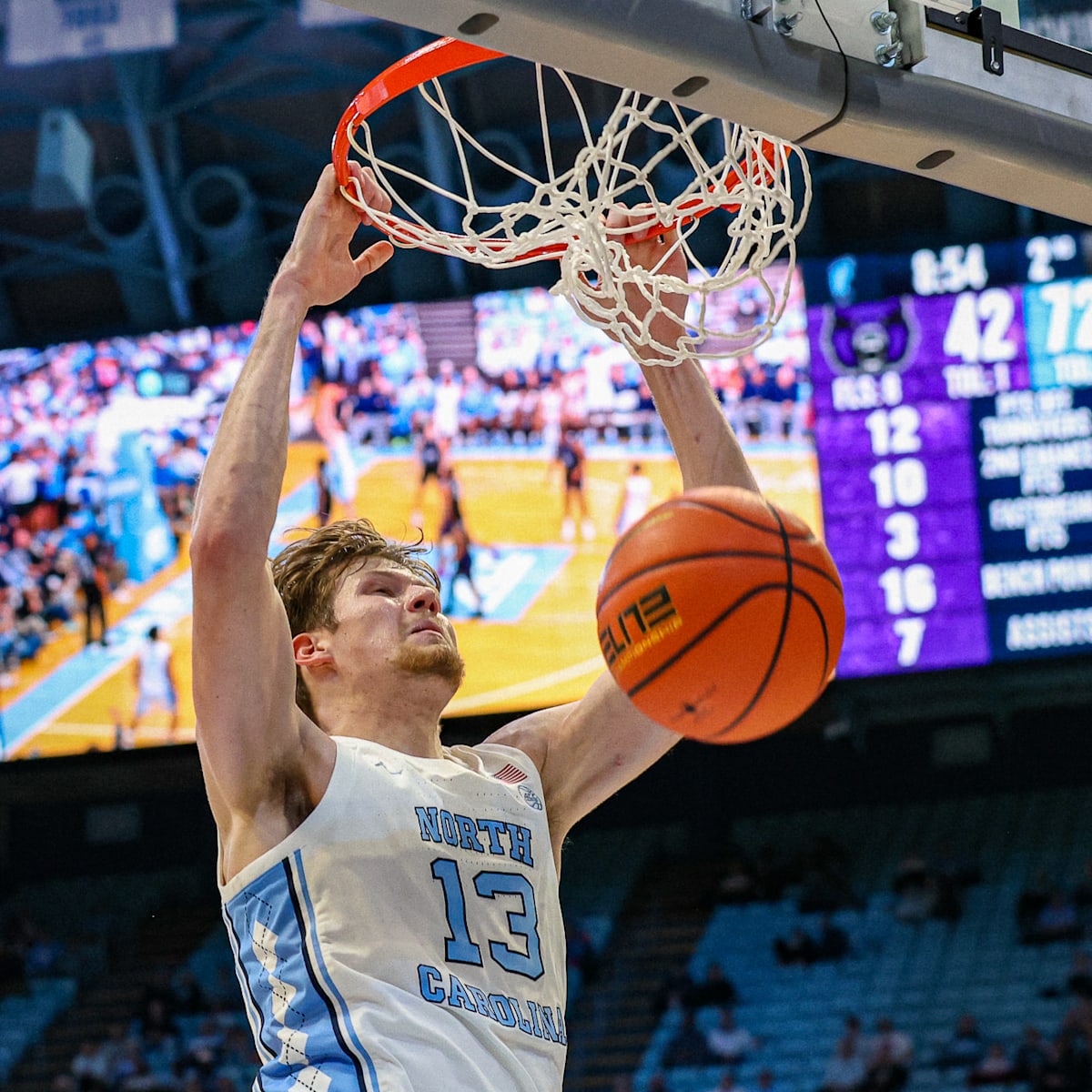
For many teams, a loss like that might be brushed off with a generic nod to “next game”; Veesaar’s response was notably more honest and heartfelt. In speaking with the media after the game, he didn’t deflect, dodge, or sugarcoat what had happened. “Pissed off. Sad. Disappointed,” he said — emotions that many fans likely felt but few players would openly admit. What made his message particularly impactful was not just the blunt expression of frustration, but the ownership and empathy he showed toward the fan base, recognizing the emotional investment that supporters put into every minute of the Tar Heels’ season.
Veesaar didn’t just acknowledge the feelings; he articulated them in a way that connected directly to the broader experience of being part of the UNC community. He clearly understood that fans invest not just cheering voices but hope, time, and travel — often watching through heartbreak and joy alike. By validating those feelings, he gave voice to a collective disappointment felt across Chapel Hill and beyond.
Rather than deflecting blame or offering an empty motivational catchphrase, Veesaar spoke truthfully about what went wrong and what the loss felt like. That level of candor from a team leader — particularly one brought in from another program — showed a level of accountability that few players embrace publicly. While his initial reaction was raw emotion, the subtext of Veesaar’s statement was unmistakably forward-looking: we can be better, and we owe it to ourselves and our fans to prove it. In doing so, he set the tone not just for healing from this setback, but for approaching the postseason with the kind of focus that fans desperately want to see.
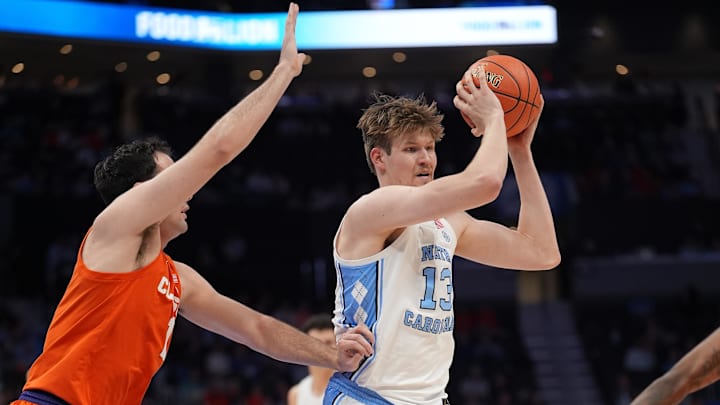
Veesaar’s message didn’t come in isolation; it came after a campaign that saw him become one of the most central figures in UNC’s lineup. With key contributors like Caleb Wilson sidelined due to injury, Veesaar was forced into a starring role, shouldering increased offensive responsibility and leadership duties. His performance against Clemson — a career-night scoring 28 points and hauling in 17 rebounds — was a testament to that expanded role, even if the result ultimately wasn’t what the team hoped for. That context makes his message to fans even more compelling: this isn’t a player just passing through Chapel Hill, but someone who has felt the weight of those blue and white jerseys, and who wants to honor the passion of the fans who have embraced him.
In college basketball, where student-athletes are often shielded from deep emotional connection with the fan base for fear of controversy or distraction, Veesaar’s openness stands out. It humanizes the team — fans don’t want robotic postgame platitudes, they want honesty. It reinforces leadership — he wasn’t defending a performance; he was acknowledging it and inviting reflection. And it strengthens the bond with fans — by speaking for what many felt but few might say, he bridged the gap between player and supporter.
As the Tar Heels pivot toward the NCAA Tournament, the emotional weight of that Clemson loss and Veesaar’s response will likely linger — not as a burden, but perhaps as fuel. His words were raw, real, and rooted in respect for the fans who stand by their team through thick and thin. That level of emotional intelligence — paired with elite athletic ability — is the kind of leadership that can elevate a program, even after stinging defeats.
For UNC fans everywhere, Veesaar’s message was more than a post-loss quote — it was a reminder that the game is about more than the final score. It’s about heart, connection, and the collective journey of a program and its supporters.