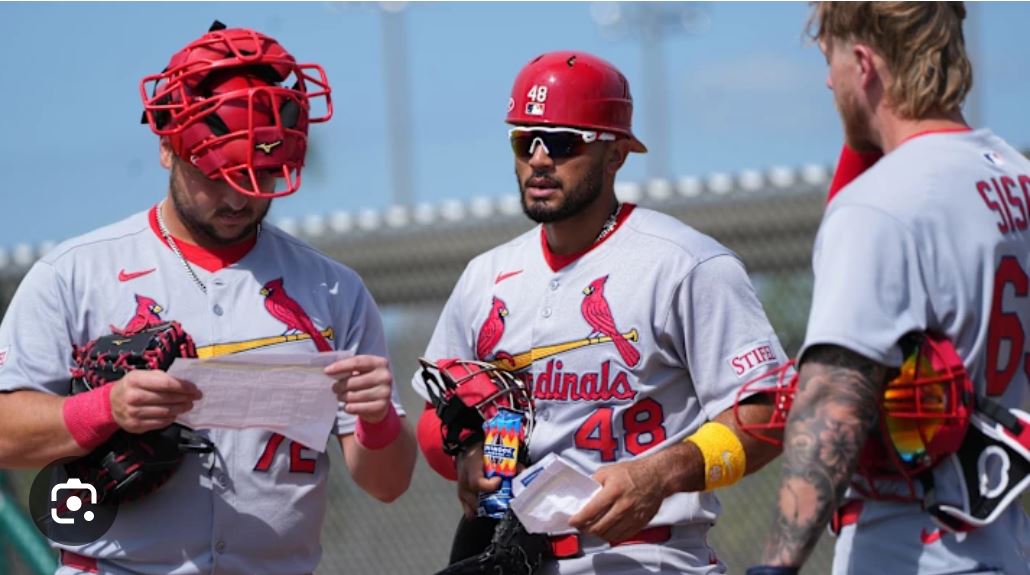
The San Diego Padres found a stopgap in Freddy Fermin, but that doesn’t mean they found a permanent solution. That is the essence of San Diego’s offseason puzzle. A.J. Preller patched 2025 with a midseason deal for Fermin, and the veteran provided good at-bats and consistent game management. However, if the Padres are serious about contending in 2026, they will need more than just “competent.” They need a catcher who can steal strikes, slow down the run game, withstand 110-120 starts, and provide genuine oxygen to the bottom portion of the lineup. Fermin helped steady the room but did not fix it. (He hit.244/.278/.339 in 42 games with San Diego.)
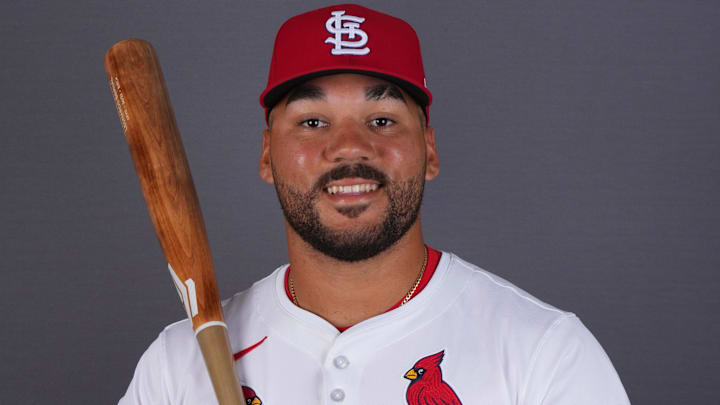
Meanwhile, the remainder of the catching group has increased the urgency. Luis Campusano’s few MLB appearances never converted into consistent production or defense, and his 2025 spell was so poor that he was shuttled back and forth to El Paso; at one time, he was 0-for-18 in the majors. Top prospect Ethan Salas still appears to be a future pillar, but a back ailment eliminated important development reps this year, casting doubt on any 2026 aspirations. With Martín Maldonado set to retire and Elías Díaz on a one-year contract with a mutual option in 2026, it’s evident that San Diego should actively seek catching talent.
What Cardinals’ trade rumblings mean for Padres’ backstop puzzle
Enter the St. Louis Cardinals, where a familiar rumor is circulating. The Cardinals have significant catching depth, and according to Derrick Goold of the St. Louis Post-Dispatch, other teams are already asking about it. That is consistent with what they accomplished down the stretch: they carried many backstops and even survived injuries by promoting from within, a luxury that San Diego does not now have. The short version is that the Cards are well-positioned to deal with surplus, and the Padres are exactly the type of bidder who should be first in line.

So, who are the best fits? Start with Iván Herrera. He’s pre-arb, has been under team control for years, and has showed major-league potential while playing catcher and designated hitter. For a Padres team looking to expand its lineup without spending more money, that combination — bat-to-ball ability, cost control, and enough glove to partner with Fermin — checks a lot of boxes. The sticker price will not be cheap, but impact and control are usually expensive, and Herrera provides both.

If St. Louis wishes to keep Herrera, Pedro Pagés fits a different profile: defense-first, with catch-and-throw steadiness and enough contact ability to keep the line moving. He is also pre-arb. And, if the Padres want to purchase low on a depth component, Yohel Pozo, who has bounced between Triple-A and the majors, might be the third-catcher safety net San Diego has been missing in 2025. None of these names are superstars, but pairing one with Fermin would raise the bar and presumably increase the staff’s comfort.
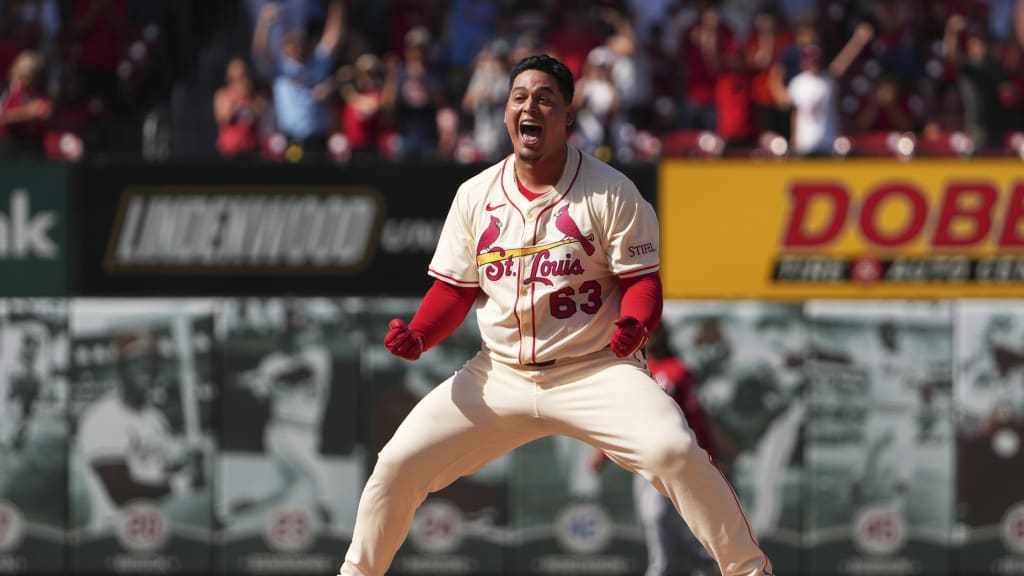
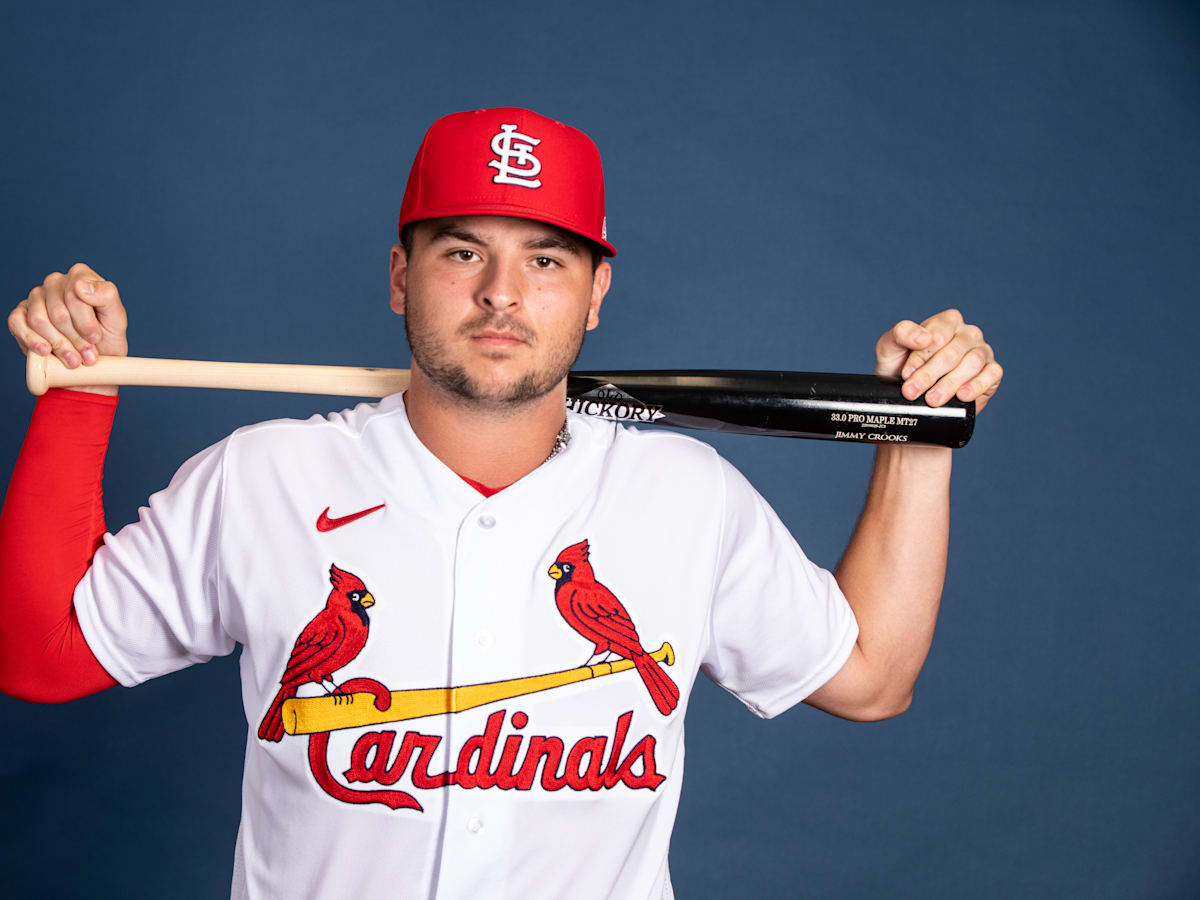
Jimmy Crooks and Leonardo Bernal are two younger names that confound the market calculus. Crooks advanced to the majors after being named the organization’s Minor League Player of the Year in 2024, while Bernal is currently a top-100 prospect with outstanding arm stats in the upper levels. That combination — Crooks’ recent MLB appearance and Bernal’s growing industry stock — implies St. Louis will be hesitant to move either, making Herrera/Pagés/Pozo more likely trade candidates.
How might a transaction look like? The Cardinals won’t only shed payroll; they’ll also look for skill that matches their overall requirements. Could they consider pairing a catcher with a more expensive veteran in a larger framework? Maybe — but that’s more theory than reporting, and St. Louis has no need to attach premium prospects just to shift money. For the Padres, the simplest approach is to pay a reasonable prospect price for a controllable backstop and fix a position that has been in flux. The rumor mill claims the catchers are available, but the standings show San Diego can’t afford to wait. For once, necessity and opportunity could be in the same location.