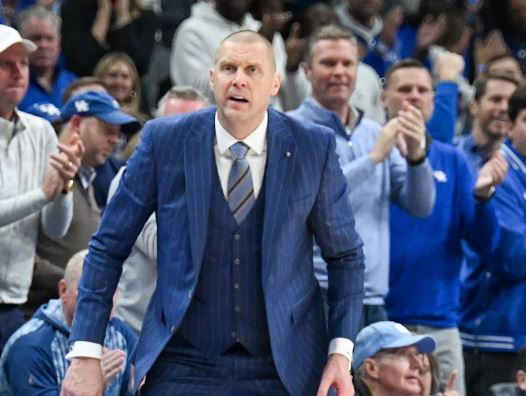
Last season, Mark Pope struck gold. Despite a roster pieced together through the transfer portal and plagued by injuries that limited its ceiling, he guided his team to a Sweet 16 run. Along the way, they defeated a record eight AP Top-15 opponents, including wins over Duke, Tennessee, and eventual national champion Florida. Pope’s team played at a relentless pace, thriving offensively with freedom and explosiveness, even as defensive shortcomings lingered. Critics argued that style could never win a national title. They wanted a different formula — more athleticism, more physicality, less finesse. But as the saying goes, switching horses midstream rarely ends well.
Kentucky basketball’s season teeters as Mark Pope searches for answers with a flawed roster
When the offseason arrived, Pope listened. He pivoted away from his trademark emphasis on shooting and spacing, diving into the transfer portal in search of size and strength. He added Mo Dioubate and Jayden Quaintance to join Brandon Garrison — three interior-focused bigs who operate almost exclusively on the block and in pick-and-roll actions, with little perimeter shooting to speak of.
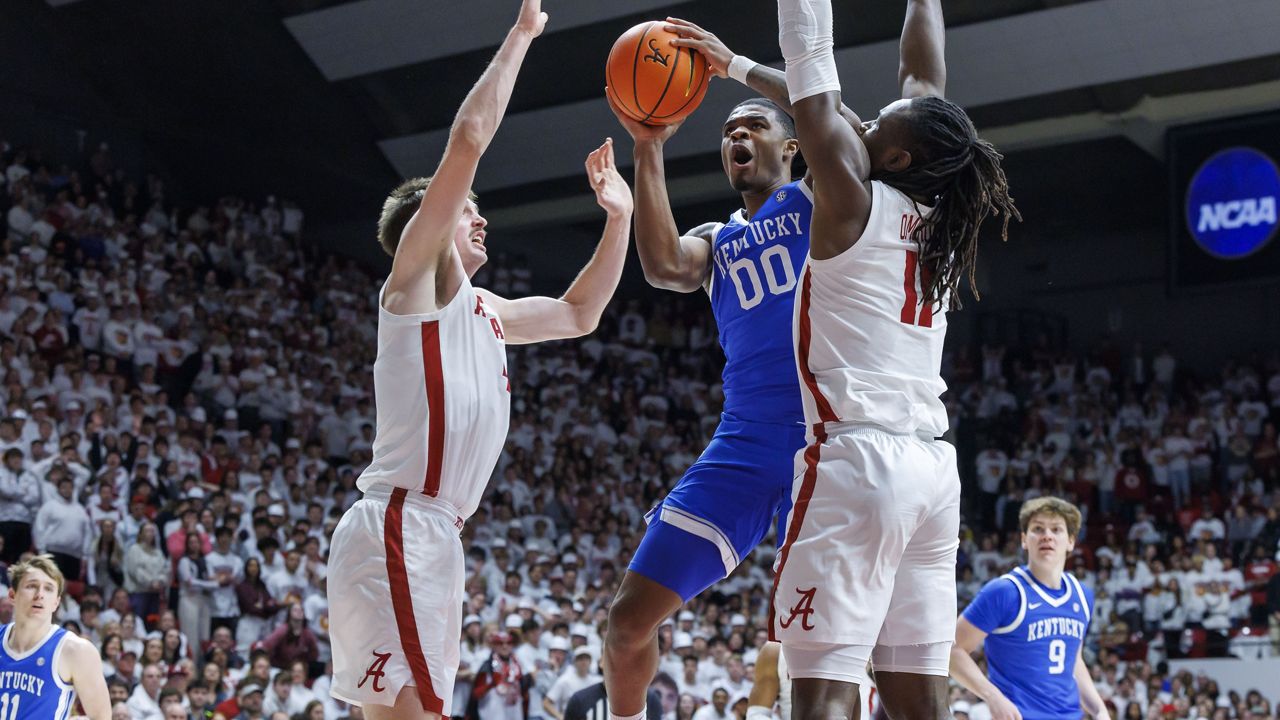
He doubled down by recruiting Malachi Moreno, another low-post scorer. That left Kentucky with four primary forwards and centers who all play essentially the same role. Trent Noah and Andrija Jelavic offer alternatives, but neither is a regular in Pope’s rotation, and while Jelavic has slightly more range than the others, he’s far from a proven perimeter threat.
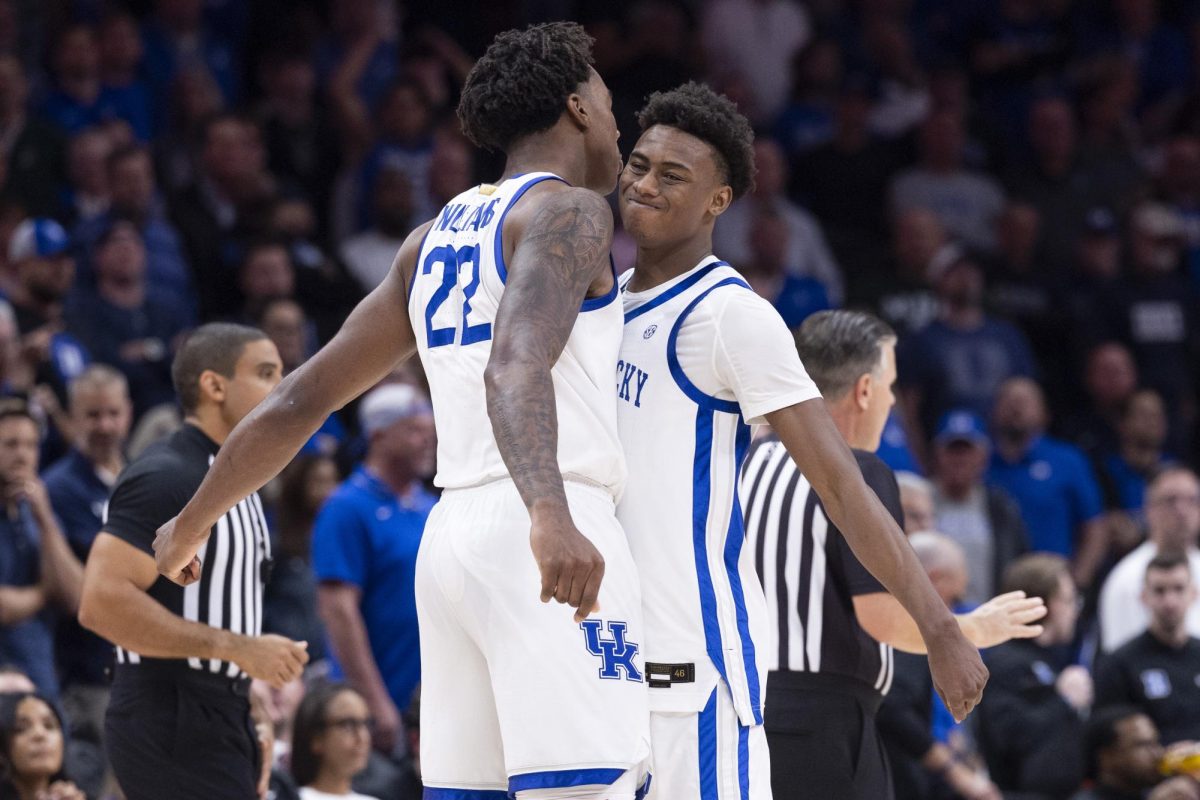
Pope hoped Kam Williams, playing at the three, would supply much of the team’s outside shooting. Outside of an 8-for-10 outburst against Bellarmine, that hasn’t materialized. Williams is shooting just 24 percent from deep, meaning every forward in the rotation is below 25 percent from three-point range. Opponents have adjusted accordingly, packing the paint and daring Kentucky to beat them from the perimeter. Only Trent Noah commands any respect beyond the arc.

Noah, however, has struggled to earn consistent minutes due to lateral quickness concerns. He averages just 14 minutes per game, most of them early in the season. While his presence helps the offense, it creates other issues — ones the team should be able to solve, but hasn’t.
Quaintance averaged three blocks per game last season, suggesting he could be a defensive anchor. Instead, Kentucky’s defensive structure — or lack thereof — has neutralized his impact. Through three games, he has just 16 rebounds and two blocks, far below expectations.
The backcourt hasn’t provided relief. Portal additions Jaland Lowe and Denzel Aberdeen were meant to stabilize the guard rotation. Lowe, who was forced into tough shots at Pitt as a primary option, was expected to benefit from a better system. Instead, he’s shooting just 21 percent from three. Aberdeen is a 34 percent shooter but wildly inconsistent. Jasper Johnson, who plays about 15 minutes per game, shoots a solid 37 percent but struggles with physicality and already ranks fourth on the team in turnovers despite limited action.
Returning senior Otega Oweh was supposed to be the leader — the steady voice after a brief NBA stint. While his numbers have improved since a rough November, he’s still shooting just 32 percent from deep and continues to battle turnover issues.

That leaves Collin Chandler, Kentucky’s only consistent perimeter threat, shooting just over 39 percent from three — down significantly from the blistering 55 percent he posted early in the season. Defenses know he’s the lone shooter who must be accounted for, crowding him relentlessly and forcing tough looks. His efficiency has suffered as a result, and when asked to handle the ball, he often struggles, leading to wasted possessions.
So the problem becomes clear. Kentucky’s best shooter is tightly guarded. The next-best shooters can’t reliably create off the dribble, forcing Pope to rely on Lowe or Aberdeen to run the offense — neither of whom has excelled in that role.
The result is a fundamental disconnect. Pope built his career on spacing, shooting, ball movement, and defined roles. Yet the roster he assembled does none of those things well.
“No identity”
Speaking on The Field of 68, longtime Kansas assistant Norm Roberts summed it up bluntly after Kentucky’s loss to Alabama: the Wildcats have no identity.
That critique begins at the top. Pope believed he needed to reinvent himself. He gambled that a new, more physical roster would buy into playing for one another. Instead, he walked away from the principles that made him successful and invested $22 million in a team that doesn’t resemble anything he’s coached before.
It was a massive bet on change — and it may ultimately cost him the job he once dreamed of.