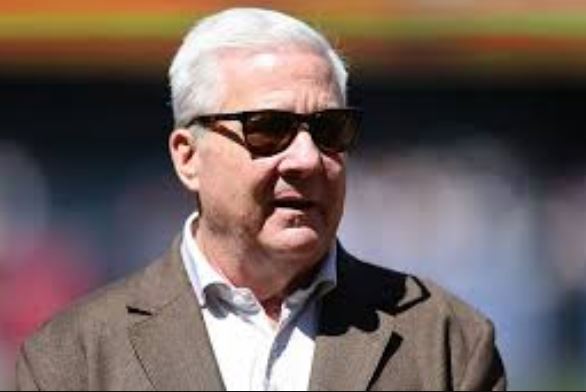
Known for his blunt, uncompromising coverage of the New York Rangers, longtime beat writer Larry Brooks often clashed with the organization over the years. Yet despite his reputation for provoking strong reactions, Rangers owner James Dolan—frequently criticized for being overly sensitive—deeply valued Brooks’ candor. Dolan revealed that he continued to appreciate Brooks’ honesty right up until the veteran journalist passed away Thursday at age 75.
“Beyond the outstanding work Larry did covering the Rangers, what most people don’t realize is that he and I met privately from time to time, and he offered his unfiltered assessment of the team and what needed to be done to win,” Dolan told the New York Post, where Brooks spent nearly 40 years writing about the NHL. “Those conversations never made it into his columns, but his insight was invaluable. I will miss it greatly.”
That kind of respect for Brooks stretched across the hockey world. As many noted after his passing, even if you didn’t like him or didn’t agree with him, you always read him.
Dolan, however, went a step beyond simple respect—actively seeking Brooks’ input behind the scenes, tapping into opinions he never shared publicly in his Rangers coverage or his weekly Slap Shots column.
Former Rangers GM Neil Smith believes those meetings served both men well.
“To me, it shows the level of respect Jim Dolan had for Larry Brooks and that he wanted him in his corner,” Smith told Forever Blueshirts on the Rink Rap podcast. “Did that mean Larry was suddenly going to write glowing things about Dolan and the team? No. But it was smart to stay on good terms with the guy who has the biggest influence in the city when it comes to your franchise.
“I really believe Dolan respected him—but I also think he recognized that Brooks was a major influencer. So it made sense to get to know him, understand how he thought, and see if there was anything he could use to improve the team.”
Messages of admiration quickly surfaced for the Hall of Fame journalist, who was inducted in 2018 after receiving the prestigious Elmer Ferguson Award, honoring hockey writers whose work elevates both the sport and the profession.
It wasn’t surprising to see Henrik Lundqvist—who had a strong, respectful working relationship with Brooks—praise his deep knowledge and commitment to the game. But it spoke volumes that former Rangers like Sean Avery and Tony DeAngelo, both of whom had contentious histories with the media, also offered heartfelt tributes.
“Very sad to hear about the passing of Larry Brooks,” DeAngelo wrote on X. “Nobody did the job like him. His opinions were strong, but he always said them to your face and let you fire back. Over the years we grew closer, talking often about hockey. I’ll miss those talks. I always valued his perspective.”
Neil Smith, who battled Brooks regularly during his tenure as Rangers general manager, recalled their complicated dynamic as well. Brooks didn’t join the Post’s Rangers beat until after the team’s 1994 Stanley Cup run, but he didn’t give Smith any free passes because he had built a championship roster.
“I had some nasty fights with Larry,” said Smith, who was dismissed after the 1999–2000 season. “I called him names I’m not proud of. But it was part of me doing my job and him doing his. When the job ended, you didn’t hate him or dislike him. If you were mature about it, you could separate the person from the role.”
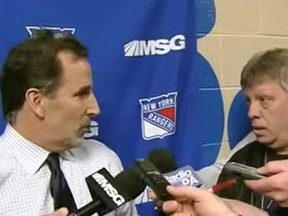
Former coach John Tortorella seemed to feel the same. His clashes with Brooks—some of which nearly turned physical—became infamous during his time behind the Rangers’ bench from 2009 to 2013. Yet, according to the New York Post, Tortorella reached out to Brooks in his final days when he learned how sick he had become.
Brooks’ relationships throughout the hockey world were often tense, layered, and complex. But in the end, those who worked with him—even those who fought with him—shared a common sentiment: they respected him.