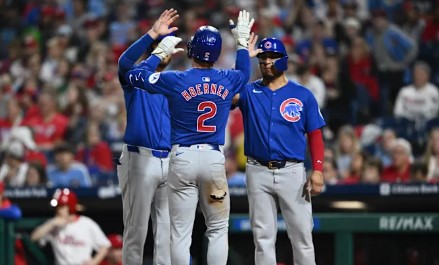
After an offseason filled with speculation and shifting roster dynamics, the Chicago Cubs once again find themselves at the center of trade conversations. The buzz surrounding the club intensified in mid-January when Chicago made a splash by signing three-time All-Star third baseman Alex Bregman. That move immediately reshaped the infield picture and sparked widespread debate about what it meant for the futures of Nico Hoerner and Matt Shaw. With Bregman now locked in at third base, many around the league began to wonder whether one of the Cubs’ talented infielders would become expendable.
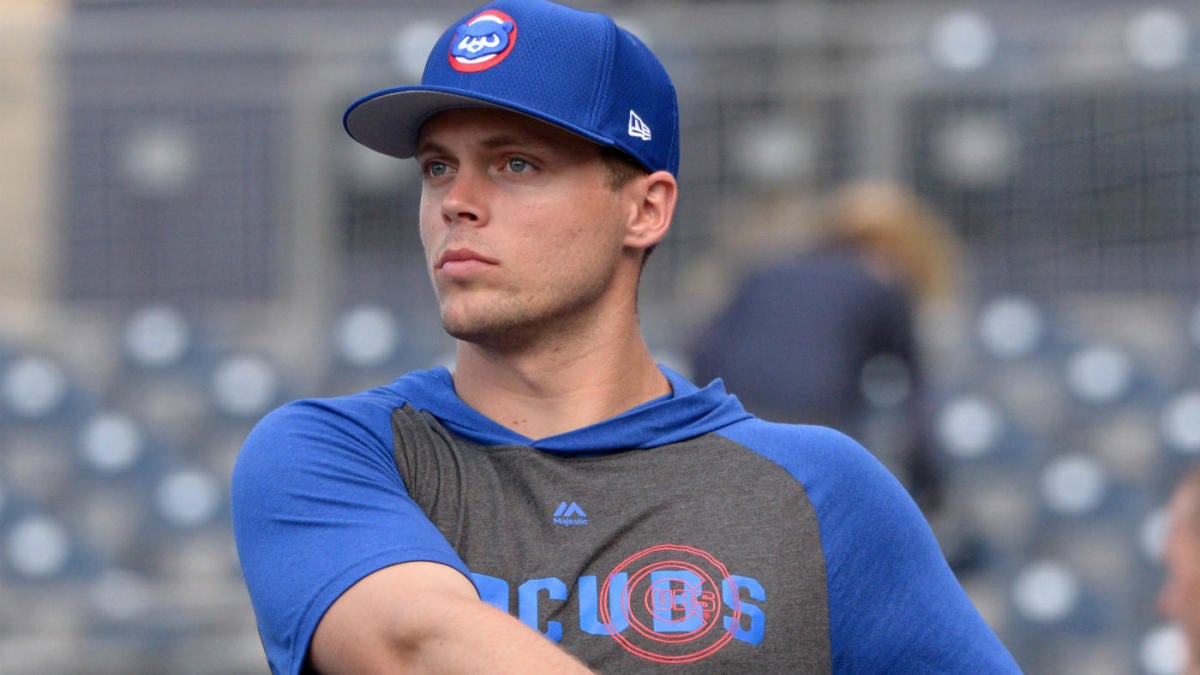
For weeks, Hoerner and Shaw were frequently mentioned in trade rumors, particularly in connection with the Boston Red Sox. Boston, notably, appeared to be short an infielder after Bregman’s departure, making them a logical trade partner. Reports confirmed that the Cubs and Red Sox had engaged in discussions, and speculation only intensified as observers attempted to connect the dots. However, the landscape shifted on Monday when Boston addressed its infield need by acquiring Caleb Durbin from the Milwaukee Brewers, a division rival of Chicago. By making that move, the Red Sox effectively removed themselves from the market for another prominent infielder ahead of the regular season.
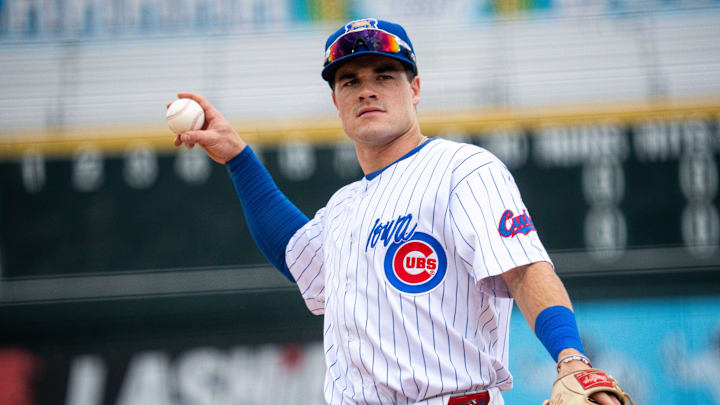
At first glance, that development seemed to quiet the trade chatter surrounding Hoerner and Shaw. Yet the situation may not be as settled as it appears. According to a report from Joel Sherman of the New York Post, rival executives still view both Cubs infielders as potentially obtainable, even if no obvious suitors have emerged publicly. Sherman drew a comparison between Shaw’s situation in Chicago and Brett Baty’s in New York, noting that both young players flashed intriguing potential last season but now face blocked paths after their respective teams signed established veterans to fill third base roles. In Chicago’s case, Bregman’s arrival eliminated the most straightforward opportunity for Shaw to claim everyday duties at third.
Sherman also pointed out that Hoerner is entering the final year of his contract and will be eligible for free agency after the season. The Cubs reportedly believe Shaw could transition to second base if necessary, creating flexibility within the roster. As a result, league insiders continue to consider either Hoerner or Shaw as possible trade assets should Chicago decide it needs reinforcements elsewhere.

Still, moving either player would likely require a substantial return. Hoerner delivered more than six wins above replacement last season, underscoring his importance to a team intent on contending immediately. Trading a player of that caliber would not come cheaply, especially with postseason aspirations in mind. Shaw, meanwhile, showed steady growth throughout his rookie campaign, and the organization believes he could even handle time in the outfield. That versatility could allow Seiya Suzuki to shift back into the designated hitter role more frequently, adding another layer of strategic flexibility.
If Boston ultimately balked at Chicago’s asking price, it raises questions about whether another club would be willing to meet the Cubs’ demands this late in the offseason. For now, no deal appears imminent. However, with roster construction still fluid across the league, the Cubs’ infield situation remains one to watch as Opening Day approaches.