
Mark Pope preaches analytics; he loves numbers, and he listens to them when they show up in trends. Well, I have one that should have him changing his entire gameplan.
Andrija Jelavic arrived at Kentucky with a reputation as a mid-post, face-up scorer. Since then, Mark Pope has encouraged him to stretch his range out beyond the arc. The idea was clear: modernize the offense, create spacing, and turn Jelavic into a multi-level threat. But the early returns have not matched the vision. Jelavic is shooting just 29 percent from three on 58 attempts, and that particular adjustment has not delivered the spark many expected. The perimeter experiment, at least so far, has not connected the way Pope likely envisioned.
What has proven effective, however, is far less complicated. Let Jelavic operate where he is most comfortable: inside the paint.
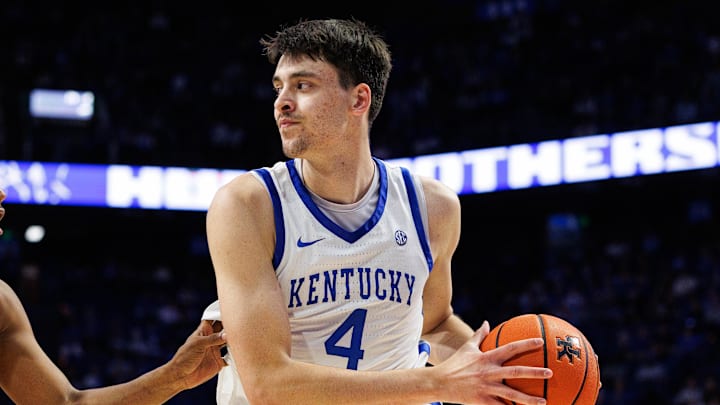
Andrija Jelavic is putting up elite 2-point numbers
For a Kentucky team hovering around 50 percent on layups and battling frustrating offensive droughts, the solution may be hiding in plain sight. According to ESPN, Jelavic is converting 67 percent of his two-point attempts, going 61-for-91 inside the arc. That is not a small-sample illusion built on limited touches. It is sustained efficiency over a meaningful stretch.
The eye test backs it up. Jelavic looks poised and confident in the mid-post, where he can face up, use his footwork, and make decisive moves without being rushed into contested perimeter shots. That is his natural game, and the numbers reinforce it.
Defensively, there are limitations. Jelavic does not possess overwhelming strength and can be nudged off his spot by more physical post players. Yet that issue is hardly unique among Kentucky’s frontcourt options. What separates him is his efficiency as a scorer inside, something the other bigs have not matched at the same level.
Malachi Moreno is shooting 59 percent on 139 attempts.
Brandon Garrison sits at 58 percent on 81 attempts.
Mo Dioubate is also at 58 percent on 110 attempts.
Each has been solid, but none have been as efficient as Jelavic. Strangely, the most efficient interior scorer has the fewest opportunities in that area. That imbalance raises questions about shot distribution and role definition within the offense.
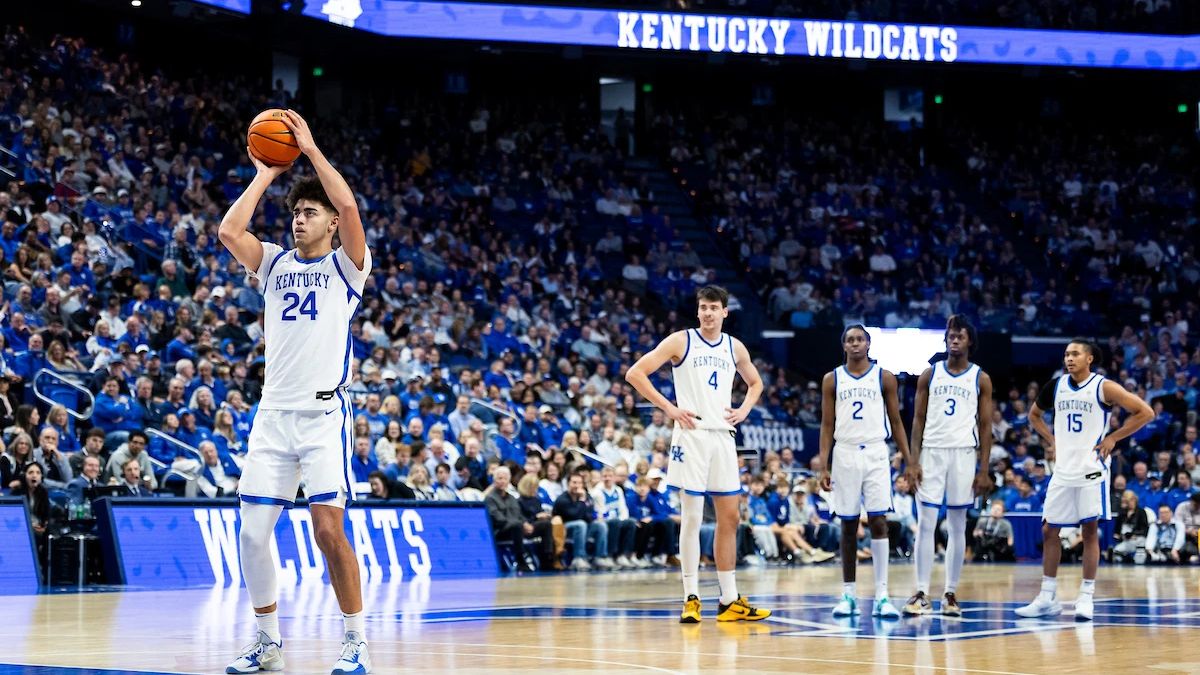
Andrija Jelavic is not a big body, but he is skilled
As noted earlier, Jelavic’s slender frame can make him vulnerable in physical matchups. Still, basketball is about maximizing strengths, not spotlighting weaknesses. Surround him with cutters who move decisively without the ball. Space the floor enough to punish hard double teams. Knock down open perimeter looks when the defense collapses. In that environment, feeding Jelavic in the mid-post can become a reliable offensive anchor.
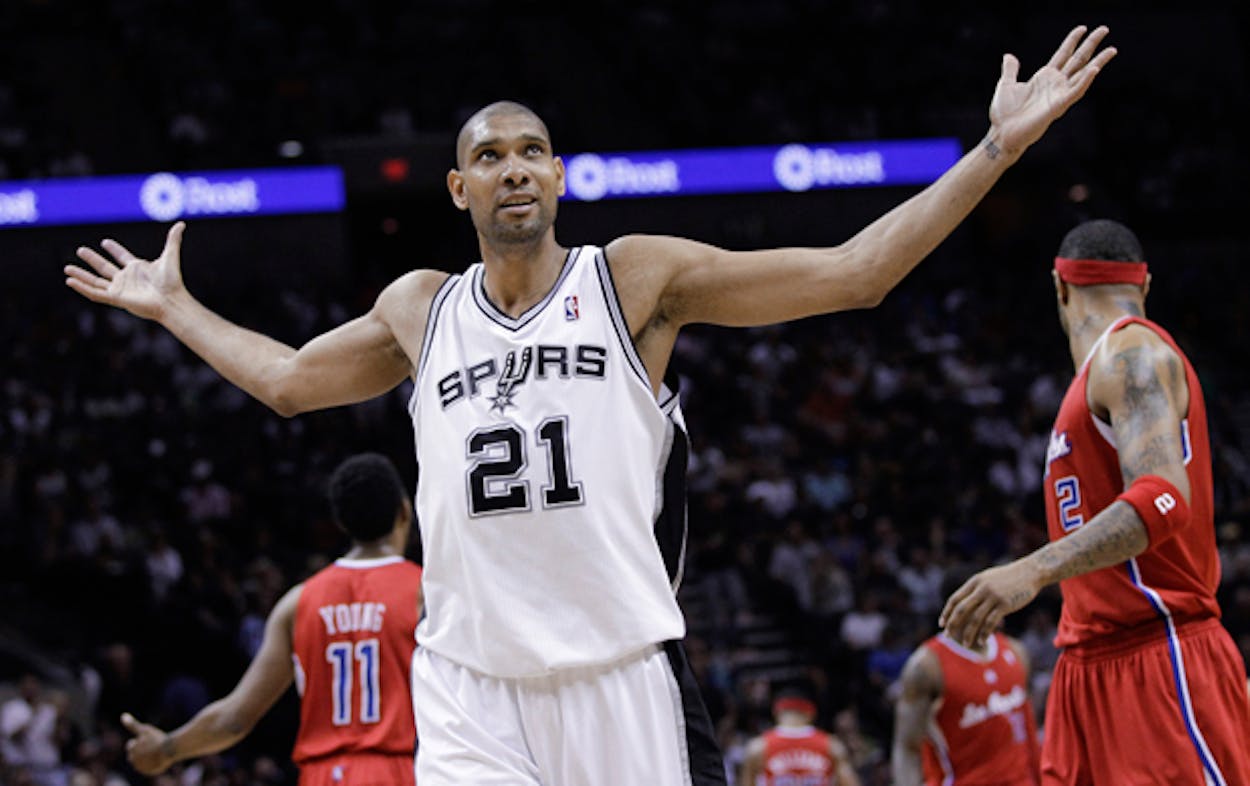
The better comparison for his usage may be Tim Duncan rather than Robert Horry. While a 35 percent clip from three would certainly benefit the team, that is not Jelavic’s primary identity right now. His value lies closer to the rim, where efficiency, touch, and feel matter most.
So the next time Kentucky’s offense stalls and possessions grow stagnant, perhaps the adjustment is simple. Look inside. The data suggests it will work. And if Pope truly trusts analytics, this may be the trend worth following.