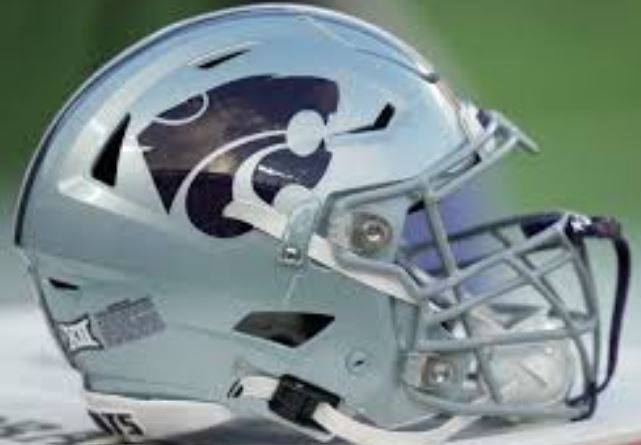
Kansas State thought it was in the thick of it. For weeks, the Wildcats had worked the phones, built momentum on the trail, and positioned themselves as a serious contender for one of the most dynamic young defensive backs in the 2027 class. But in the end, it all came crashing down in the most frustrating way possible for Wildcat fans—is headed to TCU.
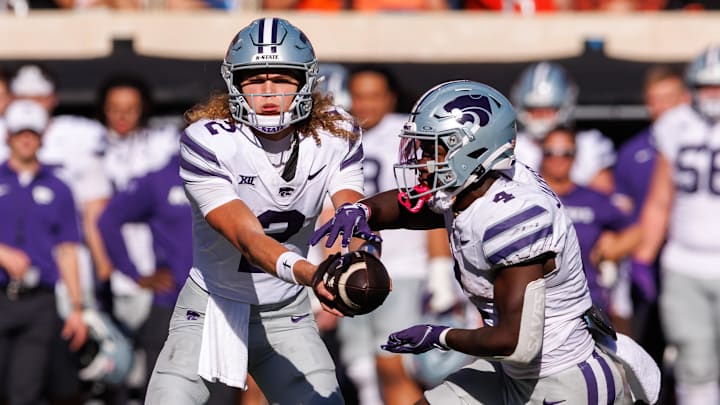
This wasn’t just another recruiting miss. This was the kind of swing prospect programs build entire secondaries around.
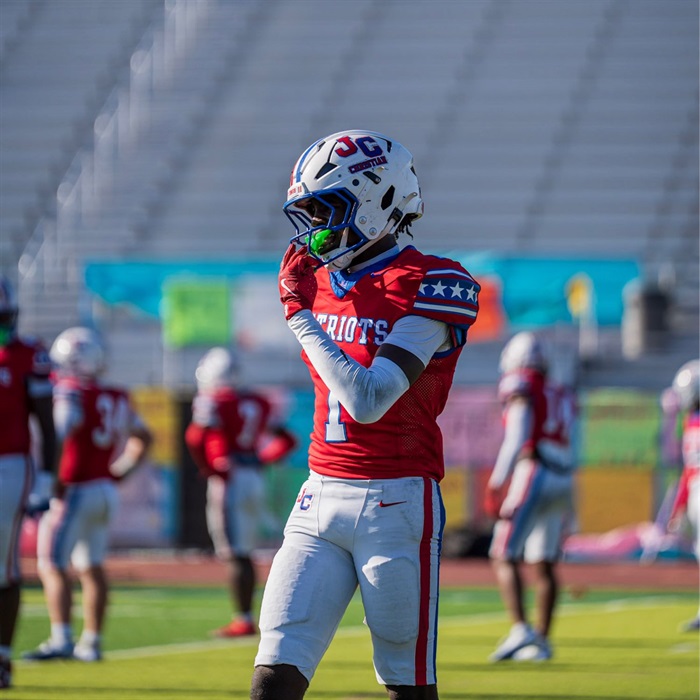
Tapp, a rising star out of Louisiana powerhouse John Curtis Christian, has been turning heads since the moment he stepped onto the field. Long, instinctive, and fearless in coverage, he plays with the kind of confidence that immediately jumps off the film. Whether he’s closing on routes in man coverage or reading quarterbacks and jumping throws in zone, Tapp has shown the rare ability to dictate what opposing offenses can and cannot do on his side of the field.
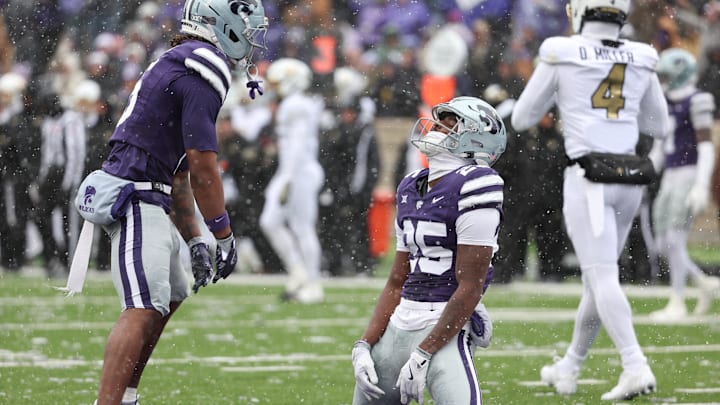
His production backed up the hype during a standout junior season. Tapp finished with 24 total tackles, 9 pass breakups, and 5 interceptions, consistently flipping momentum for his defense. Those five picks weren’t fluky mistakes from quarterbacks either—they were earned through anticipation, preparation, and elite reaction speed. In a state like Louisiana, where elite wide receivers and quarterbacks are the norm, Tapp didn’t just survive—he thrived.
Kansas State made him a priority early. The Wildcats saw exactly what everyone else saw: a potential lockdown corner who could anchor a future Big 12 defense. Collin Klein’s staff pushed hard, selling development, early playing time opportunities, and the chance to become a cornerstone of a rising defensive unit in Manhattan. For a while, it looked like Kansas State had a real chance to pull off a statement win.
But recruiting at this level is never just about interest—it’s about closing.
TCU ultimately proved to be the program that could seal the deal. The Horned Frogs surged late in the process, leaning into their defensive vision and ability to develop versatile, turnover-driven defensive backs. In the end, that pitch landed harder than anything else. Tapp felt like he wasn’t just being recruited—he was being prioritized as a future difference-maker in Fort Worth.
For Kansas State, the loss stings in a big way. This is the type of player who doesn’t just fill a roster spot—he changes the ceiling of an entire secondary. A ballhawk like Tapp could have been a long-term answer in a conference where explosive passing attacks continue to evolve and punish even the smallest coverage breakdowns.
Instead, Wildcats fans are left watching another elite defensive talent leave their orbit, heading elsewhere in the Big 12 landscape. And with TCU adding him to an already growing 2027 class, the Frogs are quietly stacking the kind of defensive talent that can reshape their future identity.
For Kansas State, the message is clear and frustrating at the same time: they were close. Really close. But in the end, close doesn’t show up in the win column on National Signing Day.