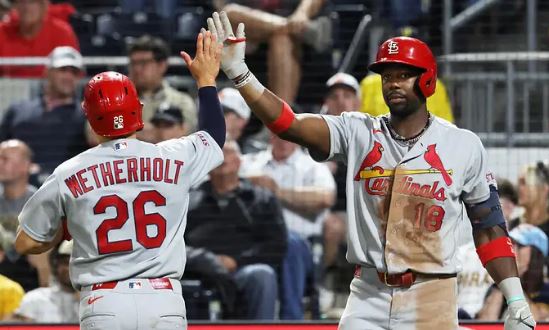
The St. Louis Cardinals have continued to exceed expectations as the second half of the season gets underway. Despite dropping a tough game on Saturday, they enter the final stretch with a 51-46 record, firmly in the National League playoff picture and proving far more competitive than many anticipated before the season.
That success has made the Cardinals one of the more intriguing teams to watch ahead of the Aug. 3 MLB trade deadline.

While many around baseball believe St. Louis could benefit from selling veteran pieces as part of the organization’s long-term reset, the club’s place in the postseason race has also fueled speculation that it could instead look to add reinforcements for a playoff push.
According to MLB.com, regardless of which direction the Cardinals ultimately choose, one need stands above the rest: adding a starting pitcher capable of providing quality innings and easing the workload on an overtaxed bullpen.
The outlet noted that while St. Louis’ rotation has managed to outperform expectations, concerns remain beneath the surface. The Cardinals currently rank near the bottom of Major League Baseball in strikeout rate among starting staffs, leaving little room for error. Their recent struggles against the Milwaukee Brewers also highlighted how vulnerable the pitching staff can become when starters fail to work deep into games.
Adding another reliable starter would not only strengthen the rotation but also reduce the heavy burden being placed on the bullpen during the season’s most important stretch.
If the Cardinals decide to become buyers, however, finding that type of pitcher won’t be easy.
Quality starters with multiple years of team control are among the most valuable commodities on the trade market, and acquiring one would likely require St. Louis to part with some of its top prospects—something president of baseball operations Chaim Bloom has shown little interest in doing during the organization’s rebuilding transition.
On the other hand, if the Cardinals choose to sell, they could address that same need from the opposite direction.
Trading veteran players could bring back young, controllable pitchers who are close to contributing at the major league level, helping strengthen the rotation both for the remainder of this season and well into the future.
The bullpen’s workload only reinforces that argument.
With relievers logging significant innings throughout the season, adding another dependable starter—either now or by acquiring future rotation pieces—has become an increasingly important organizational priority.
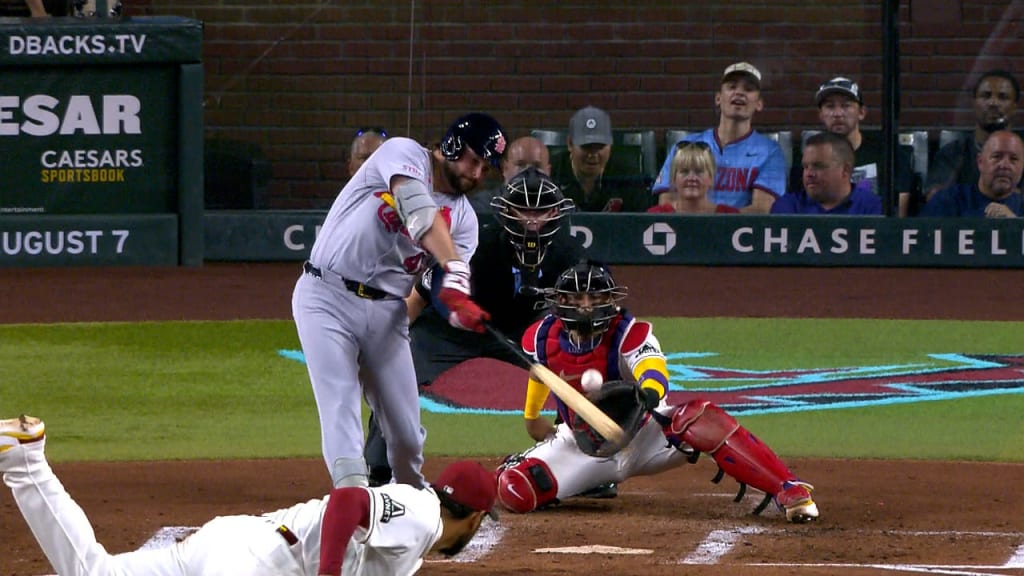
Should St. Louis move into seller mode, relievers could become some of the club’s most attractive trade assets. Riley O’Brien may represent one of the better opportunities to acquire meaningful value, while the trade stock of JoJo Romero and Dustin May has been impacted by recent circumstances. Veteran Ryne Stanek has also generated less trade buzz than some of the club’s other bullpen options.
Ultimately, the Cardinals find themselves walking a fine line.
They’re close enough to the playoff race to justify adding talent, yet committed enough to their long-term organizational plan that sacrificing premium prospects for short-term upgrades may not be the wisest move.
That balancing act will make this one of the most important trade deadlines of Bloom’s tenure in St. Louis.
Whether the Cardinals emerge as buyers, sellers, or pursue a hybrid approach, one thing has become increasingly clear: improving the pitching staff—particularly the starting rotation—appears to be at the top of the organization’s priority list.
Now the challenge will be finding a path that strengthens both the club’s playoff hopes and its long-term vision without compromising either objective.