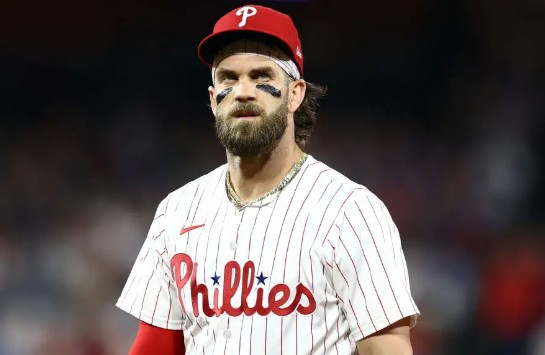
The Philadelphia Phillies believed they were discussing batting-order construction. Instead, the conversation may have uncovered one of the more uncomfortable questions surrounding the club’s superstar core.
Is Bryce Harper willing to do what benefits the team most if it means sacrificing his own comfort?
That discussion intensified across Philadelphia this week after comments linked to Phillies manager Don Mattingly sparked criticism regarding Harper’s apparent hesitation to stay in the No. 2 spot in the lineup.
During a spirited segment on Sports Radio 94WIP, veteran Philadelphia sports broadcaster Ray Didinger reacted strongly to Mattingly’s reported reasoning for placing Adolis García in the second spot rather than Harper.
According to the discussion, Mattingly explained that the Phillies did not want Harper batting second for “too long” and preferred to keep the setup limited to “a game or two.”
Those remarks quickly shifted the focus away from strategy and toward accountability. That’s because many around baseball believe the numbers support Harper serving as the club’s permanent No. 2 hitter.
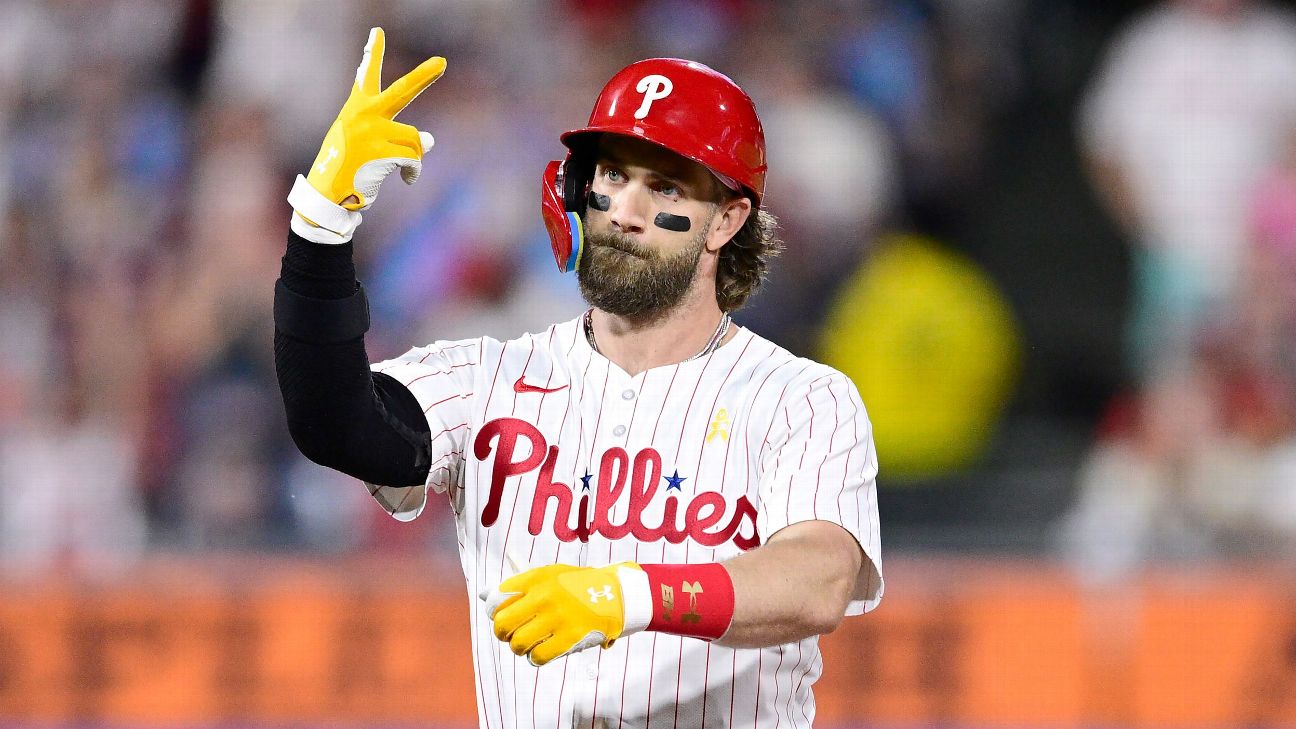
Phillies Caught Between Traditional Thinking and Modern Analytics
Modern lineup strategy increasingly places a team’s best hitters near the top of the order. Organizations want elite offensive players coming to the plate as often as possible, making the No. 2 position one of the most important spots in baseball.
That approach has led many stars throughout MLB to move away from the traditional cleanup role.
From an analytical perspective, having Harper hit directly behind leadoff man Kyle Schwarber could help maximize Philadelphia’s offense. Harper remains one of the team’s premier on-base threats and most dangerous bats. Over a 162-game season, batting second could create more opportunities for him to influence games.
Harper, however, has spent the majority of his career hitting third or fourth. Those spots allow him to function as a classic middle-of-the-order run producer rather than a hitter expected to spark offense early in games. Many veteran stars prefer those positions because pitchers often approach them differently when runners are on base.
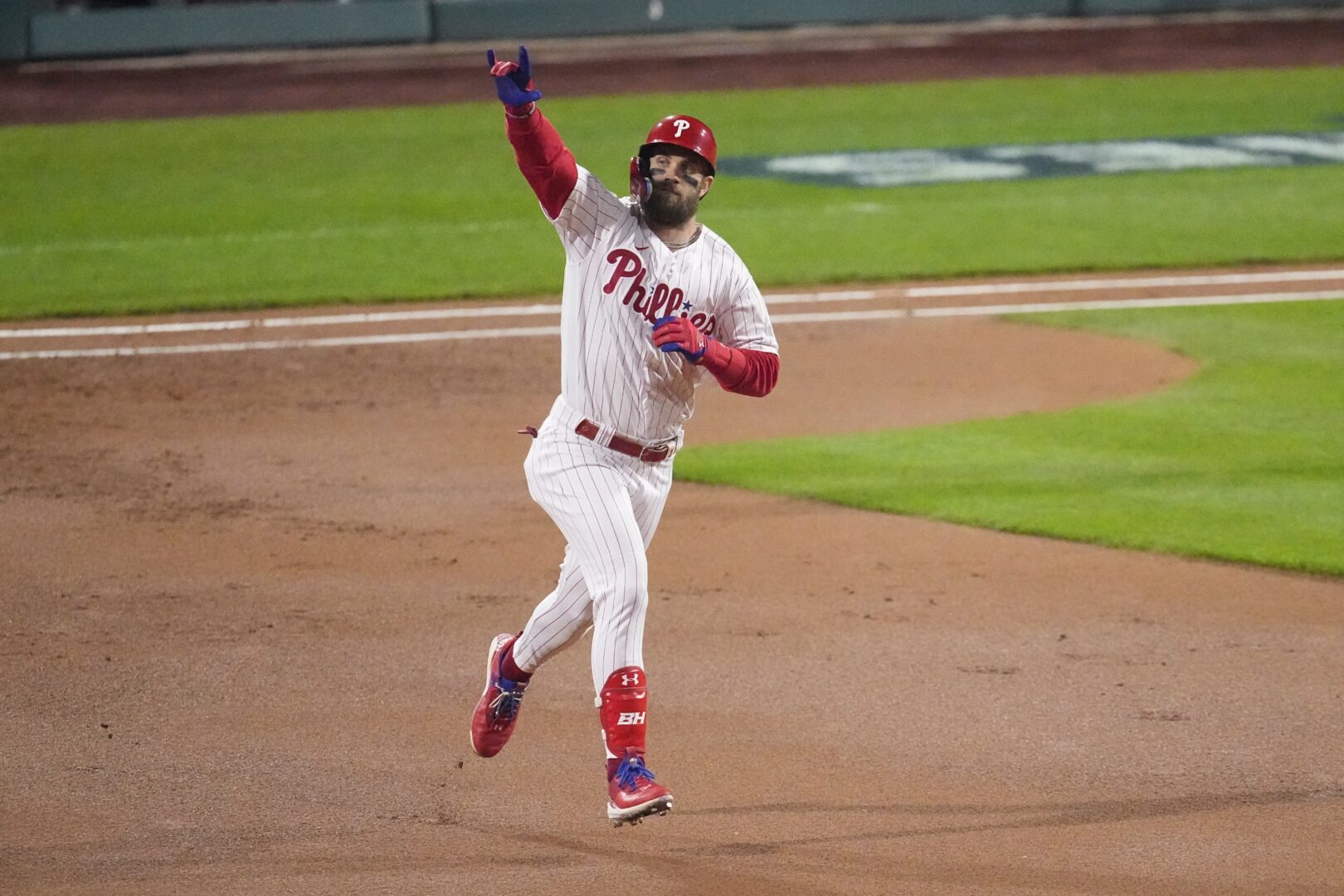
Mattingly has received considerable praise for helping steady a clubhouse that appeared emotionally exhausted earlier this season. Since taking over, Philadelphia’s offense has shown noticeable improvement, and part of his philosophy seems centered on placing veteran players in situations where they feel comfortable and confident.
Bryce Harper Now Faces Heightened Expectations
For years, Phillies fans embraced Harper simply for choosing Philadelphia. He quickly became the face of the franchise after signing his blockbuster contract and played a major role in turning the organization back into a contender.
Now, with championship expectations firmly attached to the club, every decision involving Harper is examined more closely than ever.
That formed the basis of Didinger’s criticism during the 94WIP conversation. He questioned whether Harper values personal comfort, image, and routine over maximizing the Phillies’ chances of winning a World Series.
Whether fair or not, that perception could gain traction if Philadelphia’s offense experiences another downturn. Superstar preferences are often easier for fans to accept when the team is winning.
At the same time, the Phillies must consider another important factor: star players generally perform best when they’re comfortable. If Harper continues producing at an MVP-caliber level while batting third, Mattingly may determine that maintaining his rhythm outweighs strictly adhering to modern lineup analytics.
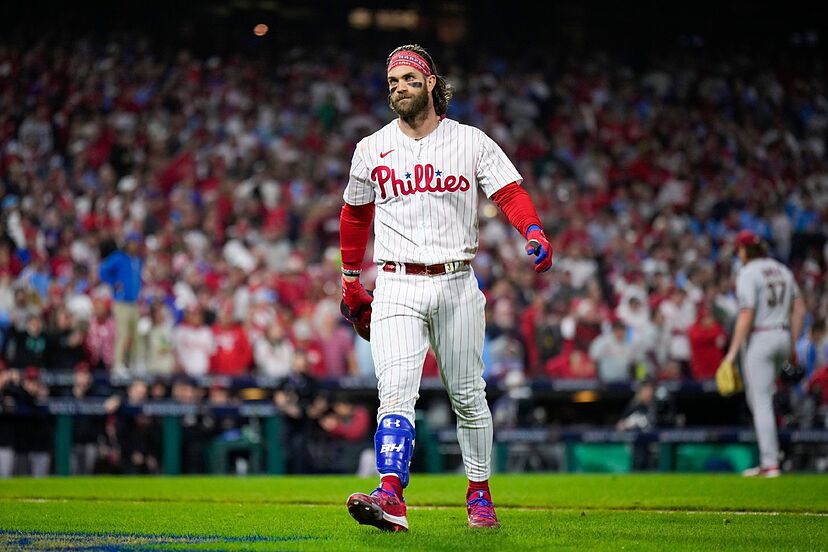
Still, the fact that this debate exists says something larger about the current state of the franchise.
The Phillies are no longer focused on becoming contenders. They’re focused on proving this core group can finally win it all. And suddenly, even Bryce Harper’s place in the batting order has become part of that conversation.