The Miami Heat are shaping up to be one of the most aggressive teams of the offseason, with growing belief around the league that they could make a serious push for a true superstar addition. While much of the attention has focused on names like Giannis Antetokounmpo and Kawhi Leonard, another massive name could quietly emerge as a real possibility.
Veteran star is expected to reach free agency this summer, giving teams outside Los Angeles a legitimate opportunity to pursue him. One scenario gaining traction involves a strategic sign-and-trade that could send James back to South Beach, where his NBA legacy took a dramatic leap more than a decade ago.
In the proposed framework, the Lakers would receive Andrew Wiggins, Jaime Jaquez Jr., and a future first-round pick. In return, Miami would acquire LeBron James along with his son, Bronny James. The inclusion of Bronny is seen as a meaningful incentive, potentially increasing LeBron’s interest in a move.
A reunion with Miami would carry enormous historical weight. James’ original move to South Beach in 2010 changed the league, ushering in the Heat’s Big Three era alongside Dwyane Wade and Chris Bosh. That stretch delivered Miami its most successful run and cemented James as one of the greatest players in basketball history.
How Miami Could Make It Work
James is expected to be an unrestricted free agent, and while the Lakers have expressed interest in keeping him, no agreement is in place. A sign-and-trade remains a viable option, and Miami could benefit if Los Angeles decides to reshape its roster.
At 41 years old, James may be open to a new situation, especially if it provides a legitimate chance to contend. Miami offers more than a sentimental return—it presents a real opportunity to chase another championship with a strong supporting cast.
From a financial standpoint, the Heat would need to make adjustments. Wiggins’ contract helps balance the math, while Jaquez remains on a rookie-scale deal. Trading younger pieces and future assets for an aging superstar is a gamble, but one that could pay off if Miami is serious about winning now.
The argument for taking that risk is strengthened by James’ recent postseason performance. Despite roster challenges, he proved he can still elevate a team and lead deep playoff runs against younger, more athletic opponents.

Why LeBron Still Fits in Miami
Even at this stage of his career, James continues to produce at a high level, hovering around 20 points per game while offering elite playmaking, rebounding, and leadership. He has consistently emphasized that he wants his final seasons to be meaningful and competitive.
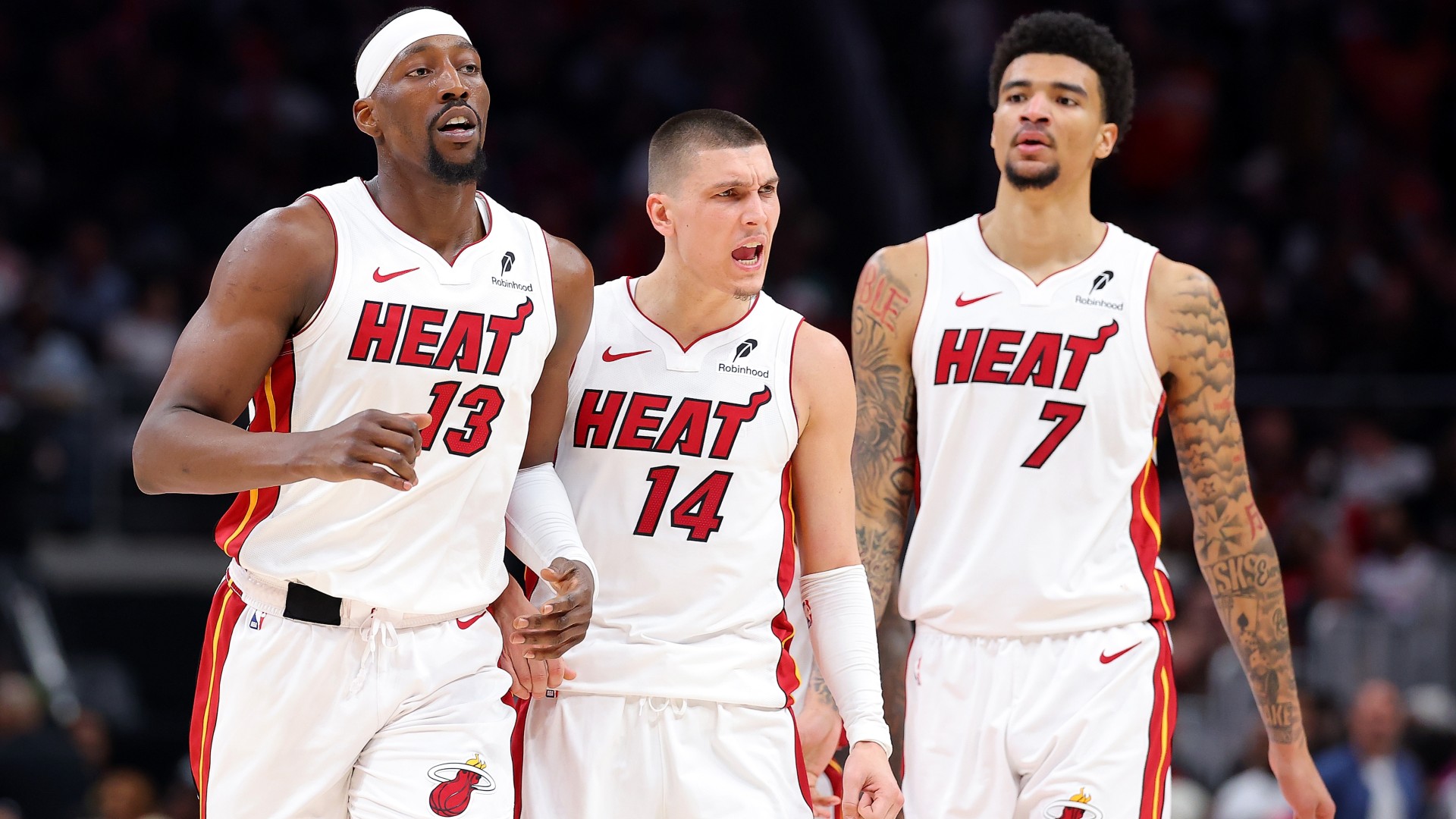
In Miami, James could slot into a powerful core alongside Tyler Herro, Norman Powell, and Bam Adebayo. His presence wouldn’t necessarily disrupt their production—instead, he would step into opportunities left behind by outgoing players.
While his usage rate might dip compared to his role in Los Angeles, his impact would remain substantial. Last season, James outperformed Wiggins in scoring, assists, and rebounds, reinforcing the idea that he still has plenty left to give and could immediately raise Miami’s championship ceiling.