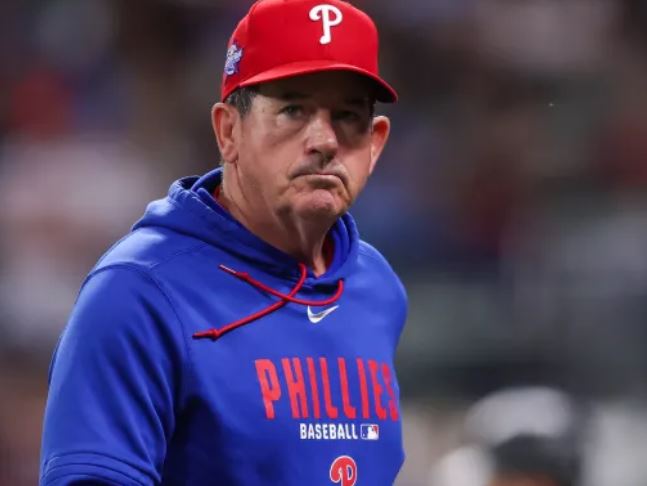
Rob Thomson’s dismissal was never going to stop at one office. Not for a Phillies organization scrambling to revive a $300 million roster before the season slips fully into crisis. Once Don Mattingly shifted from bench coach to interim manager, the rest of the staff inevitably followed. That domino effect has now reached Triple-A Lehigh Valley, where Chris “Tank” Adamson steps in as IronPigs manager after Anthony Contreras was elevated to the Phillies’ major-league staff as third-base coach.

At first glance, it looks like routine organizational maintenance. The Phillies cut ties with Thomson after a miserable 9–19 start, promoted Mattingly, slid Dusty Wathan from third-base coach to bench coach, and pulled Contreras up from Lehigh Valley to handle third base in Philadelphia.
With Contreras leaving the IronPigs, the vacancy was unavoidable. Adamson, already serving as the club’s bench coach, was the obvious successor. Lehigh Valley announced him as the seventh manager in franchise history, with his debut coming April 28 against Syracuse.
But this goes beyond swapping nameplates.
The Phillies’ coaching shuffle shows how quickly one firing can ripple through an entire organization. From the major-league dugout down to the top minor-league affiliate, the chain of command has been disrupted. That’s what happens when a team with championship expectations panics—everyone beneath the blast radius has to recalibrate.
Contreras had returned for a fifth season in 2026, making him the longest-tenured manager in IronPigs history and, after last year, the winningest as well. That kind of stability matters in Triple-A, where the role centers on development, communication, managing rehab assignments, and keeping depth pieces ready for emergency call-ups. For the Phillies, it also meant keeping the next wave prepared for a big-league club that suddenly feels far less secure than planned.
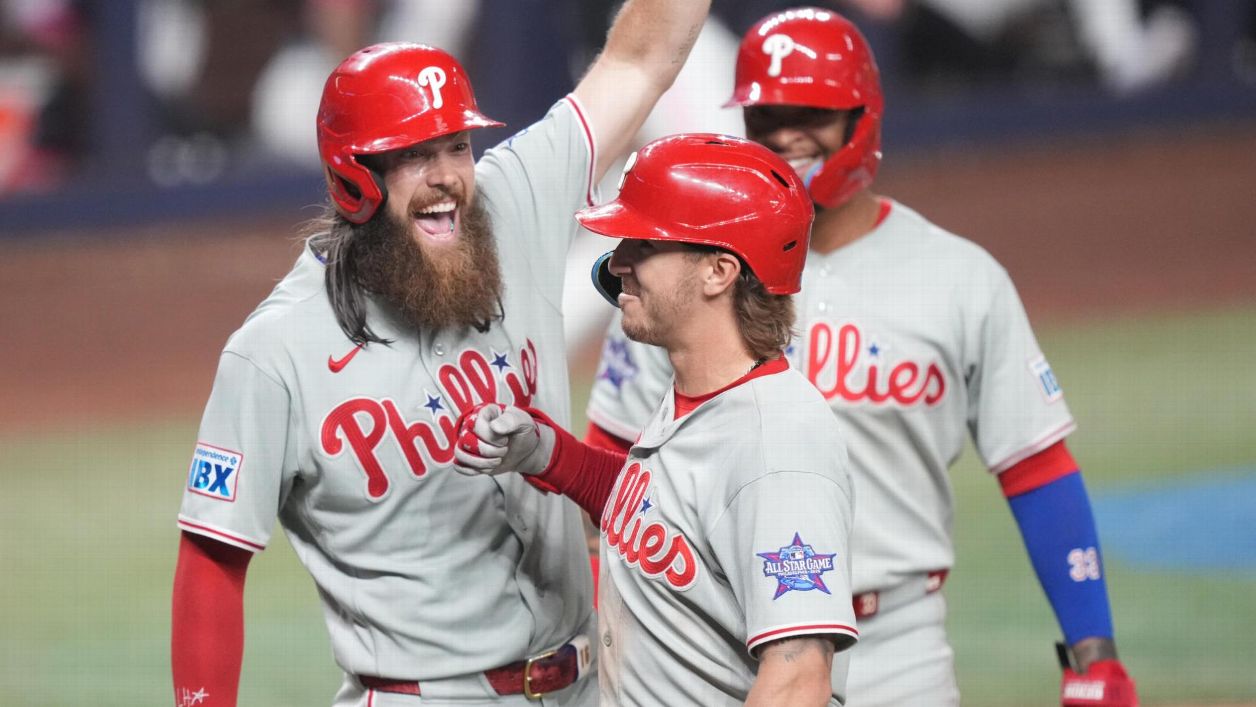
That’s why Adamson’s promotion deserves attention. The organization clearly prioritized continuity over chaos. Adamson already understood the clubhouse dynamics and the constant back-and-forth between Lehigh Valley and Philadelphia. Turning to a familiar, trusted voice was the pragmatic choice.
This is the reality when a team built to win now starts playing like one searching for answers. Thomson was fired because a projected National League power stumbled badly enough that patience ran out. The uncomfortable truth is that the Phillies are trying to project stability through a series of inherently destabilizing moves.
For Adamson, the mission is clear: keep the pipeline running, keep prospects and depth pieces steady, and ensure Lehigh Valley doesn’t become collateral damage in Philadelphia’s big-league reset.