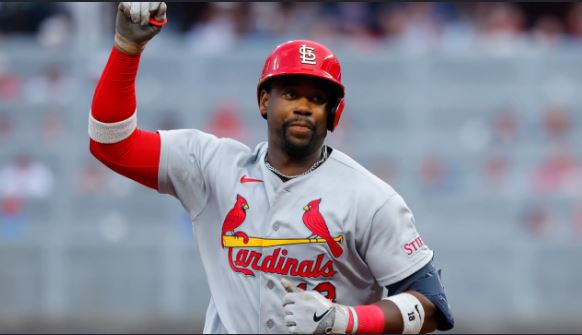
The Cincinnati Reds made another major investment in their future on Thursday, signing rookie right-hander Chase Burns to a seven-year, $105 million contract extension. The deal came just days after the St. Louis Cardinals secured one of their own rising stars, agreeing to an eight-year, $112.5 million extension with rookie infielder JJ Wetherholt.
For the Cardinals, Wetherholt’s extension may be only the beginning.
With one of the youngest rosters in baseball and a front office focused on building a sustainable contender, St. Louis has several emerging players who could be next in line for a long-term commitment. At the top of that list is outfielder Jordan Walker, whose value appears to be climbing with every passing week.

Following a spectacular first half of the season and a Home Run Derby title, Walker has positioned himself as one of the franchise’s cornerstone talents. Burns’ new contract only reinforces why the Cardinals should move quickly if they hope to lock up Walker before his asking price rises even higher.
Burns Deal Provides Blueprint for Cardinals
The Reds were able to reach an agreement with Burns before his value had the opportunity to skyrocket. It’s the same strategy the Cardinals employed with Wetherholt, rewarding a young player early while maintaining long-term financial flexibility.
Waiting rarely makes these negotiations cheaper.
As Walker continues to produce at the major-league level, every home run, every accolade, and every strong month only strengthens his leverage in future contract talks. If St. Louis delays negotiations, the eventual cost of keeping one of its brightest young stars could increase substantially.
Walker Looks Like a Franchise Cornerstone
Unlike large-market clubs that can routinely spend at the top of free agency, the Cardinals have traditionally built their success by developing homegrown talent and signing key players before they reach the open market.
That philosophy has helped define the organization for decades, and under president of baseball operations Chaim Bloom, there is little indication that approach will change.
Bloom made an important statement by extending Wetherholt early, but ensuring Walker remains part of the club’s long-term core may be an even bigger priority.
The sooner the Cardinals can reach an agreement, the greater the chance they’ll secure Walker on terms that benefit both the player and the organization. A team-friendly extension would also allow St. Louis to preserve payroll flexibility for future roster improvements and continued investment in player development.
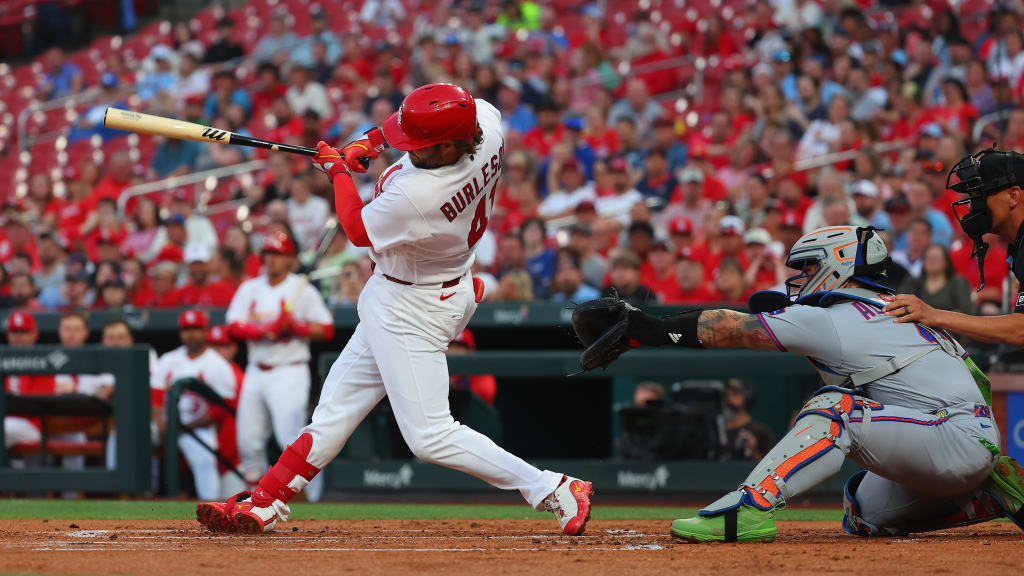
Time Is Working Against St. Louis
Burns’ extension illustrates just how valuable proactive negotiations can be.
While Walker’s eventual contract would almost certainly exceed Burns’ seven-year, $105 million deal, every indication suggests his price tag will only continue to rise if he maintains his current pace.
For a franchise that isn’t expected to compete financially with baseball’s biggest spenders, acting sooner rather than later could prove to be one of Bloom’s most important decisions.
Walker has certainly given the Cardinals every reason to believe he’s worth that investment.
During the first half of the season, the 24-year-old slashed .294/.354/.532 with 22 home runs, 74 RBIs, a .887 OPS, and 3.8 WAR while emerging as one of the National League’s most dangerous young hitters. Add in his Home Run Derby championship, and it’s easy to see why his value is trending sharply upward.
If the Cardinals envision Walker as a foundational piece of their future—and all signs suggest they do—the window to sign him at a relatively team-friendly price may not stay open for much longer.