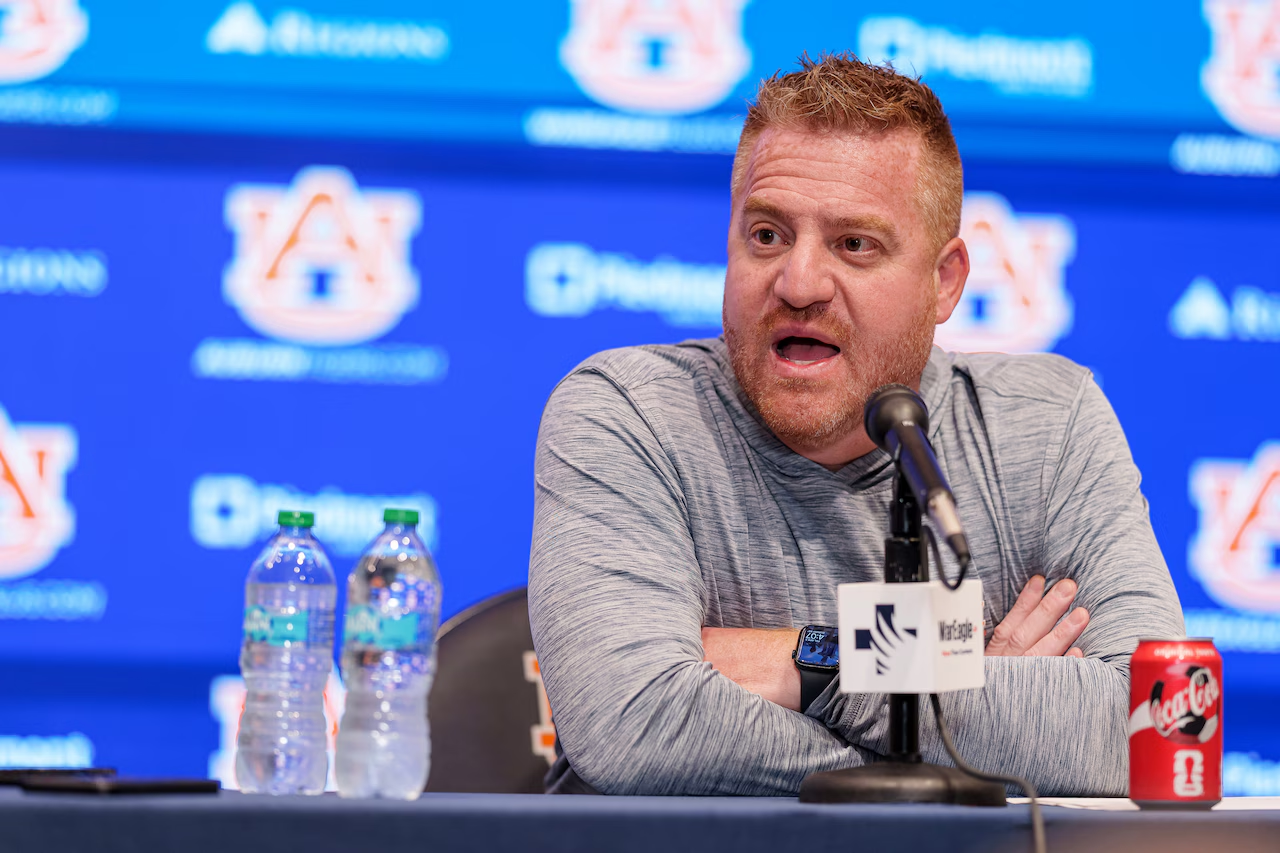
The Auburn Tigers football experienced a surprising but highly notable moment during its latest spring practice session, as former head coach Gus Malzahn made an unexpected appearance around the program. The sighting immediately generated buzz among fans and observers, not only because of Malzahn’s history with the program, but also because of what his presence could mean for Auburn’s evolving coaching dynamic under head coach Alex Golesh.
While spring practices are typically focused on internal development, installation, and evaluating roster progress, this particular session carried an added layer of intrigue. Malzahn’s return to the Auburn environment—where he once served as head coach and helped shape one of the program’s most competitive eras in recent memory—instantly drew attention. For many around the program, seeing a familiar and accomplished figure like Malzahn back on the field was both unexpected and significant, especially given the timing during a critical developmental period for the team.
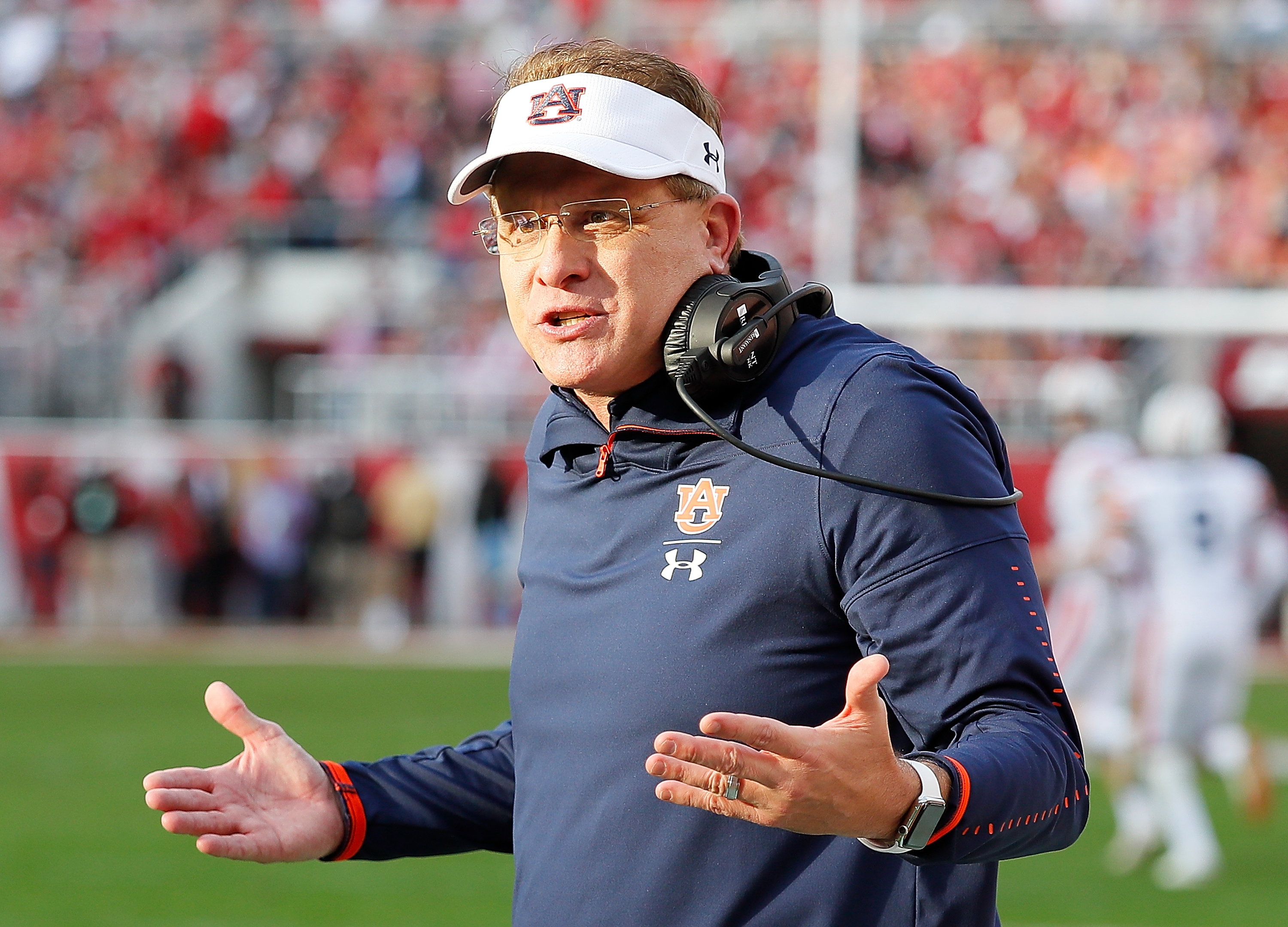
According to Golesh, this reunion was not accidental, nor was it merely ceremonial. The Auburn head coach revealed that he had actively been working to bring Malzahn back around the program in some capacity throughout the spring. The goal, as described by Golesh, is to tap into the experience and institutional knowledge that Malzahn carries from years of leading high-level SEC football. In a sport where margins are thin and experience often translates directly into competitive advantage, having a former head coach involved—even informally—can provide meaningful insight.

Golesh emphasized that the idea behind this connection is rooted in collaboration rather than hierarchy. He made it clear that he values any opportunity to learn from coaches who have already navigated the pressures of SEC competition and program building at the highest level. His approach reflects a broader coaching philosophy centered on openness, adaptation, and maximizing resources wherever possible, regardless of ego or traditional boundaries.
“I’ve been trying to get him here. He’s moving back and will be a huge resource for me,” Golesh said, also expressing appreciation for Malzahn and his family for their continued support of Auburn. He highlighted the importance of having individuals around the program who not only understand its culture but also care deeply about its long-term success. That sentiment resonated strongly given Malzahn’s deep ties to Auburn and his previous tenure leading the Tigers through significant highs on the national stage.
Golesh further reinforced his mindset by stressing the importance of humility and willingness to learn in coaching. “For me, I got no ego in this thing, man,” he explained, noting that he is fully open to insights from anyone who has experienced success at this level. He specifically pointed to Malzahn as someone who has “been there, done that,” reinforcing the value of drawing from established experience to help guide current decisions and player development.

As spring practice continues, the presence of Malzahn around the program adds an interesting layer to Auburn’s offseason narrative. While there is no indication of an official coaching role, the collaboration between past and present leadership could offer subtle but meaningful benefits in areas such as offensive philosophy, situational football, and program culture. For a team working to refine its identity under a new coaching direction, those types of contributions can be quietly influential.
Ultimately, this unexpected reunion serves as a reminder of how interconnected coaching networks can be in college football. The Auburn Tigers football are not only building for the future but also finding ways to incorporate lessons from the past. And with figures like Gus Malzahn re-entering the conversation in an advisory capacity, Auburn’s spring storyline has taken on an added layer of intrigue that could carry forward well beyond the practice field.