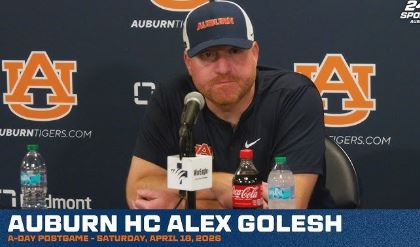
The 2026 season feels different on the Plains. For the first time in years, Auburn Tigers football enters the offseason not scrambling for answers, but stacking momentum. The Tigers’ roster has quietly undergone one of the most important transformations of the modern era — a rare blend of experience, eligibility flexibility, portal impact, and young star power that positions Auburn for a legitimate reset. This isn’t hype built on hope. It’s structure built on numbers, development, and opportunity.

At the heart of Auburn’s optimism is the program’s “5-for-5” roster dynamic — a collection of players returning for a fifth year of eligibility at key positions. That extra year matters. It means veteran linemen who have already survived SEC trenches, defenders who have seen every offensive wrinkle, and skill players who finally get continuity instead of another restart. For a program that has cycled through systems and quarterbacks since 2021, continuity alone feels like a breakthrough.
Offensively, Auburn looks deeper and more explosive than it has in several seasons. The running game remains a cornerstone, powered by backs who already have thousands of collegiate snaps under their belts. The offensive line, once a glaring weakness, returns multiple multi-year starters who logged heavy SEC workloads. That experience shows up in the margins — fewer missed assignments, cleaner pockets, and sustained drives that don’t die after one negative play.

The passing game, however, is where Auburn’s ceiling rises. With veteran receivers who have already posted multiple 600-plus-yard seasons and younger playmakers pushing from behind, the Tigers finally have balance. Defenses can no longer key on one threat. Auburn finished the previous season averaging over 24 points per game despite inconsistency at quarterback — a number that projects upward with improved protection and chemistry.
Stability at quarterback has been Auburn’s missing piece, and entering 2026, the position finally feels settled. Whether it’s a proven starter returning for a fifth year or a talented successor stepping into a cleaner situation, the offense now has structure around the position instead of pressure suffocating it. That alone changes how opponents game-plan for Auburn on Saturdays.
Defensively, Auburn’s transformation may be even more striking. The Tigers return veteran leadership at every level — defensive linemen who can collapse pockets, linebackers who diagnose plays instantly, and a secondary that finally blends athleticism with experience. Auburn forced more than 20 turnovers last season, a number that ranked among the better totals in the SEC. With additional depth and maturity, that figure could climb even higher.
The back end of the defense is loaded with players who have started games against elite SEC quarterbacks. That experience is invaluable. Coverage busts shrink. Communication improves. Third-and-long becomes an opportunity instead of a liability. Auburn’s defensive efficiency metrics already pointed upward late last season, and returning production suggests that trend wasn’t a fluke.
Recruiting and roster management deserve equal credit. Auburn didn’t simply chase stars — it targeted fits. The Tigers supplemented high-school recruiting with transfer portal additions who had already played meaningful snaps at Power Five programs. That approach accelerated development while protecting younger talent from being rushed before they were ready. Nearly every position group now has competition instead of desperation.
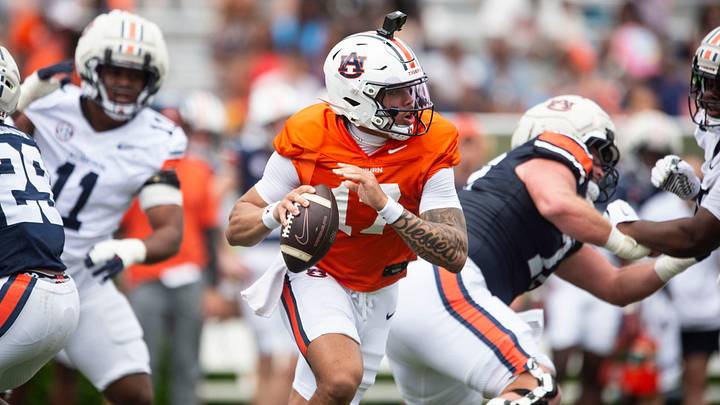
This roster construction reflects a clearer vision from **Hugh Freeze and his staff. Rather than flipping the roster year after year, Auburn is layering experience on top of talent. It’s a subtle shift, but a powerful one. Programs that win consistently in the SEC don’t rebuild annually — they reload with purpose.
The 2026 schedule will test every ounce of Auburn’s progress. Road games against conference heavyweights and high-pressure rivalry matchups will expose flaws quickly. But for the first time in a long time, Auburn looks equipped to withstand those moments instead of unraveling under them. Close losses that once felt inevitable now feel like potential wins.
Ultimately, the 2026 Auburn roster represents more than returning players or recruiting wins. It represents belief — belief that the Tigers no longer need a miracle to compete, only execution. The pieces are finally in place. The margin for error is shrinking. And the expectations, quietly but unmistakably, are rising again on the Plains.
Auburn football isn’t back yet. But for the first time in years, it’s clearly on its way.
Leave a Reply